
#Elections2026: Q&A with Ekurhuleni mayoral candidate Jennifer Glover (FFP)
The views expressed in these questionnaires are those of the respective candidates and do not represent the views of Caxton Local Media or any of its publications.

Caxton Local Media invited Ekurhuleni mayoral candidates, as confirmed at the time of publication, to participate in a question-and-answer interview, giving voters a chance to learn more about their plans, priorities, and hopes for the city ahead of the Local Government Elections on November 4. The views expressed in these questionnaires are those of the respective candidates and do not represent the views of Caxton Local Media or any of its publications. The answers are intended solely to provide voters with information about the candidates contesting the election and to help them make informed choices at the polls.
Freedom Front Plus mayoral candidate Jennifer Glover commented as follows:
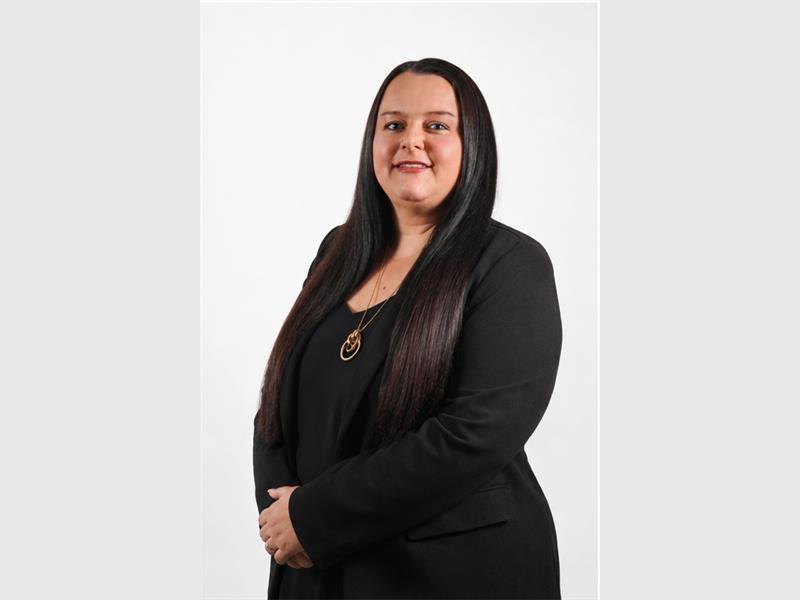
Q: Ekurhuleni is a major industrial and economic hub. What is your strategy for protecting existing jobs and attracting new investment?
A: “Ekurhuleni’s first economic task is to help existing businesses stay, operate and expand. The FF Plus will make the municipality a more reliable partner, keep essential services working, deal with business-related service problems quickly, and make planning, rezoning and trading approvals easier to navigate.
“I would establish a business retention and investment process with clear responsibility for following up on business concerns. We should work with manufacturers, logistics firms, small businesses and training institutions around OR Tambo International Airport and the R21 industrial corridor and connect skills programmes to the jobs employers actually need.
“A municipality cannot promise every job directly. It can create conditions for businesses to invest and to hire. This includes reliable infrastructure, fair and predictable charges, a competent administration and less unnecessary red tape.”
Q: The metro has faced persistent challenges around electricity, water infrastructure, roads and ageing municipal assets. Which infrastructure problem will you tackle first, and why?
A: “I would start with the water network. Find and repair leaks, stabilise supply and pressure, and fix the pumps and pipes that are putting the greatest number of households and businesses at risk.
“Residents in our local feedback have repeatedly raised water interruptions and leaks as well as sewer failures from Brakpan and Springs inputs. The first 100 days should produce a public map of the worst water loss and outage areas, a funded repair schedule, and named officials responsible for each priority job.
“We will check contractor quality and publish progress. The FF Plus believes that we must maintain what we already have before announcing new projects. Electricity and wastewater failures will also need urgent attention, but water is where I would begin.”
ALSO READ: Ekurhuleni has no mayor
Q: Ekurhuleni has a large number of informal settlements. What is your plan to improve basic services while addressing longer-term housing needs?
A: “People living in informal settlements need basic services now, alongside a credible route to secure housing. We would begin by mapping each settlement with residents to establish who lives there, what services are missing, which land is involved, and where fire, flood or other safety risks exist.
“The immediate work is reliable water access, safe sanitation, refuse removal, drainage, lighting and emergency access. Where a settlement can be upgraded safely, we should plan phased on-site improvements and work towards secure tenure. Where serious risks cannot be reduced, any relocation must be properly planned, lawful and discussed with the affected community.
“Housing needs co-operation between the municipality, the province and national government. I will publish responsibilities and milestones so residents can see what is planned, funded and actually progressing. We must be honest about waiting lists and never promise a house by a date we cannot control.
“The communities must also be educated so that they understand what the metro can achieve within its own framework and scope and where the provincial and national government responsibilities fit in. The scale is significant. The government reports that 19.2% of Ekurhuleni households lived in informal dwellings in the 2023 General Household Survey.
“National human settlements policy supports access to basic services and on-site upgrading where suitable, with relocation for settlements in disaster-prone areas.”
Q: What is your plan to improve the metro’s financial position and ensure that municipal spending translates into visible service delivery?
A: “We need an honest financial baseline, then a budget that residents can follow from allocation to result. In the first 100 days, I would publish a review of the metro’s finances, major contracts, outstanding obligations, infrastructure maintenance backlog and funded projects.
“Specific evidence of fraud or irregularity must go through proper investigation and consequence management processes. We must improve accurate billing and meter reading, reduce electricity losses, collect from people and businesses that can afford to pay, and keep indigent support working for households that cannot.
“We should cut waste and unnecessary overhead through a proper review, while retaining the engineers, electricians and tradespeople needed to deliver services.
“For each major project, residents should be able to see its budget, contractor, deadline, amount spent and progress. If money has been spent but the promised work is not visible, the responsible department must explain why.”
Q: Ekurhuleni will have a large number of candidates contesting ward seats in the 2026 elections. What will you expect your ward councillors to deliver for residents, and how will you hold them accountable for service delivery, community engagement and responding to local problems?
A: “A ward councillor must be accessible, know the problems in the ward and keep residents informed. I would expect every FF Plus councillor to hold a regular open ward meeting, visit problem sites, raise residents’ priorities in the budget and IDP process, and work with community organisations, businesses and neighbourhood structures.
“It is important to have an inclusive and collective approach to addressing the challenges we face in Ekurhuleni. Every reported problem should be logged with a reference number, a responsible department and a next step.
“My proposed standard is acknowledgement within two working days and a status update within seven days, even when the municipality has not yet fixed the problem.
“Unresolved cases must be escalated and followed up, not quietly dropped. We will review councillors against attendance, community engagement, follow-up and clear reporting. Councillors cannot personally repair every pipe or pothole, but they can make sure the administration is answerable for the work and that residents know what is happening.”
Q: If we interview you again at the end of the 2026–2031 term, what specific measurable result should we be able to hold you accountable for?
A: “If you interview me again in 2031, hold me to one clear result: Ekurhuleni must reduce non-revenue water to 25% or less. The city reported 28.94% in 2025 and has stated that it is working towards 25%. I would publish progress every quarter, with a ward-level account of leaks, repairs and interruptions, and report the final figure against the city’s water balance measure.
“Residents should be able to see whether we are losing less water and using public money more effectively. The same would of course apply to electricity outages and various other municipal service delivery issues, each dealt with in its own specific solution-driven manner.”
ALSO READ: ANC takes Ekurhuleni mayoral office