Hand-me-downs deal a blow to textile industry
"America and the rest pf Europe is dumping all its fashion waste."
FOR African producers of textiles and clothing, second-hand clothes have been the death-knell of what has often been decades, and in some countries like Ghana, centuries-old, textile industries. Designers and fashion industry experts at the African Fashion Exchange held at the ICC last week, argued that a new policy governing issues of secondhand trading needed to be formulated to protect consumers, the environment and textile manufactures.
In almost every market in Durban and across the country, sellers of secondhand garments have established lucrative businesses. By law, used and second-hand goods can only be imported on the basis of an import permit issued by the International Trade Administration Commission. The commissioner of South African Revenue Service (Sars), is authorized to deal with imported donated second-hand clothing, provided that the weight of the clothing is less than 2000kg per consignment and is donated to a registered nonprofit organisation under the Department of Welfare and Social Development. However, these clothes often carrying well-known labels and meant for indigent people, find their way into the marketplace instead of charities.
ALSO READ: Labour union supports African Fashion Exchange
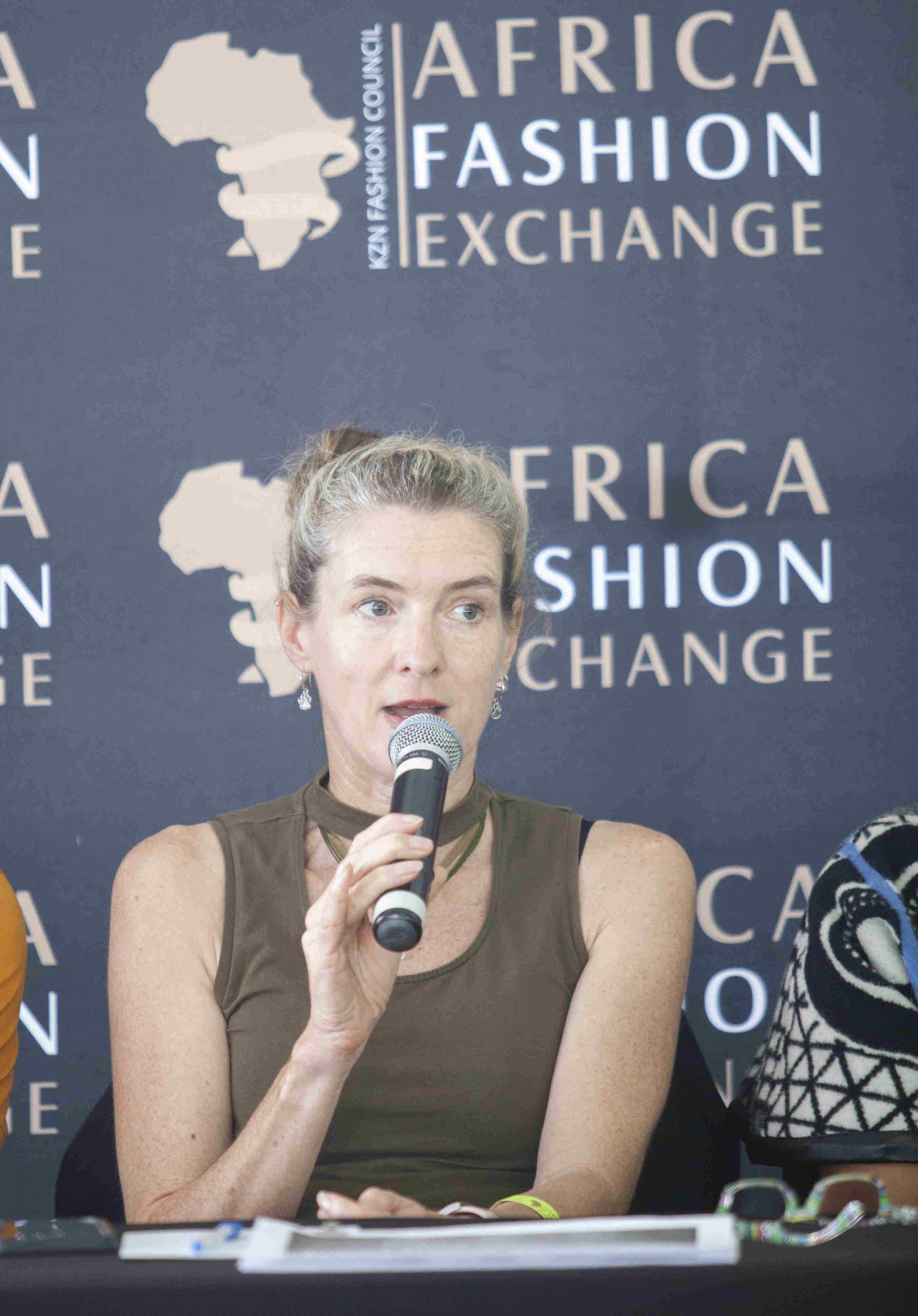
In a presentation at the event, textile technologist Heidi Cox said buying cheap wasn’t necessarily cheap for locals involved in the manufacturing process and also affected the local textile industry. “There are many textiles being made in the country, however, as far as quality fabric in retail outlets is concerned, there seems to be a drop on the durability in stores over the past 15 years. People are not buying local because your base fabrics are not as durable as they used to be. How people deal with textile waste is another concern. Even SA stats is not in a position to give us numbers on textile waste.”
Echoing Cox’s sentiment, Shaldon Kopman of Naked Ape said instead of buying cheap, people should instead buy quality. “America and the rest of Europe dumps its fashion waste all over Africa and this affects ecology systems because some of these clothes release highly toxic amounts of nitrous oxide. Our textile industry is suffering because of this.”
However, Santa Anzo of Arapapa said before opposing secondhand clothing in Africa, people needed to support local textile companies. “We allowed ourselves in our countries to run the textile industries to the ground. Once we consolidate our structures, then we can ban secondhand clothing coming from America and the rest of the world.”
Do you want to receive news alerts via WhatsApp? Send us a WhatsApp message (not an sms) with your name and surname to 060 532 5535.
You can also join the conversation on Facebook, Twitter and Instagram.
PLEASE NOTE: If you have signed up for our news alerts you need to save the Berea Mail WhatsApp number as a contact to your phone, otherwise you will not receive our alerts