Silent discos are making a loud impact
In this room full of people dancing in silence, you will discover mindfulness and inclusion. These quiet parties are opening doors for individuals with sensitivities.
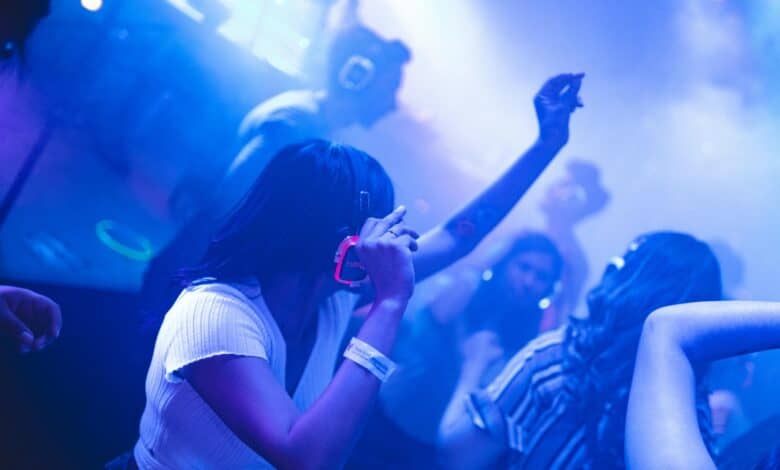
IT starts like any other night out: a space begins to fill with dancers, anticipation hums in the air, and soon, music surges through the crowd. But at a silent disco, that music isn’t blaring from loudspeakers. Instead, it pulses quietly through wireless headphones. To an outsider, it looks like a group of people dancing in eerie silence. But for those wearing the headphones, it’s a world of vibrant rhythm and a haven of inclusion.
Silent discos have gained popularity for their novelty, but their roots trace back to music festivals in the early 2000s, particularly in the Netherlands and the UK, where environmental noise restrictions pushed organisers to find creative solutions. The idea was simple: provide partygoers with wireless headphones tuned to live DJ sets, allowing multiple music streams and adjustable volume all while keeping the venue surprisingly quiet. Most systems offer multiple channels, so users can choose their preferred genre or DJ. They can also control volume or even mute the sound entirely if they need a break.
Now, these once-niche events are becoming much more than an eco-friendly party trick. They’re evolving into tools for social inclusion, especially for those with sensory sensitivities, such as individuals on the autism spectrum.
A dance floor without barriers
For Nadia Bhayat, director of Action in Autism in Durban North, silent discos represent a meaningful step toward creating more inclusive social spaces.
“The goal is for all to participate and be a part of an inclusive society. Inclusive discos are one aspect of how this can happen. They not only benefit autistics but anyone who loves dancing but finds the noise level overwhelming.”
Traditional parties or music venues can often be over-stimulating for neurodiverse individuals. Loud music, bright lights, and unpredictable environments can trigger sensory overload, making such spaces inaccessible. Silent discos challenge that norm by flipping the script.
This element of choice is especially empowering for autistic attendees, who often benefit from structured environments and the ability to self-regulate sensory input. By putting control literally in the hands of the participant, silent discos offer comfort, freedom, and fun.

Events designed with accessibility in mind often go a step further — ditching strobe lights for calming ambient lighting, providing quiet zones to rest and decompress, and ensuring staff are trained in neurodiversity awareness.
Beyond the technical benefits, the emotional and social impact is profound. A teenager who recently attended a silent disco described their experience in a note shared with organisers: “I was nervous at first, but the quiet vibe helped me relax. With my headphones on, I didn’t feel overwhelmed by noise. It was easy to start conversations because we could just point to what we were listening to. We danced, laughed, and no one judged how I moved or when I took breaks. By the end, I had made real connections without feeling like I had to hide who I am.”
Families of autistic attendees often echo similar sentiments, praising the events for creating welcoming environments where their loved ones can participate fully, sometimes for the first time.
As awareness of neurodiversity grows, so too does the demand for spaces that are not just tolerant, but truly inclusive. Silent discos, once viewed as quirky novelties, are now becoming important models of how thoughtful design can bridge social gaps.
In Bhayat’s words: “When we design experiences for the margins, everyone benefits. Silent discos are a celebration of that idea – quiet, but powerful.”
For more from Berea Mail, follow us on Facebook, X and Instagram. You can also check out our videos on our YouTube channel or follow us on TikTok.
Click to subscribe to our newsletter – here