Exploring the treasures of Durban History Museum
The Durban History Museum, nestled in the heart of eThekwini Municipality, is a treasure trove of artefacts that narrate the rich and diverse history of Durban and its surrounding regions. This museum, part of the Durban Local History Museums network, offers a captivating glimpse into the past through its extensive and varied collections. It is a must-visit destination for anyone interested in exploring the rich tapestry of Durban's history. Its diverse collections provide a comprehensive and engaging narrative of the city's past, making it a valuable resource for both locals and visitors alike.
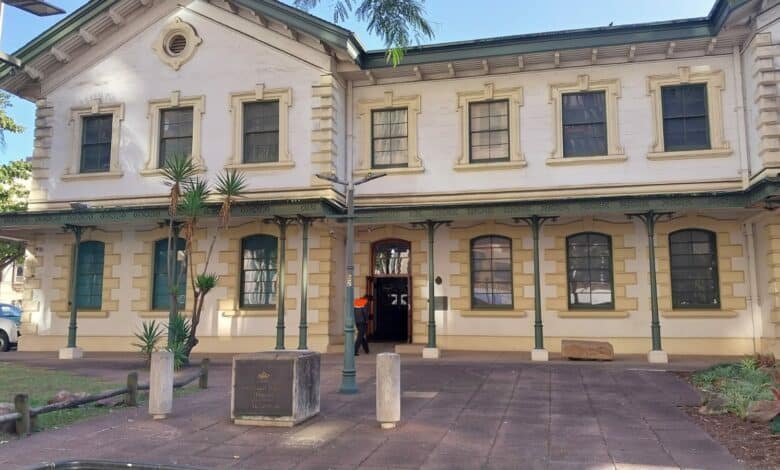
ONE of eThekwini’s oldest buildings is now a treasure house that holds the history detailing the origins of Durban and her people.
Situated less than a minute away from Durban City Hall and the Natural Science Museum, the Durban History Museum (Old Court House Museum) boasts several wonders and documents that detail the birth of eThekwini and its rich and colourful heritage. The free to enter building, which was designed by architect Stanley Hudson and was erected in 1911, is listed as being among the oldest public buildings in the CBD.
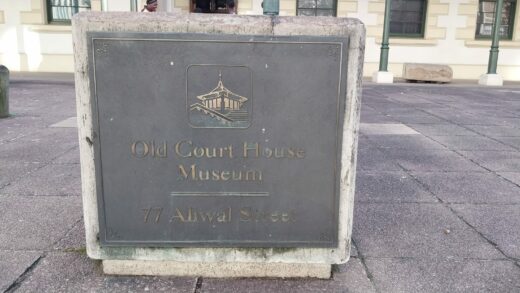
Affectionately known as the Old Court House Museum, the building’s history itself tells a tale of how it was Durban’s first and only courthouse. It served as a canteen and recruitment centre during the two World Wars and then later a library, before it was declared a national monument in 1980.
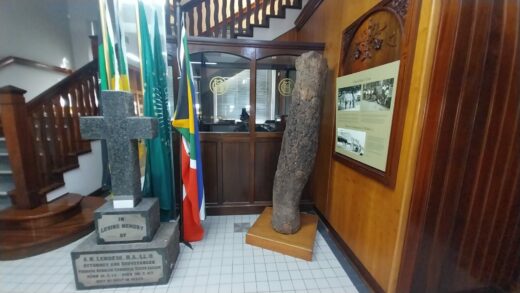
It now houses the remaining trunk of the ‘Dead Man’s Tree’ which was once used to hang up notices informing people of significant deaths and burials, earning itself the unique name. The tree trunk greets you at the door as you walk towards the display of old tiny models of different modes of transport that lead to the Court Room exhibit.
In there you will find Zulu traditional clothing and beadwork that highlights Durban’s link to the history of KwaZulu-Natal. In a corner sits the majestic and colourful headgear that is often worn by the rickshaw operators along the Durban beachfront.
As you walk to the other side of the museum, nestled to the left is The Daphne Strut Costume Room which documents Indian heritage. From brightly coloured saris to prayer goods, it honours its links to the world’s second-largest Indian community.
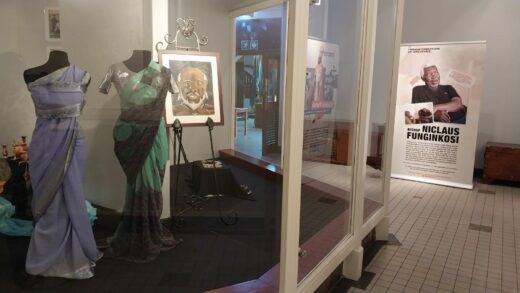
One of the most striking features of the museum is its impressive collection of photographs that cover some of the walls of the second floor. These images capture the essence of Durban’s evolution over the years, showcasing everything from early colonial settlements to modern urban landscapes. The photographs are not just visual records; they are windows into the lives of the people who have called Durban home.
In addition to photographs, the museum boasts an array of paintings and posters. These artistic pieces provide a colourful and vivid portrayal of the region’s cultural and historical milestones. The paintings are a testament to the artistic talent that has flourished in Durban, depicting scenes of everyday life, significant events, and the natural beauty of the area.
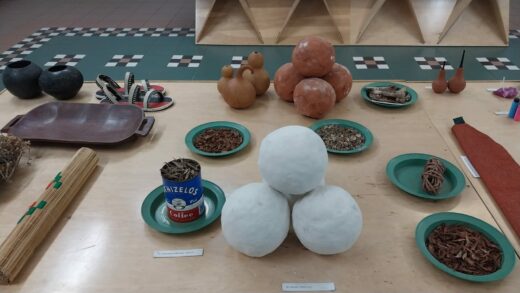
The museum also houses a fascinating collection of workshop and agricultural implements. These tools and equipment highlight the ingenuity and craftsmanship of the people who have lived and worked in Durban. They offer a glimpse into the daily lives and labour practices of the past, emphasising the region’s agricultural and industrial heritage.
Archaeological items round out the museum’s collection, offering a deeper historical perspective. These artefacts, unearthed from various sites around Durban, include pottery, tools, and other remnants of ancient civilisations that once thrived in the area.
As we come to the end of International Museum Week, May 18 to 25, you can visit this historical site from Monday to Friday, 08:30 to 16:00, and on Saturdays from 08:30 to 12:30. Admission to the museum is free.
For more from Berea Mail, follow us on Facebook, X and Instagram. You can also check out our videos on our YouTube channel or follow us on TikTok.
Click to subscribe to our newsletter – here