
The Old House Museum: A house where time stood still
The Old House Museum, which holds the history of the Robinson family, gives a glimpse of how the settlers who came to Durban from Europe lived and survived in the old Natal.
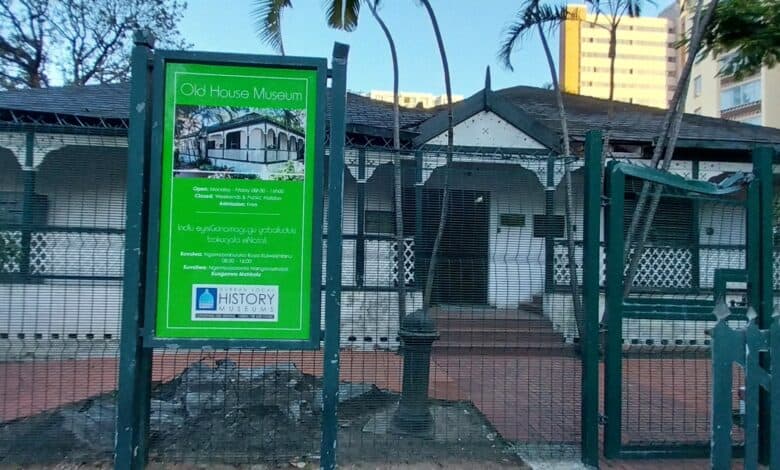
WHETHER you are a history enthusiast or simply looking for a peaceful retreat, the Old House Museum in eThekwini offers a captivating journey through time, showcasing the rich heritage and stories of Durban’s past, and the life of a ‘middle-class family’ from yesteryears.
Though deceiving from the outside, the Old House Museum at 31 Diakonia Street stands as a testament to the city’s rich heritage and history. The site of the Old House Museum was generously donated to the city by George Churton Collins and was officially opened as a museum on June 12, 1954.
Once inside, the Old House Museum offers visitors a unique glimpse of the lifestyle of the upper middle-class settlers of the past. It features a recreation of the home of one of Durban’s most prominent families, the Robinsons. Sir John Robinson, Natal’s first Prime Minister, also owned the Natal Mercury. His son, George was first editor of the daily newspaper which is now over 150 years old.
Also Read: Exploring the treasures of Durban History Museum
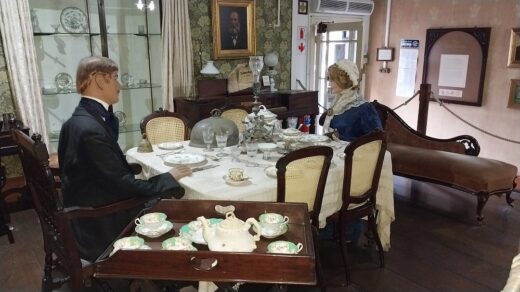
The house, with its antique furniture set in park-like gardens, provides a serene escape from the hustle and bustle of city life. The museum’s displays include antique furniture, clocks, and china, with life-size mannequins of the Robinson family dressed in the fashion of the day.
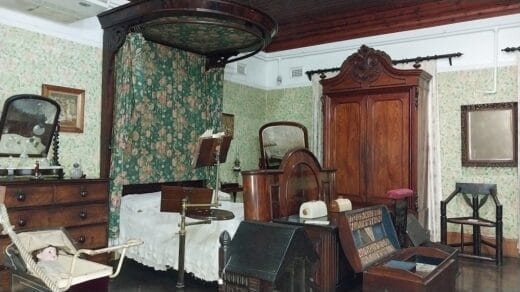
That is the site that greets one at the door as you walk in towards reception, the Robinson family, sat a dinner table and in front of them is 19th century dinnerware, some from the Keller family who had travelled to Natal from England in the late 1800s. Next to the dining room display is the bedroom display, which shows a bunch of items that were part of their night-time routine.
As you go into the main room, one particularly noteworthy exhibit is an old clock that once belonged to a passenger on the ill-fated sailing ship Minerva. This vessel, which was bringing British emigrants to the Colony of Natal, was wrecked on a reef off Durban in July 1850 after being set adrift during a storm. Amazingly, the clock survived the wreck and was found undamaged, still ticking, after washing ashore in the barrel it had been packed in for the journey.
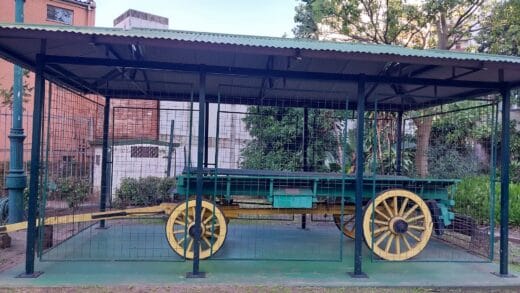
The inside of the Old House Museum also holds possessions of kitchen items such as a fridge, a portable stove, a waffle iron, all from the 1800s. The museum also features original oil paintings with views of 19-century Durban stretching to the harbour and a sundial. The park-like grounds of the museum include a post-cart used to smuggle Natal’s former Prime Minister E Escombe from Dundee to Greytown during the South African War, and an ox wagon from the Normandien Farm in the Newcastle area.
The Old House Museum is open Monday to Friday from 08:30 to 16:00 and is closed on Saturdays, Sundays, and public holidays. Admission to the museum is free, making it an accessible and enriching experience for all visitors.
For more from Berea Mail, follow us on Facebook, X and Instagram. You can also check out our videos on our YouTube channel or follow us on TikTok.
Click to subscribe to our newsletter – here