
Surge of QR codes reshapes human culture
Since its invention 29 years ago, QR codes have made major inroads into daily human interaction, providing a faster and more efficient method of information sharing, payments, and marketing.
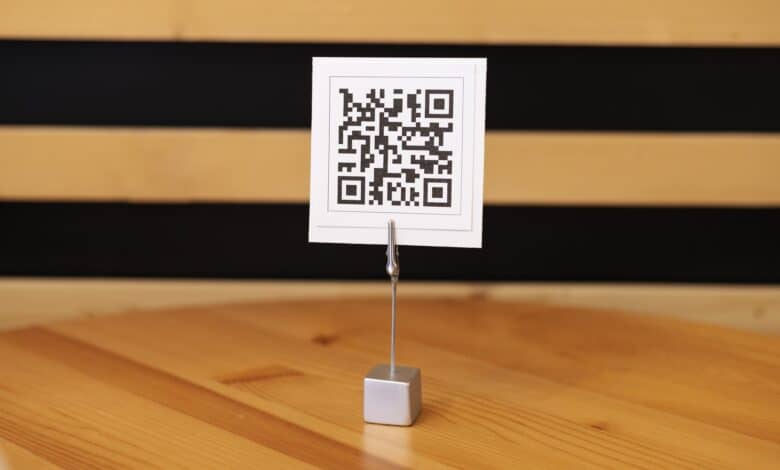
ALTHOUGH South Africa did not catch the Quick Response (QR) code bug instantly, the atmosphere has since taken a drastic turn, with almost every sector opting to adopt this form of contact.
QR codes originated in Japan in 1994 with engineer Masahiro Hara and a team at Denso Wave Incorporated to improve inventory management in the automotive industry. It was during Covid-19 in South Africa when the use of QR Code payments became a big driver, as consumers adopted contactless behaviour.
Also read: WATCH: Conservancy places QR codes on trees
Thulani Ngwenya, founder of FinTech company AltarPOS, shared his observation.
“For decades, [bereaved] communities have relied on cash contributions passed around at services or collected at home gatherings. But increasingly, envelopes are being replaced with QR codes and contactless giving.
“People want to give, but they don’t always have cash on them – especially younger generations. By allowing anyone to contribute digitally with just a scan, we’re making sure no one is excluded from showing support. The platform enables churches, families, and community leaders to create digital fundraisers within minutes, using nothing more than a mobile device,” Ngwenya said.

Today, millions of people are hooked. The black and white multi-grid barcode has been spotted in retail outlets, nature conservation, taxis, funerals, charities, events, and marketing campaigns, to name a few. Almost anyone with a smartphone is in on it.
Also read: AI-powered spoofing scams on the rise, bank cautions
Informal traders are increasingly shifting to the QR code option as a form of payment, too.
Ngwenya added, “In a country where informal work sustains millions, the implications are wide-reaching. From vetkoek sellers in Soweto to students raising money for textbooks, the technology is being used in ways few would have predicted. No need for a bank card machine. No app to download. No long queues at remittance outlets. Just a phone, a purpose, and a code.
“What makes this innovation quietly radical is its accessibility. There’s no waiting period and no background checks. Anyone can sign up, upload a photo, add a message, and start collecting funds within minutes. It works on entry-level smartphones and low data speeds, bridging a gap that banks and tech giants have long struggled to cross,” he shared.
Judging from the upward-bound uptake, the future of QR codes is set to be certain, and the incline is moving at high speed.
For more from Berea Mail, follow us on Facebook, X and Instagram. You can also check out our videos on our YouTube channel or follow us on TikTok.
Click to subscribe to our newsletter – here