
SA workers at high risk as TB crisis deepens in workplaces
Health experts say SA’s TB epidemic is being quietly sustained inside workplaces, with infections spreading from high-risk jobs into families and communities.
STUDIES in South Africa have indicated that certain occupational groups face a significantly higher risk of tuberculosis (TB) due to their work environments which has raised alarm with researchers from the National Institute for Occupational Health (NIOH).
Healthcare workers and mine workers, in particular, were flagged as having considerably higher TB incidence rates than the general population. In 2024, the World Health Organisation (WHO) estimated that 249 000 people in SA developed TB, and some 54 455 people died from it, highlighting the urgent need for stronger prevention and control efforts, especially at workplaces.
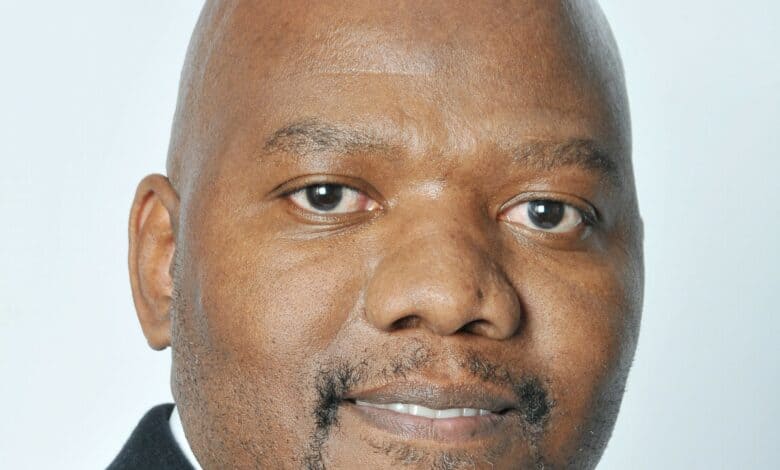
Researchers from the NIOH contributed to the global research, identifying healthcare workers and individuals exposed to silica dust as groups at particularly high risk of developing TB. Professor Muzimkhulu Zungu, Head of the HIV TB Unit at the NIOH, said that mine workers exposed to silica dust face an additional risk of silicosis, a well-established risk factor for TB.
“Informal workers represent a largely overlooked but highly vulnerable population in the fight against tuberculosis,” said Zungu. He said that many people working in the informal economy operate in crowded environments, with limited occupational health protection and little access to employer-supported screening or sick leave.
Also Read: Each of us has a role to play in ending TB, says Durban-based non-profit
“These conditions increase the risk of delayed diagnosis, continued transmission, and poor treatment outcomes,” says Professor Zungu. “Beyond its health impact, TB also has serious economic consequences. Many households affected by TB experience loss of income and high costs related to care, which can push families deeper into poverty. TB is therefore not only a health issue, but also a social and economic challenge.”
Last month, SA joined the global community to mark World TB Day on March 24, under the global theme “Yes! We can end TB!” The NIOH and the University of Pretoria’s Health Systems and Public Health, called on government, employers, organised labour, development partners and civil society to strengthen collaboration around responsive occupational surveillance systems for occupational diseases and injuries, including occupational TB.
“These realities highlight the need to strengthen occupational health systems, expand workplace TB screening, improve infection prevention and control measures, and ensure rapid access to treatment,” said Zungu as another study reported TB rates of approximately 1496 per 100 000 among healthcare workers, compared with 719 per 100 000 in nearby communities.
For more from Berea Mail, follow us on Facebook, X and Instagram. You can also check out our videos on our YouTube channel or follow us on TikTok.
Click to subscribe to our newsletter – here