
International exhibition gives a glimpse into the horror of Auschwitz
The exhibition will run at the Durban Holocaust and Genocide Centre from April 24 to August 20.
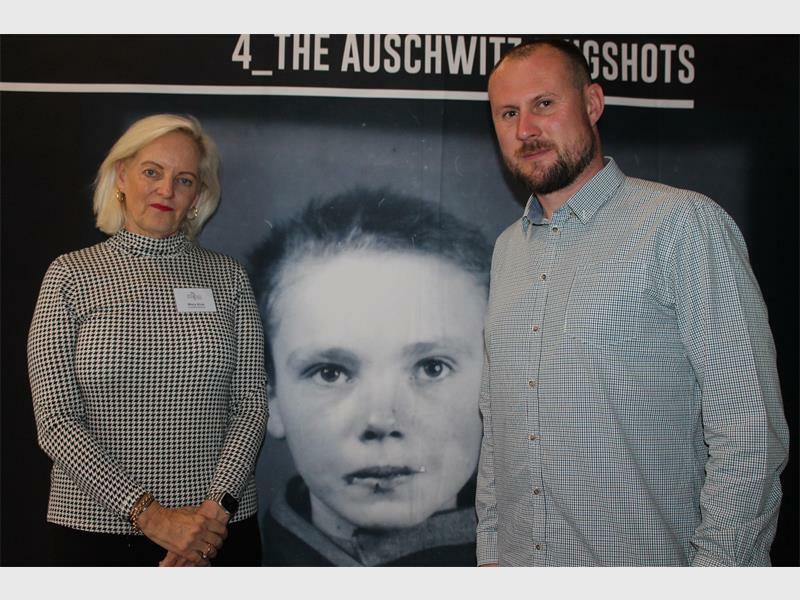
THE ‘Seeing Auschwitz’ exhibition opened in Durban on Monday, April 24, at the Durban Holocaust and Genocide Centre (DHGC) on 44 KE Masinga Road. The exhibition, created by Musealia and the Auschwitz-Birkenau State Museum, in collaboration with the United Nations (UN) and UNESCO, and presented in Durban by the DHGC, invites visitors to reflect on the true dimension of the horrors committed by Nazi Germany.
According to the Centre’s director Mary Kluk, “The main idea of this exhibition is to help people understand what can happen if racism and prejudice is left to go unchecked. Auschwitz is the end result of disgusting prejudice and a hideous racist ideology. We want to show members of the public and especially the youth, that we all have the choice to treat one another with respect and dignity.”
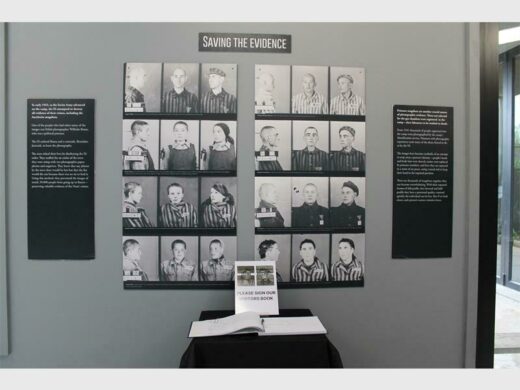
The exhibition uses analysis of the scarce photographic evidence of the camp that has survived to the present day, as well as the process of the construction of the collective memory of Auschwitz and other contemporary genocides.
ALSO READ: What Freedom Day means to young people
“I encourage Durban residents to come and learn about the history of Auschwitz. ‘Seeing Auschwitz’ displays what little evidence we have left. Most of the pictures from Auschwitz were taken by the perpetrators, but there were a brave few victims who risked their lives to capture the horrors of Auschwitz. We also feature some drawings from survivors who remember their time at the concentration camp and have sketched their memories, from their perspective. I encourage the Durban community to visit this internationally acclaimed exhibition,” said Kluk.
The ‘Seeing Auschwitz’ exhibition has been conceived and created by the Spanish company Musealia, together with the Auschwitz-Birkenau State Museum in Poland. It was originally developed for the United Nations’ observance of the International Day of Commemoration in memory of the victims of the Holocaust, and it is exhibited at UN Headquarters, New York, UNESCO Headquarters, Paris and United Nations Information Offices worldwide.
ALSO READ: South Africa marks 29 years of democracy
According to Alana Baranov, Social Justice Liaison at the Durban Holocaust and Genocide Centre: “The history of Auschwitz and the Holocaust teaches us that words often end in action, and that hate directed at one group does not end there. Genocides begin with dehumanising language and, as we saw during the Holocaust and even on our own continent in Rwanda in 1994, in a society where people are dehumanised, horrific atrocities can unfold.”
For more information about how to view the exhibition, visit https://dbnholocaust.co.za. Centre opening times are from Sundays to Thursdays, from 09:00 to 16:00, and Fridays from 09:00 to 14:00. (Guided tours can be arranged by appointment.)
The exhibition will run at the Durban Holocaust and Genocide Centre from April 24 to August 20.
For more from Berea Mail, follow us on Facebook, Twitter and Instagram. You can also check out our videos on our YouTube channel or follow us on TikTok.