
#SayNoToAbuse: Courts are dealing with protection orders during lockdown
According to the Disaster Management Act, protection orders will be dealt with by the courts during the period of the lockdown
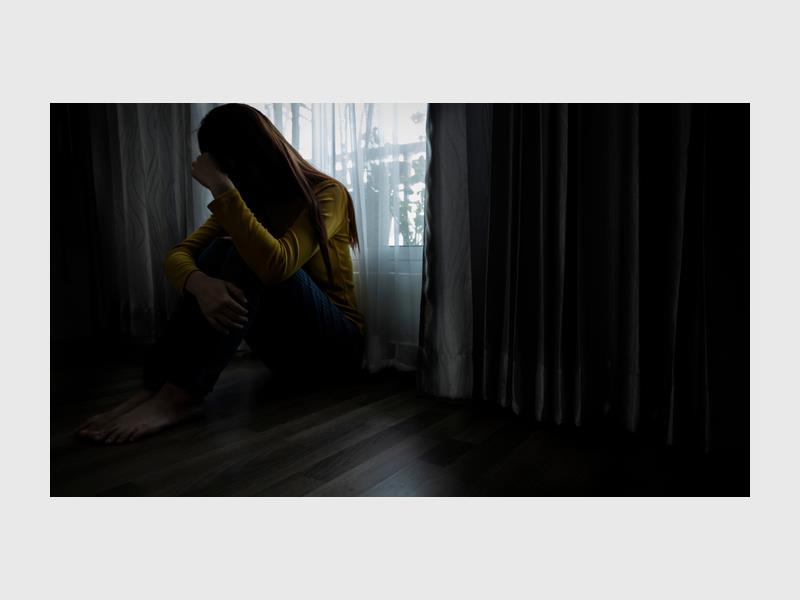
For some, self-isolation and social distancing does not amount to days spent in a happy environment with their families and loved ones.
It may leave some with no other choice but to be behind closed doors with their abusers. And so they are locked in feeling vulnerable and unsafe, over and above the concerns faced surrounding the current world-wide pandemic.
According to section 8, subsection 1(c) of the directives which were released in terms of Regulation 10 of the Disaster Management Act, 2002 and published in the Government Gazette on March 31, it was stated that protection orders will be dealt with by the courts during the period of the lockdown.
ALSO READ:
Man back in court for violating nine-year-old protection order
More specifically, applications for interim domestic violence protection orders and applications for interim protection against harassment, as stipulated in the directive. According to the Domestic Violence Act, 16 of 1998 (“the Act”) a person is classified to be in a situation of domestic violence, and qualifies to obtain a protection order, in the following instances:
* Physical abuse.
* Sexual abuse.
* Emotional, verbal and psychological abuse.
* Economic abuse.
* Intimidation.
* Harassment.
* Stalking.
* Damage to property.
* Entry into the complainant’s residence without consent, where the parties do not share the same residence.
* Any other controlling abuse behaviour towards a complainant, where such conduct harms, or may cause imminent harm to, the safety, health or well-being of the complainant.
Furthermore, in accordance with the Act, a person qualifies to obtain a protection order for harassment in a situation where another person is “engaging in a pattern of conduct that induces the fear of harm to a complainant”, including:
* Repeatedly watching, or loitering outside of or near the building or place where the complainant resides, works, carries on business, studies or happens to be.
* Repeatedly making telephone calls or inducing another person to make telephone calls to the complainant, whether or not conversation ensues.
* Repeatedly sending, delivering, or causing the delivery of letters, telegrams, packages, facsimiles, electronic mail or other objects to the complainant.
For emergency situations, contact these hotlines:
* The South African Police Services and general emergencies: 10111.
* Gender-based violence: 0800 428 428.
* Women abuse helpline: 0800 150 150.
* Childline: 0800 055 555
(Article: Aimee Foce, director, Malherbe, Rigg & Ranwell – for help with applications for protection orders, visit www.mrr.co.za).
ALSO READ:
Protection order lands Reiger Park man back in court for domestic violence