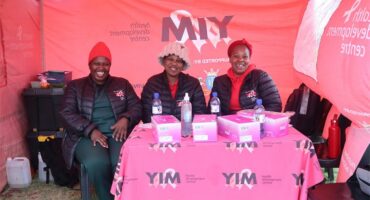
Ngwenya champions mental health awareness and family healing
This World Mental Health Day, Melusi Ngwenya reminds us that emotional wounds are invisible but real and that with empathy, open conversation, and courage, every person has the power to heal and rebuild.
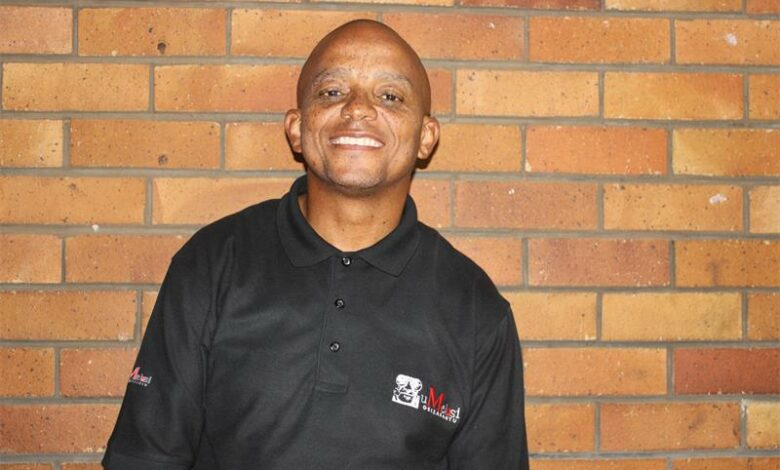
As South Africa marked World Mental Health Day, the spotlight turned to the growing need for emotional support and family healing across communities.
For Melusi Ngwenya, a mediator, relationship coach and founder of Boksburg-based uMelusi Osizabantu, mental wellness is not just a once-a-year conversation, it’s his life’s calling.
Ngwenya has spent over 15 years helping individuals, couples and families rebuild their emotional foundations through counselling, mediation and what he calls “mind transformation”.
His work focuses on addressing the emotional roots of conflict, depression and family breakdowns.
“When people come for mediation, it’s rarely just about the disagreement. Most of the time there’s unhealed trauma or emotional exhaustion behind the conflict.
“Mental health is not only about hospitals and medication, it’s about the condition of our minds and how we manage stress, relationships and disappointment.”
Through uMelusi Osizabantu, meaning “the shepherd who helps people”, Ngwenya and his team run several initiatives designed to strengthen families and promote mental wellness.
“These include Mind Transformation Talks, which focus on self-awareness and emotional intelligence, the Recharge Plug Programme for youth mentorship, and the Family Vibes Day, which brings relatives together for dialogue, games, and healing conversations.”
Also Read: Reiger Park event shines a light on men’s mental health
According to him, the organisation partners with the Department of Health, SAPS, Correctional Services, and Social Development to address community challenges such as substance abuse, gender-based violence, and depression. Ngwenya says that while more people are beginning to talk about mental health, stigma and fear still prevent many from seeking help.
“We live in a society where people think asking for help means you’re weak, especially if you are a man. But the truth is, it takes courage to say ‘I’m not okay.’ That’s where healing begins.
“Recognising the signs of mental distress early can make a big difference. Persistent sadness, mood swings, or anxiety that lasts more than two weeks may signal deeper emotional issues.
“Other warning signs include withdrawing from loved ones, losing interest in daily activities, or struggling to sleep and concentrate. Physical symptoms such as fatigue, headaches, or body pain can also be linked to mental strain.”
Ngwenya advised that when your emotions start affecting your work, studies, or relationships, it’s time to reach out.
“No one should carry that burden alone.”
Support is available through counsellors, psychologists, and community-based initiatives like uMelusi Osizabantu. For immediate assistance, people can contact the South African Depression and Anxiety Group (SADAG) at 0800 567 567 or send an SMS to 31393 for free counselling.
Ngwenya’s message this Mental Health Month is clear, healing begins with awareness, connection and courage.
“When one person heals, a family heals. And when families heal, communities become stronger. Mental health is everyone’s responsibility.”
Also Read: Prioritise your mental health