
Boksburg Kidz Clinic play rooms give children a voice and a safe space
Play becomes therapy at Boksburg Kidz Clinic, giving children the chance to process trauma, regain their voice, and reclaim their childhood.
Children who arrive at the Boksburg Kidz Clinic often carry injuries no one can see – the weight of sexual abuse, emotional harm, exposure to violence or traumatic incidents no child should ever witness.
For many, the clinic’s trauma rooms become the first truly safe space where their experiences can finally be voiced.
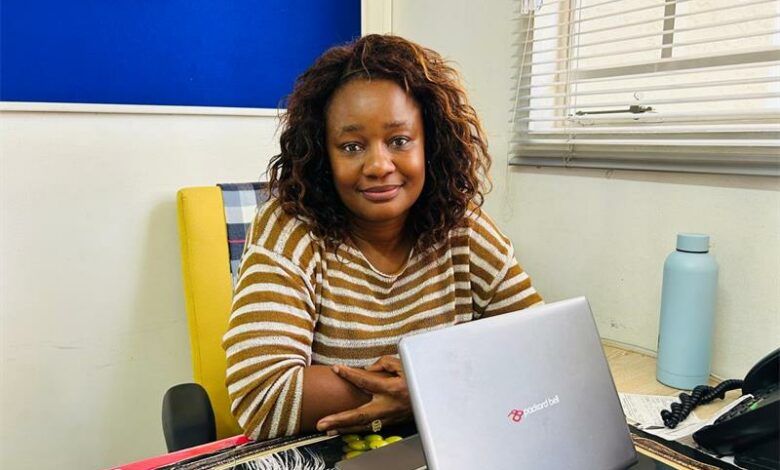
According to Nonhlanhla Dlamini, social worker supervisor at the clinic, the healing process begins the moment a child walks in.
“Children referred to us have experienced some form of trauma. Most cases involve sexual abuse or children witnessing violence. When a child has witnessed or experienced trauma, the law requires a competency assessment before they can testify in court, and that is part of our role.”
How the process begins
Dlamini said the clinic started with an intake session where social auxiliary workers open a file, gather background information, and determine what intervention the child needs.
From there, a child may be referred for a court-related competency assessment or for therapy.
She explained that competency assessments are conducted over three sessions.
“The focus is on determining whether the child is able to testify clearly and truthfully,” she said.
“We look at their cognitive ability – if they can understand and answer questions. We check their emotional state, how traumatised they are, and whether they can give a coherent account of the alleged incident. We also test if they can tell the difference between truth and lies. All of that goes into the report.”
Also Read: GBV is reshaping the minds of survivors, warns Boksburg counsellor
Inside the trauma rooms
Therapy typically follows assessments. While many children attend three sessions, some require long-term support depending on the severity of their trauma.
Dlamini said the clinic’s trauma rooms, commonly called playrooms, are central to therapeutic work with younger children.
“Young children express themselves through play. They act out what they’ve been exposed to. They will use dollhouses, cars, or drawings. It is not just play, it is how they communicate their environment.”
“Older children and teenagers, up to the age of 17, are able to speak more directly about their experiences.
Dlamini noted clear differences in how boys and girls process trauma.
“Both are vulnerable, but boys tend to externalise by acting out. They may draw or hit objects to release aggression. Girls are more open with their emotions,” she said.
Over the years, however, she has observed a shift: “I’m seeing boys becoming more willing to talk about their abuse. There is less shame than before.”
Working with traumatised children comes with its own emotional burden.
“Some cases affect us. That’s why supervision and debriefing are important. If we don’t separate our own pain from the child’s pain, we can carry their trauma with us. You have to recognise when something is affecting you.”
Call for a social change
While the clinic provides crucial therapy and support, Dlamini believes broader social change is needed to protect children from harm in the first place.
“Society needs to challenge the gender norms that feed violence – ideas like boys don’t cry, boys must protect girls, or that certain behaviour is acceptable because we live in a patriarchal system. These norms normalise violence,” she said.
She added that progress is measured both through formal tools and through changes in a child’s behaviour. She warned that inconsistent family involvement remains a major obstacle.
“We see real differences when children engage consistently. But some parents struggle to maintain that, and that’s a major challenge.”
Despite the difficulties, Dlamini said the clinic’s trauma rooms remain a refuge, a place where children can regain safety, identity, and voice, and where healing can finally begin.
Do you know someone who needs help? Contact Boksburg Kidz Clinic on 011 892 0404.
Also Read: National shutdown spotlights GBV crisis as Reiger Park adds its voice