‘Men Speaking Out’: Ramaphosa Dialogue Addresses GBV and Parenting [VIDEO]
Participants engaged in frank discussions about the social drivers of GBV in their neighbourhood, and explored possible solutions.
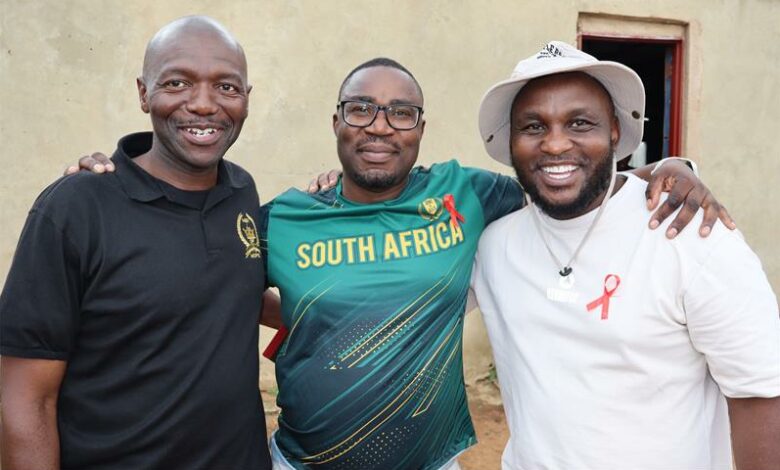
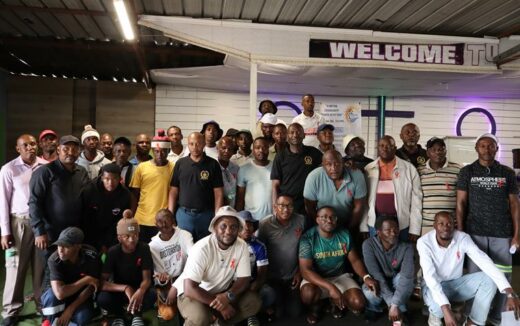
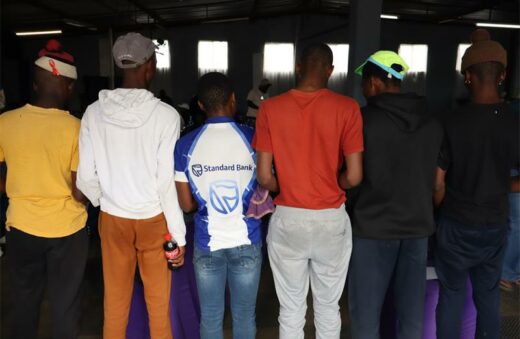
Dozens of men and boys from Ramaphosa gathered at Rock Church on Valentine’s Day for a Men’s Dialogue aimed at confronting gender-based violence (GBV), substance abuse, parenting challenges and other social ills affecting the community.
Hosted by local NPO Thusang Community Development under the theme ‘Men Speaking Out, the event brought together various stakeholders, including Family and Marriage Society of South Africa East Rand (FAMSA), pastors, members of the SAPS, the CPF and community leaders.
The initiative forms part of the organisation’s ongoing efforts to address the root causes of violence, including societal pressure on men to conform to rigid stereotypes of masculinity, as well as to encourage men and boys to become champions of positive change.
Addressing the drivers of GBV
Participants engaged in frank discussions about the social drivers of GBV in their neighbourhood and explored possible solutions.
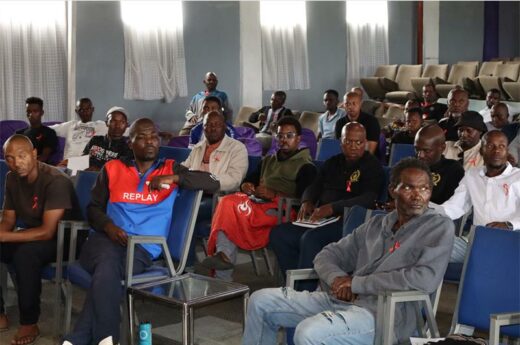
Among the contributing factors identified were substance abuse, moral decline in society, lack of respect within families, poor parenting – particularly in broken households, entrenched gender stereotypes, prejudice, and certain cultural and religious practices that may perpetuate inequality.
Economic hardship was also highlighted as a major contributor, with unemployment and financial strain often linked to domestic conflict, infidelity, sexual assault and exploitation.
Participants raised concerns about so-called “blessers” who sexually exploit young women while providing material support to them and, in some cases, their families.
‘Why do men beat women?’
Under the discussion topic ‘Why do men beat women or their partners?’ speakers reflected on attitudes within homes and communities.
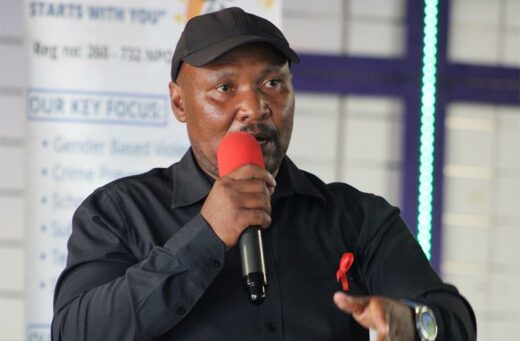
Happy Shabangu, a leader of Men of Hope, said a breakdown in mutual respect between partners is one of the challenges facing families.
“We have seen many couples who no longer respect one another the way our parents used to,” he said. “There are constant fights because both parties want to be the head of the household. When a man feels stripped of his position, instead of communicating, he may resort to physical force to reclaim it. We need to return to a place of mutual respect.”
Another speaker, Sechaba Motloung, spoke about the pressure placed on men to be sole providers.
“This expectation that a man must always provide can put men in very difficult situations sometimes, especially when they lose their jobs and struggle to find work,” he said. “Some end up making poor decisions because they feel inadequate.”
Despite differing views, speakers were united in condemning violence against women and children. Men were urged to express love, show appreciation and be emotionally present for their partners and children.
They were reminded that being a provider is not only about financial support, but also about care, guidance and involvement. Attendees were encouraged to seek help and speak openly about their struggles rather than suffering in silence.
Key takeaways
Participants described the session as empowering.
“Today has been a fruitful day. As men, we face many challenges and often don’t know where to turn because we were raised to believe that a man does not cry. But today we learned that men also have emotions and need safe spaces to talk,” he said.
He welcomed the presence of young boys at the event, saying it was important to groom future leaders. “It takes a community to raise a man,” he added.
CPF chairperson Emmanuel Rakuambo said the dialogue provided valuable insights and encouraged men to take responsibility as protectors and leaders within the community.
“If we do not step up, we will not have a brighter future for our children. We must teach one another patience and responsibility,” he said.
Community leader Sakhile Zwane echoed similar sentiments.
“Men do talk; they just need a listening ear,” he said. “This event created a platform for men to express real-life challenges and to work towards solutions. Involving young boys was especially powerful, as they are learning what responsible manhood looks like.”
Zwane added that hosting the event on Valentine’s Day carried symbolic significance.
“It was for men, about men, and by men – what a meaningful way to celebrate love by encouraging men to support and uplift one another,” he concluded.
Also Read: G20 women’s shutdown: St Dominic’s unites against GBV with symbolic purple ribbon initiative