Warning to homeowners as solar installation boom grows
Solar system registration deadlines are approaching and residents are encouraged to register now.
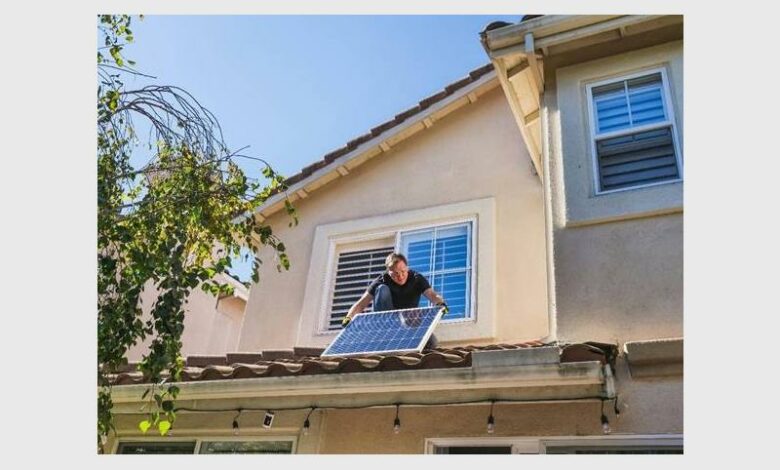
As more South Africans turn to solar power to reduce reliance on the country’s unstable electricity supply, property experts are warning homeowners to carefully consider the financial and legal responsibilities that come with installing solar systems.
According to Just Property CEO Paul Stevens, many homeowners are seeing solar as a long-term solution without fully understanding the costs associated with compliance, registration, and insurance requirements.
“We are seeing a worrying trend in which homeowners view solar as a ‘set-and-forget’ solution to load shedding. In reality, an uncertified or unregistered system is not an asset; it is a legal and financial liability that can derail a property sale or leave a family vulnerable if disaster strikes, ” he said.
Stevens highlighted several risks homeowners should consider before investing in solar systems.
One major concern is insurance coverage.
While many homeowners assume their systems are automatically covered, insurers increasingly require proof that solar installations meet legal and technical requirements.
“The days of DIY solar are effectively over from an insurance perspective; if homeowners cannot provide a valid Certificate of Compliance or related documentation, insurers may have grounds to reject claims,” Stevens explained.
Residents living in complexes and estates may face additional challenges.
Stevens said many homeowners are unaware that roof spaces in sectional title properties are usually considered common property, meaning approval from the body corporate may be required before installation.

He also pointed to approaching registration deadlines in some municipalities and under Eskom requirements.
Homeowners with unregistered systems could face penalties, additional fees or even disconnection if they fail to comply.
Another issue involves the use of substandard equipment and installers who do not meet required technical standards.
“A cheap inverter is a triple threat, it is a fire risk, uninsurable and is legally unregistrable,” he said.
Stevens added that changes to electricity billing structures may also affect the financial benefits of solar.
Some municipalities are introducing fixed network or availability charges, meaning households may still pay monthly fees even when drawing little or no electricity from the grid.
Although solar systems can increase property value, Stevens said this generally applies only when systems are fully compliant and properly registered.
“In today’s property market, purchasers are asking for registration documents before signing an offer to purchase. Compliance is becoming essential if homeowners want their investment to add value,” he said
He encouraged homeowners to keep all relevant solar documentation together to avoid complications during future property sales.
ALSO READ: Realtors quietly continue to support the community
ALSO READ: Property decisions in divorce require careful planning