Author confronts pain of absent fathers in deeply personal memoir
The book explores how growing up without a father shaped Lesego Radebe's identity.
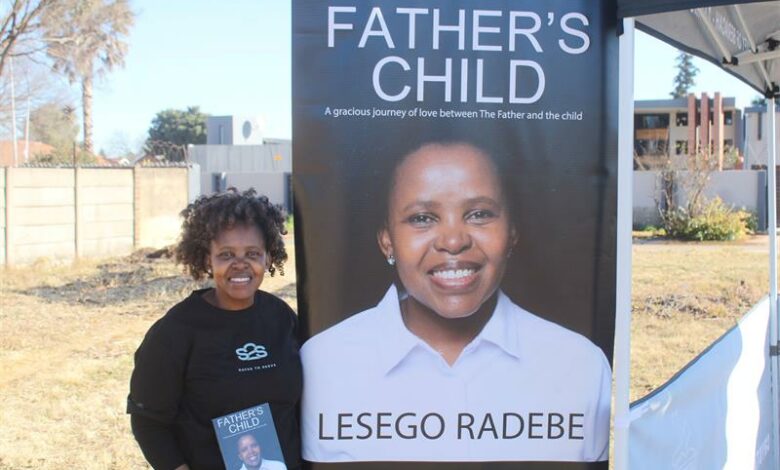
Growing up without her biological father left Crystal Park author Lesego Radebe carrying a question that lingered for years – Why?
In her new memoir, Father’s Child, Radebe candidly explores the pain of growing up without a father, the impact it had on her identity and how she ultimately found healing through her Christian faith.
Blending deeply personal experiences with biblical reflections, the book speaks to children who have grown up without their fathers while reminding fathers that they play an irreplaceable role in their children’s lives.
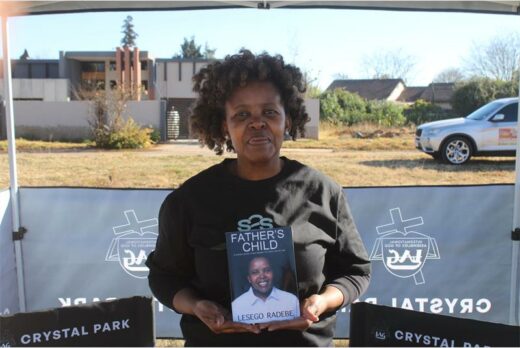
“It’s intended to speak to a child who grew up not knowing their biological father and through the genuine longing for the love of a father,” Radebe said.
From the opening pages, Radebe recounts the emotional void of knowing her father was alive but absent from her life.
“Throughout the journey of growing up, going to school and seeing other children with their fathers at school meetings while you don’t have one, you just try to imagine what that love would look like.”
That longing became one of the defining themes of her childhood.
In the book, Radebe argues that fathers have a profound influence not only on their children but on future generations. She believes many of society’s challenges can be traced back to fatherlessness.
“I strongly believe many of the social ills we experience, where young boys immerse themselves in drugs and crime, are a result of a void left by absent fathers. If fathers drop the baton, their children begin life’s journey from a negative starting point.”
Also Read: Book review: Cleveland abductions a story of hope and suffering
While she writes honestly about her pain, Radebe is equally grateful for those who stepped in to fill the gap.
She credits her grandparents, uncles, aunts and, later, her stepfather for surrounding her with unconditional love.
“My mom got married to someone else, and what I appreciated about my stepdad is that he treated me as his own. Whenever we met his extended family, he would introduce me as his firstborn. That gave me courage.”
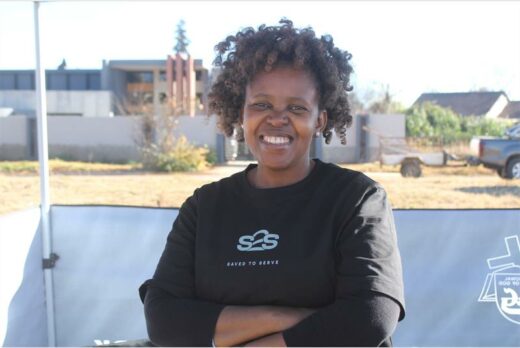
She also found unwavering support from her husband, Reverend Msutu Radebe, whom she married in 1997.
Yet despite being surrounded by love, she admits the absence of her biological father left emotional scars.
“I longed to be embraced as a daddy’s little girl,” she writes, adding that despite hearing sermons reminding her that her existence was not a mistake, one painful question remained: Why didn’t he want me in his life?
Rather than condemning absent fathers, Radebe uses her memoir to encourage healing, forgiveness and reconciliation.
“I’m not blaming fathers because we don’t always know the reasons they were absent,” she said.
“As children, don’t withhold forgiveness. Have courageous and honest conversations. And to fathers, don’t write off your life and think you’re beyond redemption. People make mistakes, but they can return, be restored and rebuild those relationships.”
Radebe hopes her story will offer comfort to those carrying similar wounds while inspiring fathers to reclaim the vital role only they can fulfil.
Also Read: Boksburg Library: more than just books