Famsa weighs in on fight against GBV
Residents are urged to continue devoting their efforts and available resources to combat GBV, beyond the 16 Days of Activism campaign.
The 16 Days of Activism of No Violence Against Women and Children Campaign, which began on November 25, came to an end on December 10, but, according to experts, the scourge of GBV appears to be far from ending.
Despite all the strong condemnation and awareness exercises to challenge attitudes to GBV during the campaign, it is expected that this ‘pandemic’ will, as usual, intensify over the festive season and continue into next year.
On account of that, the Family and Marriage Society of SA (Famsa) East Rand, an NPO committed to healthy family life, quality relationships and non-violence said the end of the activism period doesn’t mean that we must now fold our hands about the matter.
Famsa encourages all South Africans, including NGOs and the public and private institutions to keep fighting against GBV.
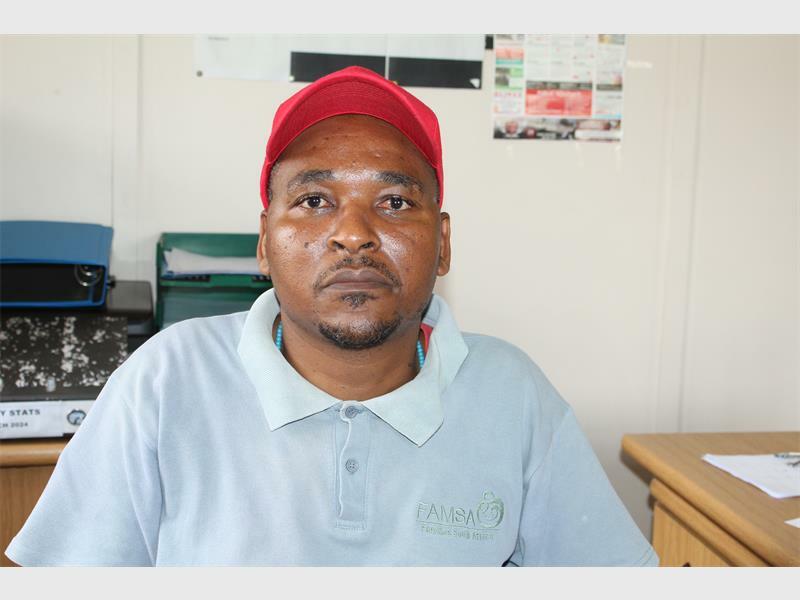
The society’s acting director, Samuel Matlala, said as the festive season gets going and with many families revelling in various activities at home, more people, particularly women and girls are mostly likely to be subjected to GBV – emanating from arguments during the festive season and beyond.
Matlala said they have noted that, during the festive season, most of these family disputes are fueled by drinking and spending binges – which tends to result in financial issues, more especially in January when some parents need money to cover the costs of their children going back to school and other basic needs in the household.
“The prevailing scourge of GBV points to the need to continue assisting those who find themselves under these difficult conditions of GBV, and continue to use the available resources in combating domestic violence beyond the 16 Days of Activism campaign.”
Matlala stressed that if we hope to end the scourge it is crucial that as a country we consider triaging on tackling GBV, as this will help the country to identify the main causes and therefore direct more attention to those identified underlying causes.
Matlala believes that dysfunctional families, failed marriages, economic challenges and some inherited intergenerational cultural practices are among the main contributors.
“This GBV happens within families or between intimate partners. It is a fact that focusing on family dynamics is central to fighting GBV. That entails intervening early on in dysfunctional families and dealing with the issues leading to violence, as well as the things that allow the abuser to keep on abusing.”
Matlala identified clear communication, responsibility toward your family, accepting change and flexibility, as among the primary factors contributing to healthy family dynamics.
“It’s normal for families to have challenges and disagree on certain things, but what matters most is how families address those issues without engaging in violence or other forms of abuse.
Matlala pointed out that those family challenges must be communicated and amicably resolved by the relevant parties before they escalate to fights and ultimately deadly violence.
He warned that unresolved family issues tend to lead to stressful family relationships as they normally breed constant arguments that sometimes result in mental health issues, violence and subsequently negatively impact the quality of family relationships.
“We have found that in most families communication is not as it is supposed to be. And that results in partners not being aware of any difficult situation that the other person may be going through.”
He added that sometimes the fights are as a result of either one of the parents, stay-at-home dads in most cases, being unable to fulfil the family members’ expectations, such as providing financial support for the family.
“People are going through a lot out there after losing their jobs and loved ones due to Covid-19. Some are depressed and feel helpless in not being able to provide financial support for their families. Sometimes the person going through something difficult starts abusing substances as a coping mechanism, and is always angry, rebellious and violent as a defensive mechanism.”
Matlala said the other issue is that some parents tend to delegate their family responsibilities.
“We are neglecting some of our responsibilities. For example, you are a parent but not a present parent. We are neglecting our responsibilities as parents, and by doing that we are manufacturing more problems within the family setting and these problems will at a later stage come back to hit us.
“Also, children growing up in these dysfunctional families tend to mix with wrong friends and engage in activities leading to substance addiction, and being potential perpetrators of violence and other criminal activities.
Support
Those battling to maintain healthy family dynamics or find themselves in the difficult situation of GBV, can contact Famsa East Rand for help on 011 892 4272.
The centre, located at the old Town Hall building on the corner of Trichardts Road and Commissioner Street, is open Monday to Friday from 08:15 to 16:00.
While the service is offered free of charge to elderly people, the unemployed and employed people who can’t afford to pay the set fees; the centre encourages those who can afford to contribute the set amount to do so, because the facility is heavily reliant on those contributions in order to keep its doors opened.
Management also appeals to local businesses to assist where they can. This can be done through sponsorship or one-off donations.
Also Read: Famsa, clinic educate about mental health problems