
21-day grace period to register spaza shops running out
Shop owners have until December 13 to register their businesses with the local authorities.
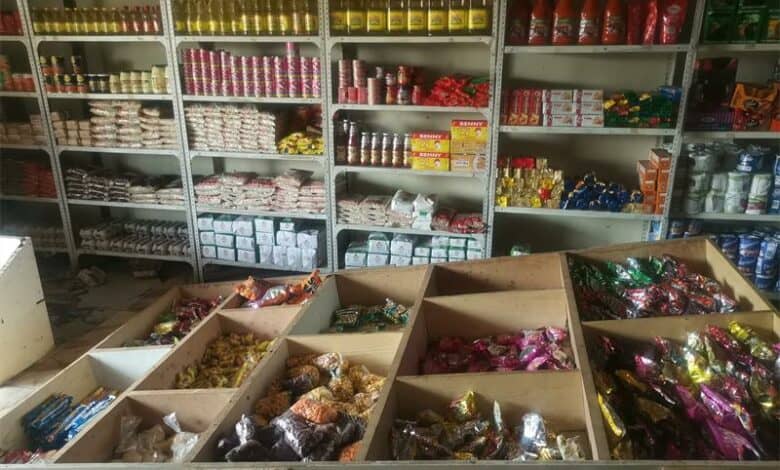
As the deadline to re-register spaza shops and other food-handling facilities draws closer, the City of Ekurhuleni (CoE) has urged operators to use the remaining time to register their businesses or face closure.
However, some spaza shop operators who want to comply with the regulations have indicated they may not meet the deadline because the grace period is not long enough to deal with all the admin behind the registrations.
Others said they may not meet the regulatory requirements because they don’t hold some required legal documents for property ownership.
Food safety intervention
Following the spate of food-borne cases that claimed many lives, believed to originate from contaminated food allegedly sold by these informal traders, President Cyril Ramaphosa last month instructed all spaza shops to re-register their businesses within 21 days.
The window period will come to an end on December 13.
Ramaphosa said non-compliant spaza shops and vendors should cease operating after the 21-day grace period or face the law.
CoE spokesperson Zweli Dlamini pointed out business owners can be assisted at their nearest customer care centres from 08:00 to 16:30, Monday to Friday.
“To register, the spaza shop and food-handling business owners must submit their completed applications with all the documents at the designated customer care centre. Qualifying businesses will receive business licenses in line with the Business Act, 1991 (Act 71 of 1991),” explained Dlamini.
Requirements
All spaza shops and food-handling businesses must meet the following minimum requirements for registration:
• A completed business license application form
• The appropriate zoning certificate or written consent approval
• Certificate of acceptability (health standards)
• Approved building plan and occupancy certificate
• Certified copy of the title deed or letter from the landlord if not owned
• Identity document (for South African residents)
• Work permit or letter from the Department of Home Affairs (for non-South African residents)
• Registration with the Companies and Intellectual Property Commission (CIPC)
• Latest municipal account statement for the business address
• A tax clearance certificate from SARS.
Major challenges
Many spaza shop operators who spoke to this publication said the 21-day period is not long enough, and thus requested more time to put their house in order.
Others complain the processes have excessive red tape, making it unworkable for those operating in informal settlements or pieces of land they do not own.
One of the community leaders in Comet, Granny Selepe, said, like the many other informal settlements in the city, local shop operators in her area are worried about what will happen to their businesses after the deadline because they do not hold title deeds to the property they operate in as it is owned by the municipality.
They are also not in possession of zoning certificates.
“With only a few days left before cutoff, dozens of South African shop operators here fear losing their sole income if the government does not extend the deadline, and cut the red tape preventing business operators from being able to quickly and easily register their businesses.
“Some have been to the municipal offices but are struggling with the regulatory requirements, and officials can’t help them without all the required documents.”
Some communities and political figures call for the immediate closure of all foreign-owned spaza shops in the townships, saying this must be reserved for South Africans only.
Video footage on social media shows groups of people going from shop to shop, instructing owners to close their shops.
Meanwhile, the State has warned South African citizens against registering spaza shops on behalf of foreign nationals, as this may lead to dire consequences.
https://x.com/i/status/1866168498780577926
Also Read: Gauteng Spaza shop re-registration plan unveiled