Boksburg SPCA – Parvo cases increasing
Pet owners are urged to vaccinate their puppies, as the deadly disease continues to claim the lives of unprotected dogs.
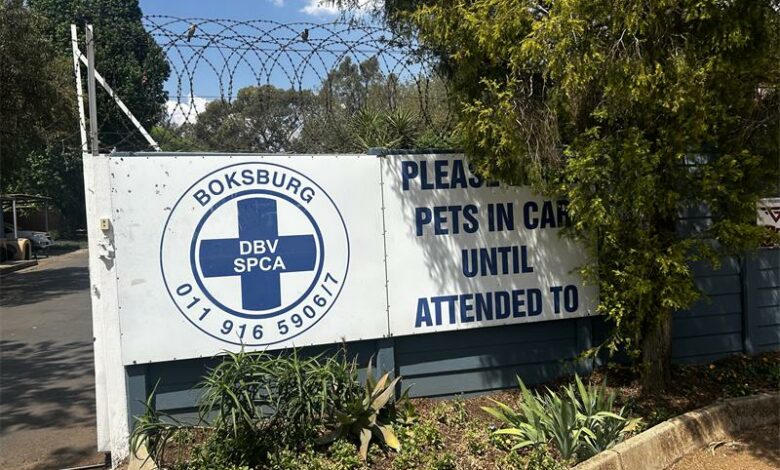
The Boksburg SPCA has issued a warning after noting an increased number of unvaccinated puppies presenting with the canine parvovirus (CPV), a highly contagious and often fatal disease.
According to the society, the only effective way to prevent parvo is through vaccination. Puppies require three five-in-one vaccinations, administered three weeks apart from six weeks of age, to be fully immunised. The SPCA stressed that a single vaccination does not protect puppies against the virus.
Pet owners are urged to be cautious when buying puppies. The SPCA warned that if a seller claims a puppy was vaccinated but cannot provide a vaccination card, the likelihood is that the puppy was not vaccinated.
What is CPV?
The Canine parvovirus primarily affects a dog’s intestinal tract and has a mortality rate of about 90% in unvaccinated puppies and dogs.
The virus prevents the absorption of fluids, causes severe fluid loss through diarrhoea, and allows bacteria to move into the gut, leading to sepsis, shock, dehydration and internal bleeding.
Also Read: Quick Q&A on how to protect your dog from Parvovirus
Symptoms usually appear five to seven days after exposure and include loss of appetite, lethargy and vomiting and diarrhoea, often with a strong smell and blood.
Puppies can rapidly deteriorate, with the highest risk of death being between 24 and 72 hours after symptoms begin.
Diagnosis and treatment
The virus can be diagnosed using a parvo snap test, available at the Boksburg SPCA and private veterinary clinics.
However, treatment can be costly. Private veterinary care for the parvovirus can range from R4 000 to R8 000 and still carries a low survival rate. If owners cannot afford treatment, the SPCA said humane euthanasia is recommended to prevent undue suffering.
Due to the highly contagious nature of the virus and the number of dogs housed at its kennels, the Boksburg SPCA will not admit parvo-positive puppies or dogs for treatment.
The virus is not airborne but can survive in the environment for up to six months. It is spread through direct contact with infected dogs, infected faeces, or contaminated surfaces such as soil, cement, kennel floors, food and water bowls, collars, leashes, and even the hands, shoes and clothing of people who have handled infected animals.
The SPCA reiterated that vaccination remains the only effective method of prevention. While unvaccinated puppies and dogs have a mortality rate of more than 90%, about 85% of fully vaccinated dogs survive if exposed to the virus.
Also Read: Pet Corner: Lethal parvovirus is easily transmitable
For early protection, the Nobivac Puppy DP Plus vaccine can be administered from four weeks of age. This vaccine provides protection against the parvovirus within three days and distemper within seven.
However, it must be followed by a full course of three five-in-one vaccinations, given three weeks apart, for puppies to be fully immunised.
Until full immunisation is completed, the SPCA advised that puppies should not socialise with other dogs or visit parks or public areas where they could be exposed to unvaccinated dogs or contaminated ground and grass.