Cancer screenings essential to overall good health
Making time for recommended screenings could literally save your life.
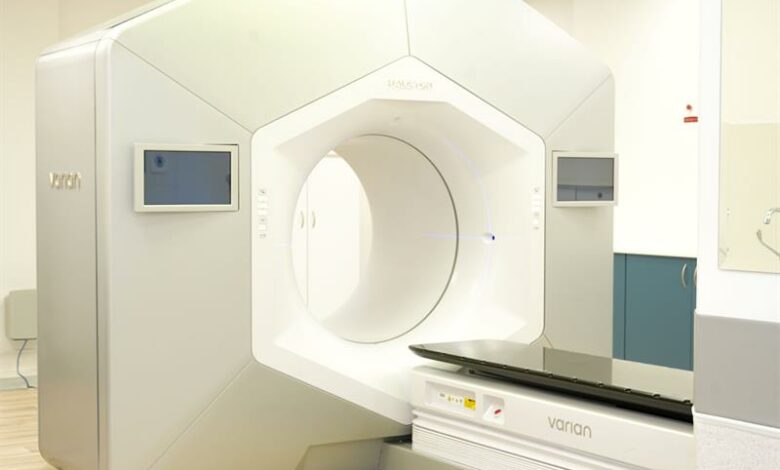
Two oncologists are urging the public to become more aware of lesser-known ways to reduce the risk of common cancers and how new technologies are improving the treatments available today.
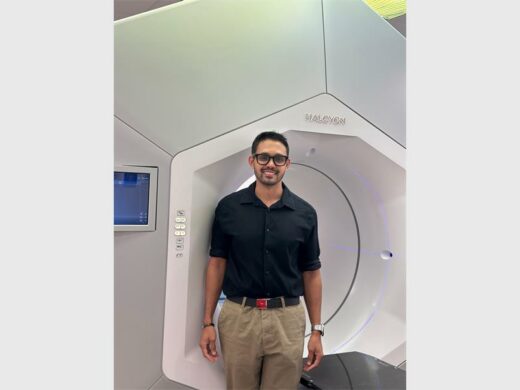
“In South Africa, one in eight women and one in seven men are expected to be affected by cancer in their lifetime, with cancer rates increasing globally,” said Dr Trenton Oliver, a clinical and radiation oncologist at Oncology Health Centre.
The most commonly diagnosed cancers among women in South Africa are breast and cervical cancers, while prostate cancer and a form of skin cancer known as basal cell carcinoma top the list for men.
“Too often, the preventative and screening tests appropriate for our age and personal risk factors are not prioritised. We are losing the valuable opportunity for early detection of many of the most common cancers before they can progress to become more serious,” Oliver said.
ALSO READ: Knowledge is power: Reiger Park community learns to fight cancer
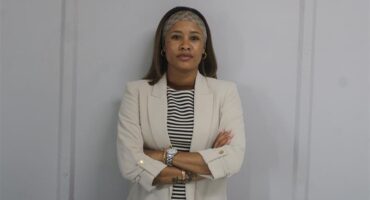
“Making time for recommended screenings is so crucial to our overall health – it could literally save your life,” added radiation oncologist Dr Lucille Heslop of the Netcare Parklands Hospital.
“For the most common cancers diagnosed in South Africa, testing has advanced to such an extent that changes associated with cancer in the body can often be detected much earlier, before they have a chance to become life-threatening.
“In most cases, breast cancer is very treatable these days, yet a concerning trend we are seeing is that, while in the past we mainly saw older people being diagnosed with breast cancer, nowadays we are increasingly seeing younger women being diagnosed too.
“Take the time to discuss your risk factors with your doctor as part of a routine check-up.”
The doctors emphasise that a simple check-up with your GP can make all the difference by enabling earlier detection and intervention and, therefore, better outcomes.
“There is less reason to fear screening than ever before, because if something is detected, more can be done through multidisciplinary collaboration on treatment plans centred on the person’s needs and individual treatment goals,” Dr Oliver said.
Significant advances in radiotherapy, chemotherapy and other cancer treatments, used either individually or in combination, are leading to more targeted, personalised therapies.
“With the more advanced techniques available, such as Deep Inspiration Breath Hold [DIBH] radiotherapy for breast cancer, it is now possible in many cases to treat cancer effectively while limiting treatment side effects.
“This, however, does not replace the need for early detection through regular screening,” Dr Heslop said.

ALSO READ: Tee off to help teen fight rare cancer