
Brakpan 100: History of old Brakpan Location
Brakpan Location inhabitants subscribed to various religious bodies, cultural groups, sport clubs, stokvels, commercial groups and tribal ethnic affiliates.
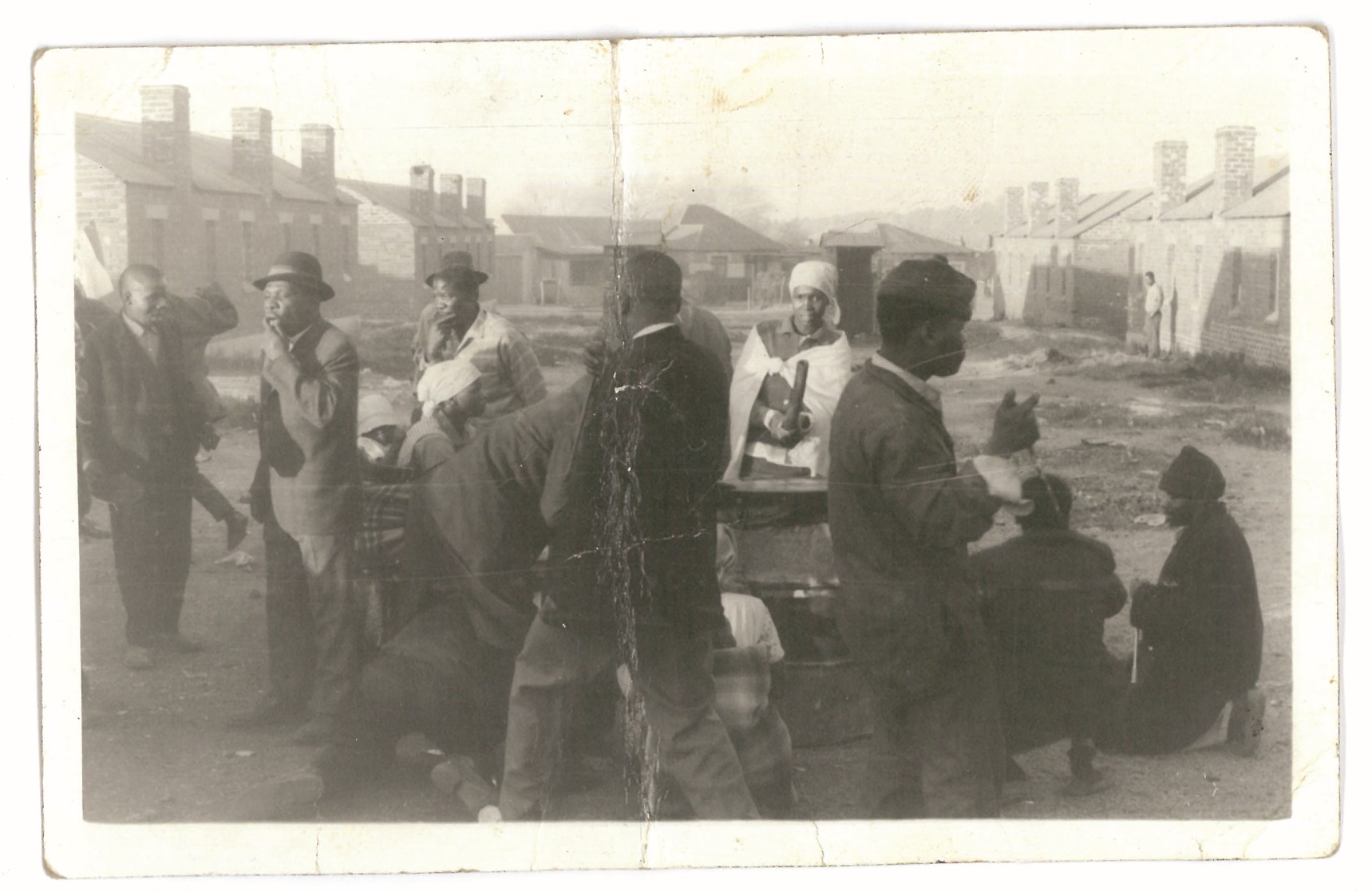
In terms of government policy, when Brakpan was proclaimed a municipality in 1919, the town council was obliged to establish a location for black people.
The mining companies were reluctant to make land available to the municipality next to the mines.
The intervention by the general government secured land to establish a location in 1927.
The location inhabitants were mainly from the farms in Withok, Witpoortjie, Rand Collieries and also from mine locations in State Mines, Springs West, Brakpan Mines and Vlakfontein Mines.
Others were from Springs and Benoni locations and a few from rural reserves.
• Housing and schools
In 1923 the Native (Urban Areas) Act was passed and the responsibility for housing black people was placed upon the shoulders of the local authority.
The municipality provided family rental houses and single accommodation for both sexes.
Serviced stands were with limited basic services – the bucket system was used and there were communal street taps and street lights.
Sports facilities and a public swimming pool were available in 1955.
A community hall, public health clinic and shops were built.
Mining houses provided single-sex compound accommodation for foreign recruits, and married quarters for family live-in mine staff workers.
Primary schooling was provided by missionary societies near the location and mine location schools in States Mines, Springs West, Brakpan Mines and the farm school in Withok.
In the 1930s, local churches with state subsidy provided schooling.
The facilities were hopelessly inadequate.
Government subsidised schools followed in 1940 and all church schools were amalgamated into three schools.
Brakpan Bantu High School was started in 1942 and was the second in the East Rand for black learners.
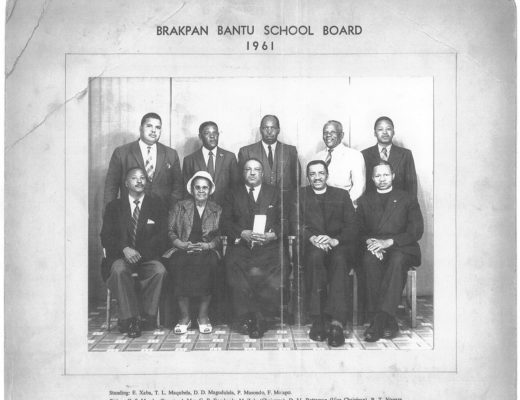
The school sat for first Joint Matriculation board exams in 1946.
Mine location schools were closed down and learners were moved to Brakpan Location schools.
A community crèche was provided by charity organisations.
Economic depression in the 1940s caused an influx of landless and homeless people into the location.
The location only provided for 2 000 households.
A critical housing shortage created informal settlements and backyard squatting.
• Primary healthcare services
The location was served by a single healthcare clinic.
Brakpan occupants who were on white farms in backyard rooms or factories and shops relied on their employers for medical treatment.
Restricted services were provided from the Far East Rand Hospital built in 1932.
The hospital cared mainly for white miners.
Location midwives conducted home visits during childbirth.
Only serious cases were transferred to the hospital.
Those with communicable illnesses were transferred to Santa Clinic in Modder Bee State Hospital.
Others suffering from dreaded diseases were treated in state hospitals in the province.
Provincial administration was responsible for all aspects of curative medicine and local authorities were in charge of environmental health issues.
Private doctors exclusively provided services at their down town consulting rooms.
The location was cordoned off with high palisade steel barricades to restrict contact with the mine community in the compounds.
• Economy
Despite Brakpan having gold mines, it never attracted major investors in manufacturing and tertiary industries.
The Power Station was the biggest employer in the sector.
A limited number of location occupants were absorbed in the formal employment.
A few were employed in neighbouring towns.
The influx control laws restricted movement to other places.
The bulk of the inhabitants were in the informal trade as coal merchants supplying hotels, homes and clubs in town with firewood and coal, others as fruit and vegetable vendors to small holdings and townspeople.
Many were tradesmen in various activities in the location.
Some were engaged in home-trades and other in all vices of fahfee, gambling, home-brew and petty offences.
Municipal-owned shops were limited and rentals were high.
In 1963, the closure of Brakpan, Sallies, Van Dyk and States mines collapsed the black community of Brakpan.
Business suffered and unemployment escalated.
• Higher education
From the 1950s, higher education was provided away from Reef schools.
Few families could afford educating their children.
Many were drawn to the industries with basic schooling.
Others served in the public sector.
The high school education was retained again only in 1978 after Brakpan Location was relocated to Tsakane in terms of the Group Areas Act.
• Sports
Many sport teams in the location originated from mine communities – soccer, cricket, boxing, athletics, tennis, golf and bodybuilding.
Other sport codes were started by welfare and charity organisations.
Popular recreational activities were swimming, ballroom dancing, ladies beauty contests, choral music, male adult choirs and traditional tribal dancing.
Brakpan industries supported and sponsored local sports.
Competitions and tournaments were held in mine sport complexes and other non-racial recreational facilities.
The Brakpan Town Council rallied behind location sports teams.
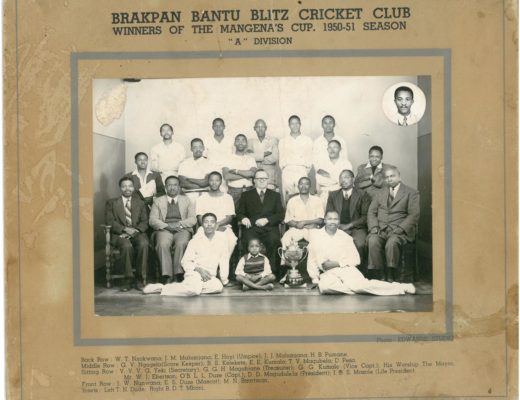
Brakpan Location schools dominated school music competitions and also in adult choir music competitions.
In 1988, local weightlifter Phillip Dlamini represented South Africa in the World Bodybuilding Championships in France and came second.
Brakpan Location inhabitants contributed immensely in national sport games in tennis, cricket, soccer and boxing in the 1950s.
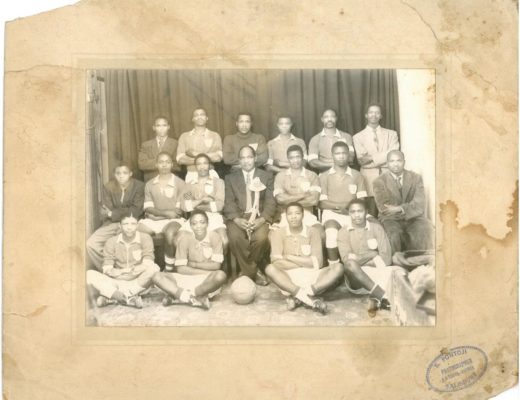
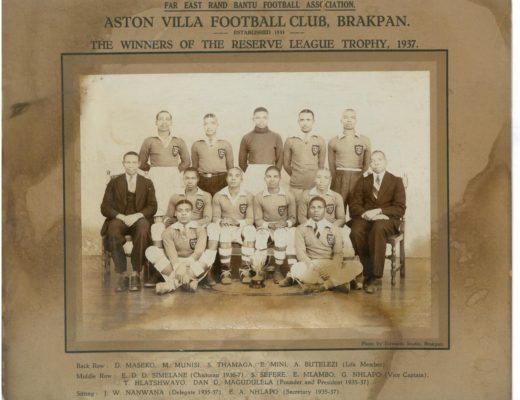
Some of the football teams affiliated to the Brakpan Local Football Association in the 1940s were Brakpan Coca-Cola Rainbows, Pepsi Rangers, Leeford Jumpers, White Rose Stars, Brakpan Rovers, Brakpan All Blacks, Lucky Lads United, Hoskings Stars and Aston Villa.
• Civil disobedience
Brakpan Location residents were controlled through the old pass system.
Black families in small holdings in Withok and other farms were victims of labour laws that dumped them in reserves when they became redundant.
The Brakpan Location was administered with harshness.
Vigilante groups and organisations represented the inhabitants over local issues in court appearances and arrests.
The political organisations’ defiance campaigns were supported.
In 1955, Brakpan Location residents defied the introduction of the Bantu Education System.
Alternative schooling was arranged in conflict to the Schools Act.
More school teachers were expelled and school children were refused place in schools later.
Leading community activists were involved in the 1956 National Teachers’ Salaries Strike organisation by the Transvaal African Teachers Association.
Brakpan Location activists were involved in extra-parliamentary politics of housing shortages, unemployment, social arrests, political bannings and expulsions and endorsement to the reserves.
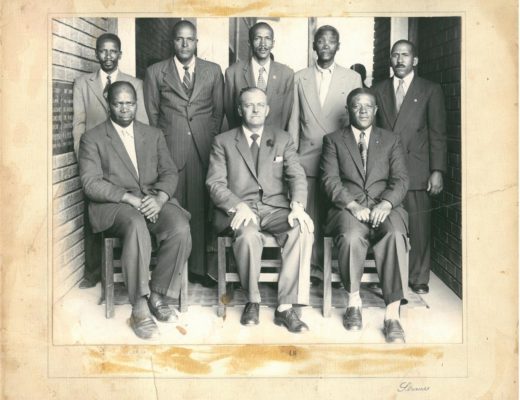
The Defiance Campaign started in 1952 was aimed at opposing all racial laws by the Nationalist Party government, including the Alexandra Buss Boycott in 1953, the Women’s March in 1956 and the Bethal Potato Boycott in 1959.
The country’s political tension in the middle ’50s delayed the Brakpan Location forced removals to Tsakane for the next 20 years.
The East Rand Administration Board protracted negotiations with informal settlements in and around the Brakpan Location and a peaceful solution was arranged and more funding was made available to build more houses in Tsakane in the middle ’80s.
Tsakane provided houses for East Rand communities other than homeland urban townships.
• Representation
In 1936, elected whites represented black people in Parliament through the Representation of Natives Act.
The Native Representative Council had Native Advisory Boards in locations.
The Brakpan Location Advisory Board was frequently at loggerheads with the local administration over local issues of shortage of houses, poor bus services, absence of place in schools, sanitation, crime and employment.
The majority of members were from politically-affiliated organisations.
Brakpan Location inhabitants subscribed to various religious bodies, cultural groups, sport clubs, stokvels, commercial groups and tribal ethnic affiliates.
The Brakpan Location was a vibrant society, sociable and full of life.
Sports and cultural life were unifying in many respects.
Communal support remained the trademark in many challenges that followed, even after relocation to Tsakane in 1980.
The Brakpan Herald values the contribution by resident Lawrence Mkhonza, from the Brakpan Museum NPC, who provided the information about the old Brakpan Location.
Have a story?
Contact the newsroom by emailing: Thelma Koorts (editor) brakpanherald@caxton.co.za
or Stacy Slatter (news editor) stacys@caxton.co.za
or Miné Fourie (journalist) minev@caxton.co.za
Remember to visit the Brakpan Herald on the following social media platforms:
Follow us: