
Celebrating 21 years of safer blood and pioneering testing at SANBS
South Africa's implementation of Individual Donor Nucleic Acid Testing has strengthened blood safety, expanded donor diversity and helped identify more than 5,000 cases of HIV, Hepatitis B and Hepatitis C through NAT screening.
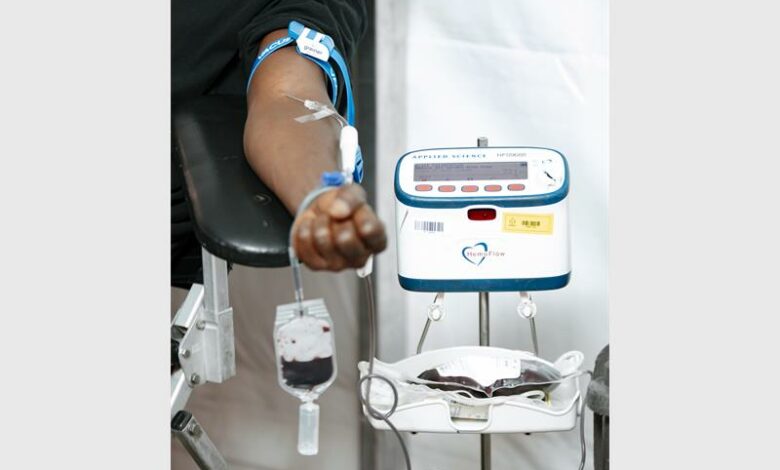
Twenty-one years after becoming the first country to implement Individual Donor Nucleic Acid Testing (ID-NAT) for individual blood donations at a national scale, the South African National Blood Service (SANBS) is reflecting on a significant chapter in the evolution of blood safety in South Africa.
The milestone was commemorated at a recent event at The Maslow Hotel in Sandton, bringing together stakeholders to reflect on the scientific innovation, research and institutional commitment that have helped strengthen the safety of the country’s blood supply.
Introduced in October 2005, ID-NAT marked a significant shift in how donated blood was screened for infectious diseases.The technology detects the genetic material of HIV, Hepatitis B virus (HBV) and Hepatitis C virus (HCV), enabling infections to be identified earlier than conventional antibody-based screening methods alone and reducing the window period during which an infection may otherwise go undetected.
Over the past 21 years, the impact of this technology has been measurable. SANBS data shows that approximately 18 million blood donations have been screened through NAT, identifying 5,166 NAT-yield cases involving HIV, HBV and HCV.
Of these cases, 3,995 (77%) were attributed to Hepatitis B, 1,093 (21%) to HIV and 78 (2%) to Hepatitis C. These findings demonstrate the critical role of NAT in identifying infections that may otherwise escape earlier screening and in supporting SANBS’s commitment to providing safe blood products to patients.
Commenting on the milestone, SANBS chief executive officer, Ravi Reddy, said: “Twenty-one years ago, the introduction of Individual Donor Nucleic Acid Testing represented a defining moment in our commitment to safer blood.
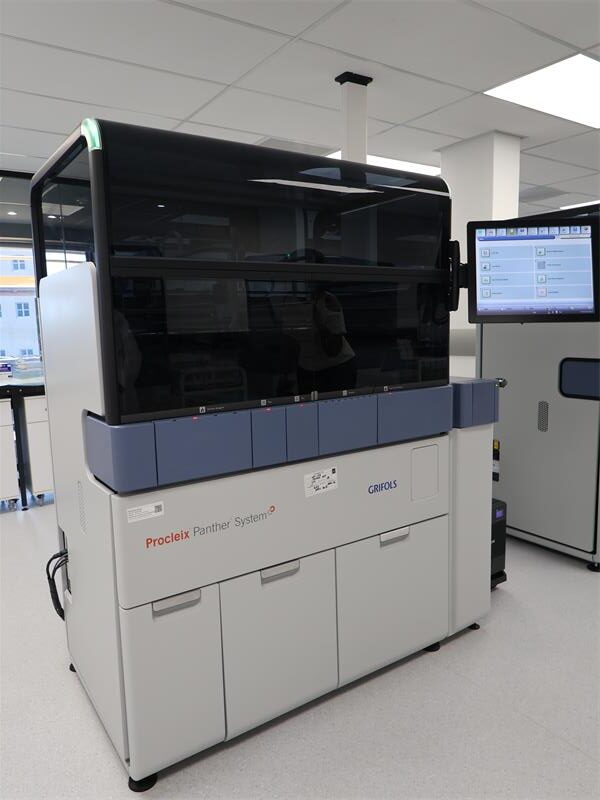
“It was not simply the adoption of new technology; it was a fundamental advancement in how we manage risk, protect patients and build confidence in the national blood supply.
“The impact of this investment is reflected in millions of donations screened, infections identified and, most importantly, the continued strengthening of blood safety in South Africa.
“As we reflect on this achievement, we remain committed to advancing science, research and innovation to ensure that patients receive the safest possible blood products.”
Beyond improving the detection of infectious diseases, the introduction of ID-NAT also contributed to a broader transformation in South Africa’s blood donation model.
Before its implementation, SANBS faced significant challenges in managing the risk of transfusion-transmitted infections during the HIV pandemic.
Following engagements with the National Department of Health in 2004, the organisation received approval to implement ID-NAT, moving away from race-based donor risk management towards individual-donation testing.
This transition supported a more inclusive approach to blood donation. SANBS data indicates that the proportion of donations from Black donors increased from approximately 4% in 2005 to almost 60% in 2026.
ALSO READ: Beekeepers watch the skies as El Niño threatens bee populations
The growth in collections further reflects this transformation. Total blood collections increased from 3.8 million during 2005–2010 to 5.8 million during 2021–2026, demonstrating the expansion of the donor base and the organisation’s capacity to support the country’s blood supply.
The milestone also highlights SANBS’s contribution to scientific research and the advancement of transfusion medicine.
Over the years, findings from its NAT programme have informed peer-reviewed research examining window-period infections, donor behaviour, HIV testing and the impact of antiretroviral treatment on blood screening.
Through its participation in the Recipient Epidemiology and Donor Evaluation Study (REDS-III), SANBS also contributed to research supported by a US$7 million grant, strengthening scientific understanding of HIV among South African blood donors and the effectiveness of blood screening technologies.
The organisation’s commitment to quality and innovation has also received international recognition. In 2011, the World Health Organisation commended SANBS as one of the top five blood services globally, recognising its national model, blood supply, blood safety protocols and ISO 15189 accreditation.
While celebrating this achievement, SANBS acknowledges that maintaining a safe and sustainable blood supply requires continued investment in science, rigorous testing, research and the participation of voluntary blood donors.
As the organisation looks ahead, the 21-year milestone reinforces the importance of combining scientific advancement with the generosity of donors whose contributions make life-saving transfusions possible.
ALSO READ: Gauteng MEC addresses ECD registration and funding challenges at open day