Khulisa programme reaches over 1,400 children as crime exposure among youth hits 72%
New data reveals urgent need for safe spaces and structured programmes in high-risk West Rand communities
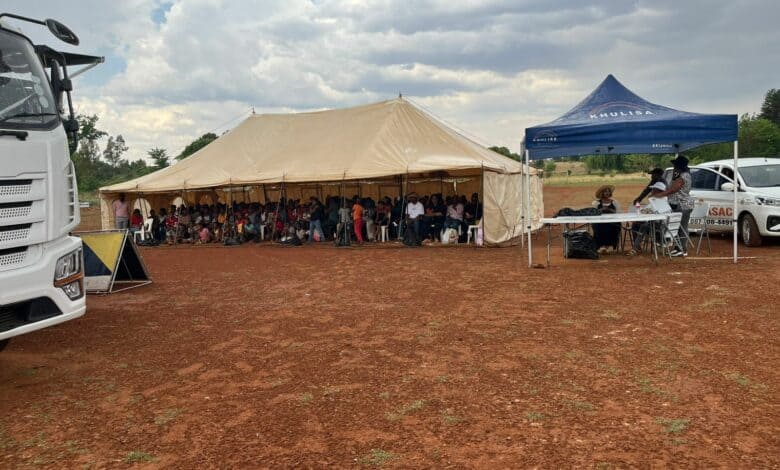
Over the past 12 months, the Khulisa School Holiday Programme has reached 1,404 children in high-risk communities across the West Rand, with detailed impact data from 647 participants aged 9–17. Alarmingly, 72% of these children reported witnessing crime in their communities—underscoring the harsh reality that many young people are growing up in environments defined by violence, instability, and risk.
These figures underscore a deeper systemic challenge: the lack of safe, structured facilities and programmes in vulnerable communities continues to expose children to crime and harmful social influences. During the school holidays in particular, the absence of supervision and constructive engagement significantly increases the likelihood of children being drawn into unsafe environments, including exposure to gangsterism, substance abuse, and peer pressure.
Without access to such interventions, many children reported they would otherwise spend their time unsupervised—either at home, on mobile devices, or socialising in environments that heighten exposure to crime. The programme directly addresses this gap by replacing unstructured time with supervised, development-focused activities that promote safety and positive behaviour.
Using methodologies such as dialogue circles, narrative therapy, and experiential learning, the programme enables children to reflect on their lived experiences and develop the tools needed to navigate complex social realities. The impact is measurable:
- 92% positive impact in dialogue circles and role-playing sessions
- 88% improvement in communication and public speaking
- 81% improvement in reflective practices such as journaling
- 100% positive impact in appreciative inquiry processes
Additional real-time evaluation data from a March 2026 dialogue circle with participants aged 11–16 further reinforces these outcomes:
- 100% of participants indicated a need for programmes of this nature in their community
- 100% reported feeling safe, heard, and able to share without judgment
- 100% experienced increased empathy, social connection, and a sense of belonging
- 100% reported gaining tools to help others and navigate their environment
- 86%–100% agreement that sessions were well-structured, useful, and clearly facilitated
- Satisfaction levels were consistently high, with the majority rating facilitators, venues, and overall experience as “satisfied” or “very satisfied”
Qualitative feedback highlights important behavioural and cognitive shifts. Participants reported learning to avoid negative peer influence, respect authority figures, and better understand risks such as bullying, sexual harassment, and gangsterism. Many expressed that the sessions helped them “know better,” make safer choices, and build healthier relationships.
However, the findings also highlight an urgent need for sustained and expanded investment. Many communities still lack the facilities, resources, and coordinated support needed to protect children effectively. Without continued funding and infrastructure development, there is a significant risk that children will return to unsafe environments, thereby reversing the progress made.