
Lesufi’s second SOPA promises change
E-tolls will be a thing of the past, while more sources of energy will be added to counter load-shedding.
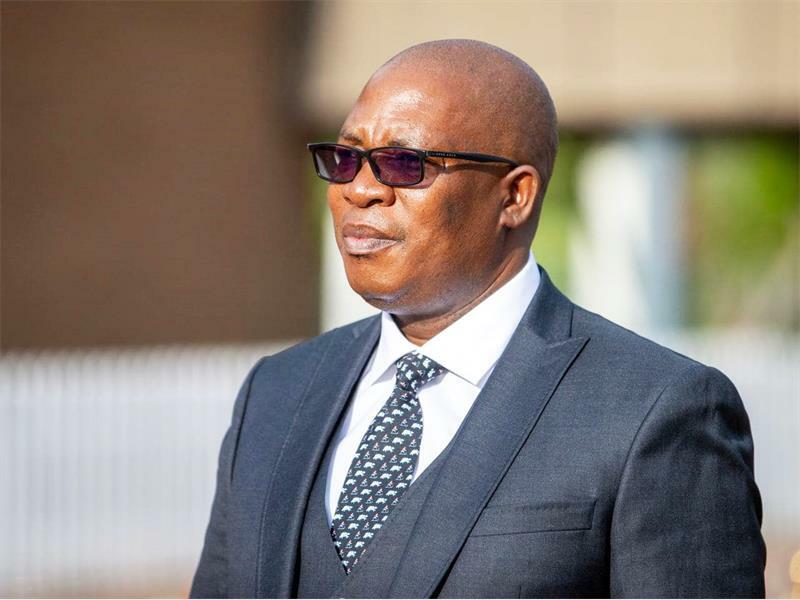
Gauteng Premier Panyaza Lesufi promised change in his second State of the Province Address (SOPA) at Nasrec on February 19.
Some of the changes include the scrapping of e-tolls and an energy response.
He, last year assured the people of Gauteng e-tolls would be a thing of the past.
“I am happy to report on the final meeting of January 26 between the Gauteng provincial government and the ministers of finance and transport.
“We have been able to find common ground on issues related to user pay principle quantum of GFIP debt, the quantum of sunken CAPEX costs, CAPEX obligation of the province, yearly maintenance costs of GFIP 1, repurposing gantries, repayment of Sanral GFIP 1 debt and the future funding of GFIP 2 and 3.

From where we sit as the province, we remain confident we should be able to end e-tolls by March,” he explained.
On an energy response, he said the protracted electricity crisis caused significant hardship for people in the province and had a detrimental effect on the growth of Gauteng’s economy.
“Power shortages harm the availability of healthcare services, food and water, and influence the level of crime, and unemployment rates, among others.”
Although energy is not a competency of the province, load-shedding’s crippling effect on the functionality of the state and its impact on broader society compelled them to intervene.
“After extensive consultation with the energy sector, we developed an energy crisis response plan in collaboration with the national energy committee, local government, and energy experts. This was followed by the announcement of R1.2b in funding that we made during the SOPA.

“We adopted a five-point strategy to respond to this crisis – eliminating all illegal power connections; installing smart meters in every home and business; improving revenue collection; cleaning the indigent register; and replacing all damaged transformers,” he said.
As part of the energy plan, he said they are adding 100MW of electricity to the grid to mitigate the impact of load-sheading.
“This is an initiative of the GPG implemented by City Power on our behalf, using the open-cycle gas turbine technology facilities in Johnware and Durban Street. This will be available from April 1.

“We will continue to expand to 300 megawatts in the new financial year. This investment combined with smart metres can generate the megawatts needed to cushion our residents against two stages of load-shedding, a critical step toward energy stability for the nation’s economic hub,” he said.
Lesusfi also mentioned that when he addressed the people of Gauteng a year ago, they committed themselves to fighting crime, lawlessness and corruption; accelerating the economic position; improving the townships, informal settlements and hostels; building the capacity of the state and fine-tuning their communication capabilities.