Dialysis patient inspires awareness and action this World Kidney Day
Diagnosed with end-stage kidney failure at 35, Stella de Kock has spent 15 years on dialysis. This World Kidney Day, she’s turning her personal struggle into a mission, raising awareness about kidney health, organ donation, and the urgent need for early detection in South Africa.
Stella de Kock woke up on April 16, 2011, with a painful foot.
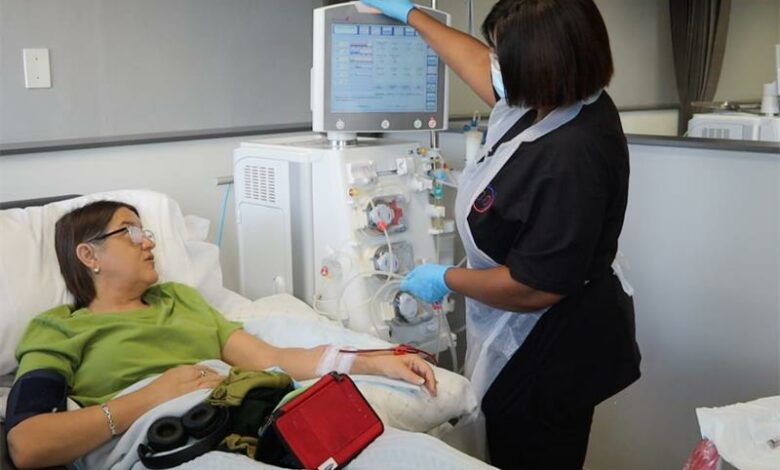
She was 35 years old at the time and thought she might be getting gout, but a visit to the doctor changed everything. The doctor told her to go to the care unit after conducting some tests. This was a day before she and her husband were supposed to go on a holiday in Mozambique. She was diagnosed with end-stage renal failure, with her kidneys only working at 8%. “You can lose up to 90% of kidney function without showing any symptoms.”
This news devastated her, as her father had also been diagnosed with kidney failure at the age of 35. He died five years later at 40. She was convinced that she had only 5 years to live. She said her family did not know that the condition could be hereditary. The nephrologist, doctor that specialises in kidneys, diagnosed her with hereditary, unspecified autoimmune disease affecting only her kidneys.
Read more: Rare Disease calls for equity in diagnosis and care
After she got the diagnosis, she was in denial, angry, and felt deep sadness, which all caused depression. “I leaned heavily on my husband and my mom during that time. My friends and family were also incredibly supportive as we all adjusted to this new way of living. The last stage, acceptance, took much longer.”
De Kock had to make a decision. She had to choose between two kinds of dialysis: peritoneal or hemodialysis. Looking at her condition, she was only given a day or two to decide. Seeing that time was limited, she eventually decided on taking the peritoneal dialysis, as it allowed her to manage treatment at home.

She wanted to keep her life as normal as possible and also keep working, but the fates had other plans. “Peritoneal dialysis did not agree with me. It had to be done every day, either manually five times a day, every four hours, or overnight on a machine for about 12 hours. This kind of dialysis was very hard. It made me feel very sick. I experienced cramps, constipation, restless legs, joint pain, and couldn’t sleep, which affected my mental health.”
De Kock struggled to do dialysis and work simultaneously. Eight months later, she got very sick and had to go to the hospital for a month after treatment failed to remove enough fluid. “The dialysis was not working, resulting in seizures and a dislocated shoulder. After a prolonged absence, I lost my job.”
She switched to haemodialysis, which meant she had to go to the hospital three times a week, and each time she had to stay for four hours. Adding travel time, it amounts to roughly 15 hours a week. De Kock is content with that. She says it is the time she has to spend to stay alive.
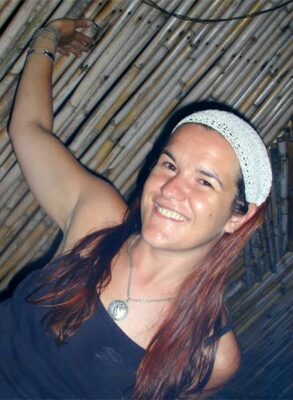
Now, fifteen years after her diagnosis, she is doing well. She is currently the managing director of Transplant Education for Living Legacies (Tell), a non-profit organisation, which is dedicated to educating and empowering people around kidney health and organ and tissue donation. Through community outreach, healthcare professional education, and public-facing campaigns, Tell works to turn knowledge into action and conversations into lifesaving decisions.
Also read: Fourways mother seeks community help as teen battles another brutal, rare condition
“I became an advocate for organ and tissue donation and kidney health. Early screening can slow, or even prevent, progression to end-stage kidney failure. I have learned to live with chronic haemodialysis. Fluid intake is restricted, and a strict renal diet must be followed. Fatigue and brain fog are constant companions, and some days you simply don’t have the energy to do the things you once enjoyed.”
World Kidney Day
This World Kidney Day, celebrated on March 12, Tell is placing a strong local spotlight on the growing intersection between kidney health, climate change, and equity of care. Who survives kidney failure in South Africa still depends far too much on where you live and what resources you can access.
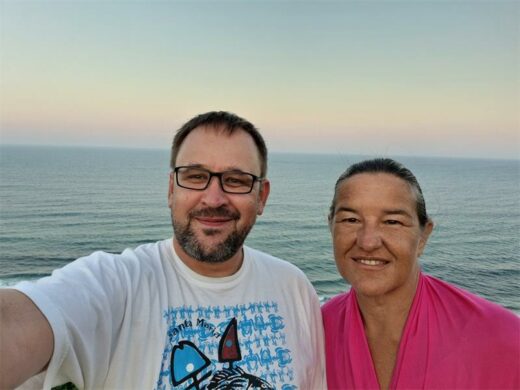
Caption: Stella and Nihan de Kock during one of their vacations. Photo: supplied
Description: Stella and Nihan de Kock during one of their vacations. Photo: supplied
According to World Kidney Day, treatments for end-stage kidney disease, particularly dialysis, are highly resource-intensive. Dialysis consumes vast amounts of water and energy, relies heavily on single-use plastics, and generates significant greenhouse gas emissions. A single hemodialysis session can have a carbon footprint equivalent to driving nearly 240km.
Heat hits harder here
South Africa is experiencing hotter days, longer heatwaves, and more extreme weather, and kidneys are feeling it.
• Children feel heat faster than adults, increasing their risk of dehydration.
• People living with high blood pressure, diabetes, or chronic kidney disease are more vulnerable during hot weather.
• Heat leads to fluid loss and more concentrated urine, increasing the risk of kidney stones and acute kidney injury.
• For people working outdoors, kidneys work overtime, especially without access to water, shade, and rest.
Also read: #Ride4rare raises about R200 000 for rare diseases through Ride Joburg race
Hydration is kidney care
Tell encourages South Africans to:
• Make hydration normal: water breaks, shaded play, lighter meals on hot days.
• Check in at home with a simple question: ‘How’s your pee colour?’ Pale means you are hydrated. Dark mean you need to drink more water.
• Remember: Consistent hydration is your kidney stone-prevention superpower
Early detection still saves lives
Early detection remains one of the most powerful tools in kidney care. Simple blood and urine tests can identify kidney problems early, allowing timely treatment that slows progression and reduces the need for intensive, costly care later.
Protecting the planet
As South Africa faces both a kidney health crisis and a climate challenge, the two conversations can no longer be separated. Protecting kidney health means:
• Preventing disease early,
• Supporting patients fairly,
• Expanding access to transplantation,
• Reducing environmental strain, and
• Creating healthier homes, schools, and workplaces.
Follow us on our WhatsApp channel, Facebook, X, Instagram and TikTok for the latest updates and inspiration!