Snake at death’s door gets second chance at life thanks to Johannesburg Wildlife Veterinary Hospital
A severely malnourished Southern African python, rescued from illegal captivity, is making a slow but remarkable recovery, and it is all thanks to specialised veterinary care.
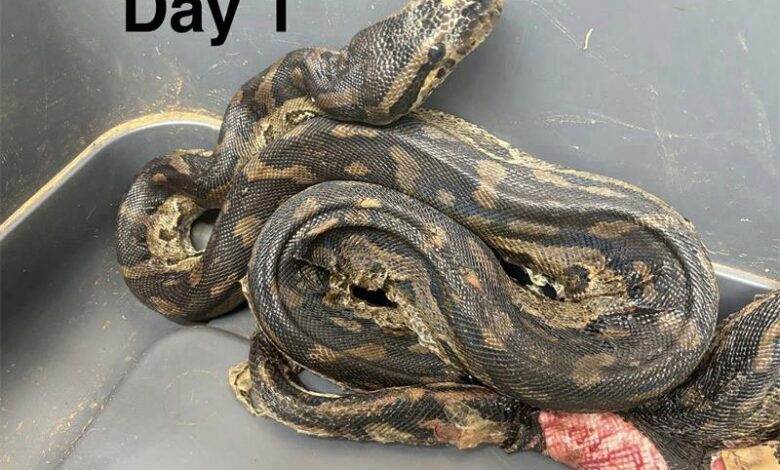
A severely emaciated Southern African python, rescued from illegal captivity, is slowly recovering after months of intensive veterinary care at the Johannesburg Wildlife Veterinary Hospital in Glenferness.
The adult male python was extremely critical when it was admitted to the facility in November last year, after being kept illegally in poor conditions for an extended period. According to Windy Willson, from the facility, the snake was profoundly weak and displayed almost no defensive behaviour, highly unusual for a species typically known for its strong reactions when handled.
Read more: R9 000 raised for Woodrock Animal Rescue
At the time of admission, he appeared barely responsive to his surroundings. She said veterinary examinations revealed advanced protein malnutrition caused by prolonged starvation. Large areas of the snake’s skin were not shedding normally, instead sloughing off in patches, a severe symptom linked to critically low albumin levels.
Albumin is a vital protein responsible for maintaining tissue integrity, supporting wound healing, and enabling normal bodily function. When levels drop drastically, the body loses its ability to repair itself, often leading to progressive deterioration and organ failure.
“In cases like this,” Willson said, “the prognosis is usually extremely poor. Many snakes suffering from this degree of malnutrition do not survive, and humane euthanasia is often the kindest option to prevent prolonged suffering.”
She said the veterinary team began an intensive stabilisation process, using exceptionally gentle handling techniques to minimise pain and prevent further damage to the snake’s fragile skin. The first 48 hours proved critical. Subtle behavioural changes, including hissing and tongue-flicking, signalled returning neurological responsiveness and improving strength, encouraging the team to continue treatment while monitoring his progress daily.
Also read: Paulshof residents petition to stop animal sacrifices
Once stabilised, Willson said veterinarians introduced oral rehydration through careful tubing before gradually administering a specialised carnivore recovery diet. Feeding began with just 10ml per session, slowly increasing to 120ml every three days, to avoid overwhelming his weakened system. “At admission, he weighed only 1.6kg. Seeing him regain strength step by step has been extraordinary. Recovery in reptiles is slow, but every successful shed and small weight gain tells us he is healing.”
Today, the python weighs 2.4kg, a significant improvement that Willson describes as remarkable considering his initial condition. His skin continues to heal gradually, and he has completed several successful shedding cycles, an important milestone in reptile recovery.
Willson said the hospital staff waited weeks before sharing the story publicly, uncertain whether the snake would survive the early stages of treatment. “One day, he will go back to the wild where he belongs. Cases like this remind us why specialised wildlife care and proper nutrition are so critical, and why illegal keeping of wildlife can have devastating consequences.”
Follow us on our Whatsapp channel, Facebook, X, Instagram and TikTok for the latest updates!