
CyberCivil Southern Africa’s fight against cyber crime
Think twice before clicking that link! Cybercrime is on the rise, and civil society organisations are in the crosshairs. However, this one initiative is fighting back and empowering activists to stay safe online.
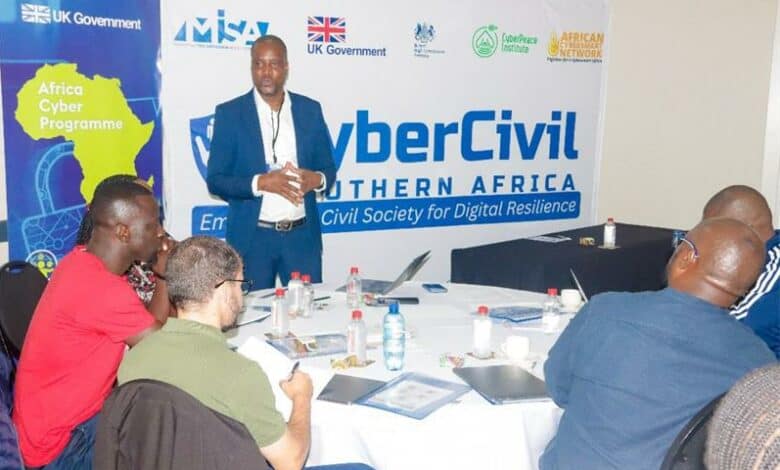
When Silence Chirumbula received a link from a beautiful Chinese lady, insisting he clicked on it, he had no idea he would lose access to his LinkedIn account. “Those who are my connections, I am sorry. It is no longer me.” As funny as it sounds, this is a reality that has hit many people around the globe, and some much, much harder.
For those reasons, The Media Institute of Southern Africa (MISA), together with the African Cybers Smart Network, launched CyberCivil Southern Africa, a digital and capacity-building programme aimed at enhancing cybersecurity for civil society organisations (CSOs) across the Southern African region.
Also read: Lonehill Dam’s foreign plant clean up comes to a halt due to lack of equipment
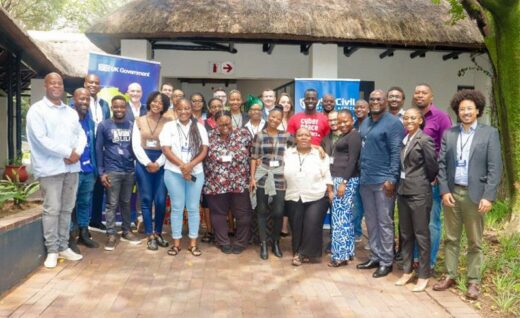
This is the brainchild of David Moepeng, a former journalist, after he realised the importance of educating people from various non-profit organisations about cybercrimes and why they are targeted.
Moepeng hosted a capacity building workshop at the Indaba Hotel in Fourways on March 4 to teach people from various organisations about cybersecurity.
He said CyberCivil Southern Africa seeks to close the gap, by equipping CSOs with the skills, tools, and strategies needed to secure their digital infrastructure, safeguard sensitive information, and mitigate cyber risks effectively.
Also read: 60 million people targeted to help Cllr keep Fourways clean
The programme provided specialised training tailored to high-risk civil society groups, including journalists, human rights defenders, democracy activists, women’s rights advocates, and LGBTQI+ activists.
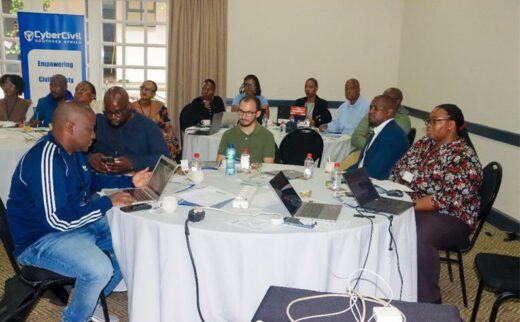
“As these organisations increasingly rely on digital tools to promote social justice and human rights, they face escalating risks such as hacking, data breaches, online surveillance, and targeted harassment. Many organisations, particularly those engaged in sensitive advocacy work, lack the necessary resources and expertise to protect themselves from these digital threats.”
The initiative is funded by the British Government to address the growing cyber threats facing human rights defenders, journalists, and activists working to advance democracy, gender equality, and anti-corruption efforts.
Read more: Security hints and tips for domestic workers
“We live in an era where all sectors need to enhance their online security because we communicate online, bank online, transact online, etc. Private companies are enhancing their online securities because they are able to afford to adapt to new technologies and train their employees. Civil society, because it is funded by donors, struggles because they do not have the resources and capacity for them to train.”
Moepeng said CyberCivil Southern Africa is a three-month programme during which they train organisations about cybersecurity.
“They then go back to their operations to implement the strategies that we share with them during the training. We also help them with conducting security audits at their offices, to check how secure their laptops and networks are. This includes elderly people. We provide them with knowledge because they are also targets, and often the victims of cyber crimes.”
Follow us on our Facebook, X, Instagram, and TikTok pages. Join our WhatsApp group for any story ideas you may have.