USAID has also left furry friends in the fray, expert warns
The sudden loss of funding is putting the country's animal and human health in jeopardy, and experts are warning it could have devastating consequences.
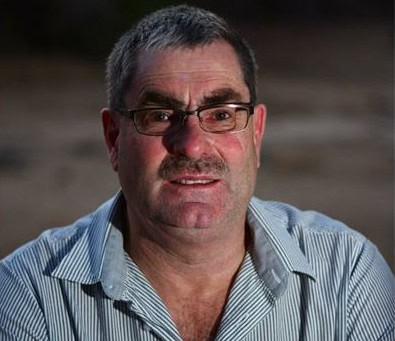
The South African Veterinary Association (Sava) has raised concerns over the recent termination of USAID funding, which has affected health services, including critical veterinary programmes.
According to Sava’s Dr Paul van der Merwe, the USAID’s global health initiatives extend beyond human health, playing a crucial role in addressing zoonotic diseases – those that can be transmitted between animals and humans.
He said these programmes formed part of the One Health approach, which acknowledged the intricate connections between human, animal, and environmental health.
Also read: USAID funding cuts leave thousands of Witkoppen Clinic HIV patients at risk
He believes that the withdrawal of the funding in South Africa jeopardises disease surveillance, veterinary public health efforts, and the management of animal health emergencies, posing a direct risk to human health through potential zoonotic disease transmission.
“South Africa is already facing a critical shortage of veterinarians, a problem exacerbated by the emigration of professionals seeking better opportunities abroad,” he said. “Over 100 veterinarians leave the country each year, leaving South Africa with approximately 60 veterinarians per million people – far below the international standard of 200 to 400 per million.
“This shortage severely hampers the nation’s ability to control outbreaks of diseases such as foot-and-mouth disease and avian influenza, both of which have significant implications for food security and public health.”
Also read: Witkoppen Clinic assures public of continued care
He said without immediate intervention to retain veterinary professionals and secure alternative funding sources, the nation faced increased risks of disease outbreaks, compromised food safety, and significant economic repercussions.
“The long-term impact on veterinary services will depend on the South African government’s ability to address these challenges and allocate resources to mitigate the funding shortfall. Failure to act swiftly could weaken both animal and public health systems, heightening vulnerability to zoonotic disease outbreaks and endangering food security across the country.”
Witkoppen Clinic has also been affected by the funding cutback, which resulted in the withdrawal of 15 workers who provided crucial clinical support services, including patient file management, result coordination, and health education to promote HIV adherence.
Read more: Witkoppen Clinic’s Tswelopele Opt-In Service marks 2 years of booking an appointment made easier
“The most significant threat posed by this funding cutback is the clinic’s ability to maintain the current scale of its HIV programme services,” said the clinic’s Sbonga Shange.
The clinic appreciates past generosity and hopes that support can be extended once again. “Together, these challenges can be overcome, and we can continue to make a positive impact on the lives of those in need. Together, we can see the need and be the hope.”
Please visit www.witkoppen.org.za for more information or to donate.
Follow us on our Facebook, X, Instagram, and TikTok pages. Join our WhatsApp group for any story ideas you may have.