Centennial Schools shares how inclusive education can heal our nation
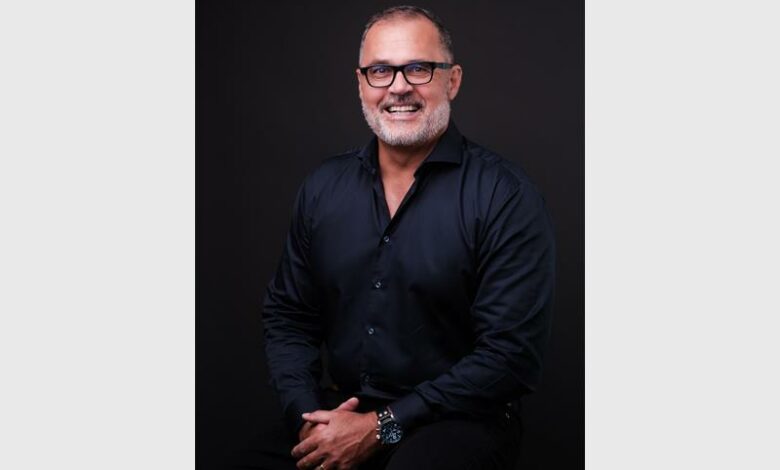
Shaun Fuchs, CEO and founder of Centennial Schools, advocates for reimagining schools as inclusive environments where all learners feel seen, valued, and empowered.
South Africa’s classrooms mirror the complexity of our broader society: a blend of cultures, languages, histories, and perspectives, working towards a common goal.
And, while this diversity is one of our greatest strengths, it brings with it the responsibility to actively foster inclusion, equality, and respect.
In a nation still reckoning with our history and the many inequities that persist, our education system holds tremendous power to either reinforce divides or to heal them.
For Shaun Fuchs, CEO and founder of Centennial Schools, it is clear which path we must take.
Also read: SA ranks last in maths and sciences – Centennial Schools have solutions
“We need to reimagine schools as inclusive environments where all learners feel seen, respected and empowered. Diversity is not a ‘nice to have’ – it is a national imperative. In our country, with 12 official languages and over 50 cultural groups, inclusion should not be treated as a theme for one day a year. It must be embedded in the school curriculum, reflected in leadership, and lived out in culture,” said Fuchs.
He added studies from Unesco and the Organisation for Economic Co-operation and Development showed that inclusive education led to better academic outcomes, stronger social cohesion, and improved emotional well-being.
“When students see themselves – their physical identities, languages, traditions, and lived experiences – reflected in the materials they learn from, the peers they learn with, and the people who teach them, they develop a deeper sense of belonging. It is not just about who is in the room. It is about who is being seen and heard.”
Also read: Centennial School’s founder shares how AI can reboot SA’s education system
He said this went beyond representation in textbooks; it was also about challenging stereotypes, fostering intercultural understanding, and creating safe spaces where difficult conversations could happen.
“Inclusion does not mean pretending that there are no differences; it means engaging with them meaningfully. This requires schools to model respectful dialogue and critical thinking, helping students unpack bias, question assumptions, and learn how to engage across lines of difference.”
Fuchs believes that the traditional schooling model in South Africa has remained largely unchanged since before democracy, often failing to prepare learners for a modern, multicultural world.
Read more: Centennial Schools believes in using AI for future ready students
“Future-forward educators are involving students as stakeholders in their education. These students are an integral part of shaping a learning environment that reflects the realities of the country they are growing up.
“We are not preparing students to succeed in a vacuum. We are preparing them to thrive in workplaces, communities and countries where empathy and collaboration matter more than ever.”
He said inclusion was about identity. It was about giving young people the tools to understand who they were and to respect who others were. “When schools get this right, they do not just produce better students. They help build a more unified, understanding South Africa.”
Follow us on our Whatsapp channel, Facebook, X, Instagram, and TikTok for the latest updates and inspiration! Have a story idea? We’d love to hear from you – join our WhatsApp group and share your thoughts!