TBA still selling champions after 40 years
South Africa’s multi-million rand horseracing industry icon realizes 40 years of sales.
Despite challenging economies, the horse-racing industry is good money for South Africa’s economy with international trade and niche markets, as well as races such as The Durban July and Cape Town’s historic J & B Met that spur horse-racing profits.
According to latest reports from Price Waterhouse Coopers, horse racing’s importance to the economy has remained the dominant component of the sports-betting market since 2014, at R1.9-billion, compared with R1.6-bn for other sports events.
Additionally, betting on sports events has driven the market with a 75 per cent increase over the past five years.
But it is the Thoroughbred Breeders Association (TBA) and its sales arm, Bloodstock South Africa (BSA), located in Gosforth Park, which is the nucleus of this industry and where a racehorse begins its career.
Established in 1921, the TBA has and continues to serve the breeding industry and sell world-class winners.
Not only is the organisation entrenched as the crux of the horse-racing industry, but its golden history is just as pivotal, extending to six original South African horse-breeding farms that remain, to this day, loyal TBA members.
This year the TBA honours those farms and celebrates 40 years of National Yearling Sales hosted at its world-class BSA sales complex in Gosforth Park.
This year also marks a significant milestone as the 110th year of National Yearling Sales.
The National Yearling Sale takes place from April 27 to 29 this year.
The sale has its origins in 1907, when the predecessor to the current National Yearling Sale held its first auctions under the auspices of the Witwatersrand Agricultural Society.
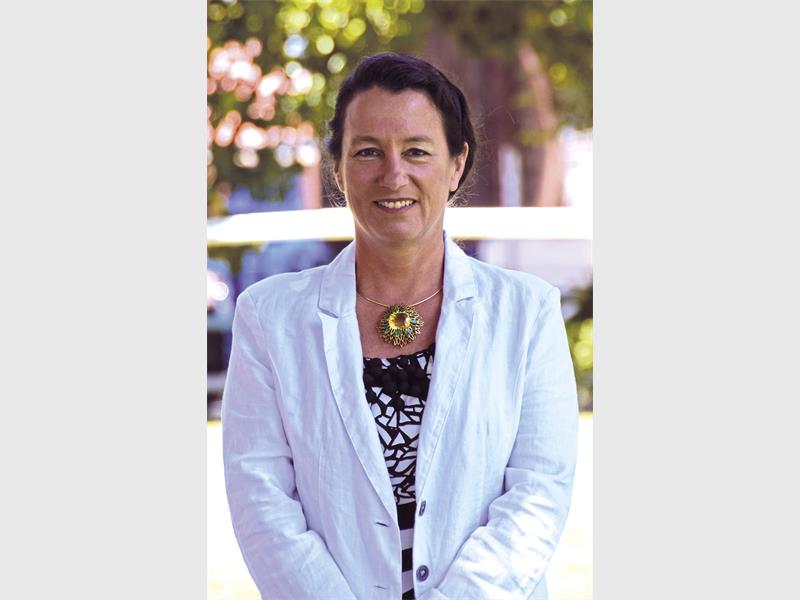
Susan Rowett, chairperson of the TBA since 2013, and the first woman ever to spearhead the organisation said, “The TBA auction sales are supported by small- to large-scale buyers.
“We’re a reputable sales company with a proven track record of champions coming from our sales.
“We run sales for the benefit of the breeders, unlike a private enterprise sales company.
“The surpluses from these activities are used to foster and promote the interests of the breeding industry.
“Results show that in just three years from 2012 to 2015, over R4.3-m arising from TBA auction activities was contributed to equine health and research.
“With new betting opportunities emerging, racing operators have endeavoured to compete by attracting crowds with innovations such as music and prawn festivals at race meetings.
“However, the classic beauty of the horse is probably most elegantly celebrated at the L’Ormarins Queen’s Plate, which has seen a rapid rise in acknowledgement as one of the greatest race days globally.
“To grow betting turnover, race day needs to be enjoyable, as well as informative. Then betting will follow.”
And while thoroughbred racing waxes beneficial in the markets, South Africa has its rich historic origins in horse breeding to thank.
- Six original South African stud farms entrenched in history:
There are a handful of different families who took part in the original sale at the TBA’s BSA sales complex 40 years ago, who are still active in breeding.
These are the racehorse breeders who are rooted firmly in the industry and are spread across the country.
The following stud farms, all of whom are TBA members, are the original breeders with staying power both on and off the race track.
- Highdown Stud, established by the Scott brothers, the original owners of Scott shoe stores, was established in 1967 in KwaZulu-Natal.
- David Southey’s Southford Thoroughbred Stud was purchased in 1960 by David’s late father, Percy Southey after the family farm was expropriated with the building of the Gariep Dam and further established by David in 1966.
- The Gary Player Stud has been the stomping ground of world-record equine athletes since 1883. The Ellis family bred numerous champions and stud book dynasties before Gary Player acquired the farm in 1974.
- Ascot Stud in Port Elizabeth, owned by Rose Parker, transitioned from a dairy to a stud farm in 1968 and Rose, together with her veterinarian son Ashley, has bred outstanding racehorses, making an impactful contribution to the broodmare band in South Africa.
- Ken and Lynne Twort own Barton Hall Stud situated in Mooi River, KwaZulu-Natal. Originally from Zimbabwe, the couple currently stand 10 of their own mares and an additional 20 boarders.
- Neil and Lyth Orford have been breeding horses at Bosworth Stud just outside Klerksdorp since they got married in 1968 and have produced close to 20 Group 1 winners with a Durban July winner, Heavy Metal in 2013/14.
South Africa’s TBA differs from other similar organisations in different countries in that is has its own auction sales activity.
Breeders can sell their yearlings on their own association’s sales, knowing that the profits earned will be used for the benefit of the industry.
As members they receive an annual report from the association detailing performance.
The TBA promotes and encourages the breeding and generic improvement of thoroughbred horses while safeguarding and advancing the interests of thoroughbred breeders.
It represents all breeders in a democratic way and is independent of any one breeder.
Its strength is its independence, which ensures its continuity.
Breeders, owners and sales companies come and go, but the TBA will continue to nurture the interests of breeders, striding with confidence into the future, to improve the industry.
Other articles you may be interested in:
TBA announces new lifestyle partnership with Sun International
Thoroughbred Breeders Association shares 2015 sale results