
Bertha Gxowa shares the importance of reproductive health
Reproductive health is a state of complete physical, mental and social well-being and not merely the absence of disease.
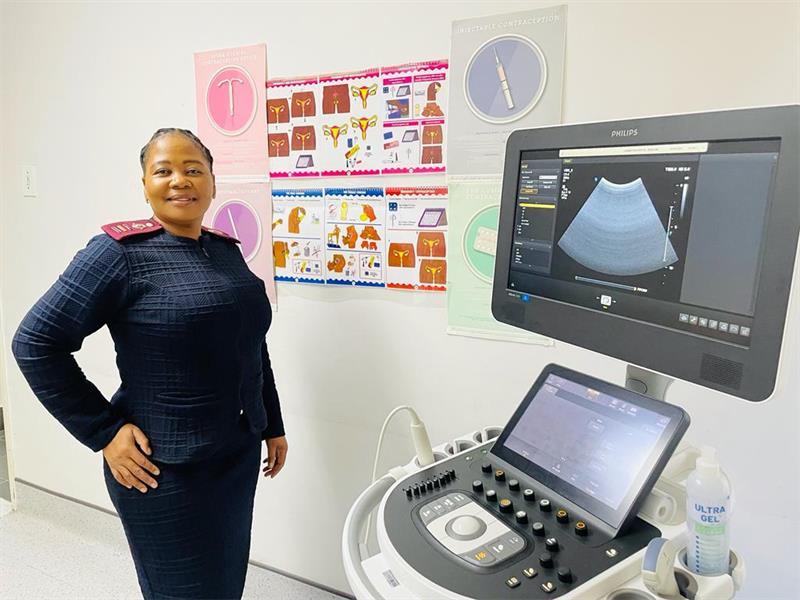
The month of February was Reproductive Health Month.
ALSO READ: Why nutrition is crucial to mental health
The month focused on raising awareness about sexual and reproductive health issues and reducing the spread of sexually transmitted infections (STIs).
Bertha Gxowa Hospital’s sister Tebogo Lesia, who is responsible for women’s health clinic services at the hospital, shared the importance of reproductive health and how as the hospital they ensure people are educated on the subject.
“Reproductive health rights rest on the recognition of basic rights of all couples and individuals to decide freely and responsibly the number, spacing, and timing of their children. At the hospital, we provide the information so that they can make decisions concerning reproduction free of discrimination, coercion, and violence,” said Lesia.
She reminded that women enjoy the following:
• The right to decide whether and when to have children. Women should have access to contraceptive methods they want and decide when to terminate the pregnancy.
• Right to life. Women should not die due to unsafe termination of pregnancy.
• The right to dignity and bodily integrity. Young women should be able to consent to the termination of pregnancy.
• The right to freedom from discrimination. No woman should be denied termination of pregnancy care or provided in a judgmental and punitive manner.
“Reproductive health is a state of complete physical, mental and social well-being and not merely the absence of disease. It helps in educating people to make their own decisions about sexual and reproductive health,” said Lesia.
She said as the hospital they educate about and create awareness about safe sexual practices.
“We also aim to prevent sexually transmitted infections including HIV/Aids and provide complete knowledge about early pregnancy, infertility, and contraceptive methods, post-childbirth care of the baby and mother.”
She urged women and the youth to use the hospital service.
“We offer contraceptive methods and family planning, the choice on termination of pregnancy (both surgical and medical), cervical cancer screening including colposcopy and large loop excision of the transformation zone, ante-natal and post-natal care and tubal ligation (female sterilization),” said Lesia.
She urged parents to take their girls for the human papillomavirus, which is the main cause of cervical cancer.