
Primrose and Germiston in focus as SAPS, SANDF intensify crime fight
Government and Parliament have stressed that the SANDF deployment is a short-term, time-limited intervention and not a permanent solution to crime.
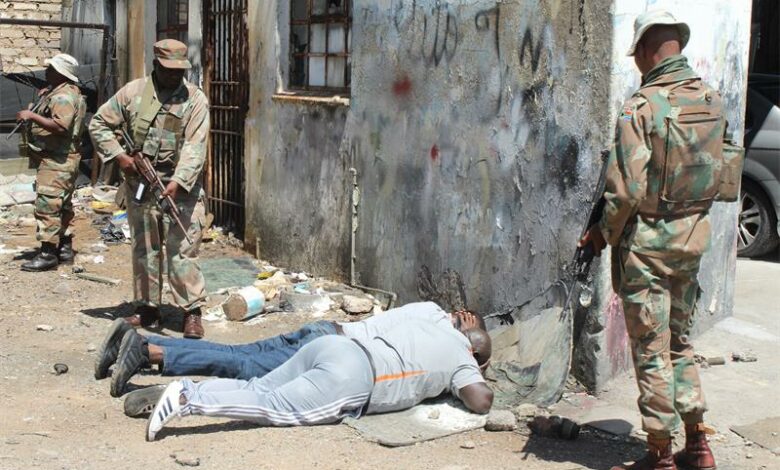
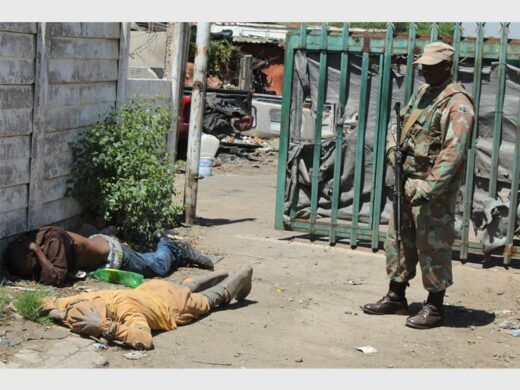
The SAPS and the South African National Defence Force (SANDF) have joined forces to tackle illegal mining and organised crime.
The main focus is on identified hotspots.
The objective of the SANDF deployment, in co-operation with SAPS, is to stabilise priority crime hotspots where organised criminal networks have entrenched themselves.
The operation also aims to disrupt and dismantle syndicates involved in illicit mining and gang-related violence.
ALSO READ: Ramaphosa deploys SANDF to fight illegal mining and gang violence
Authorities further intend to restore law, order and peace in affected communities, ensuring that residents can live without fear.
Residents of Ekurhuleni will be looking to have some these operations in their areas, especially areas like Primrose and Germiston where illegal mining has been rife.
Illegal mining activities continues to shake up the community and damage public infrastructure, like roads, sewer and water pipe lines.
The deployment seeks to reclaim territory controlled or influenced by criminal networks and firmly reassert the authority of the State, while reducing serious and violent crime through sustained enforcement and intelligence-driven operations.
The government has identified organised crime, including gang violence and illicit mining, as an immediate threat to public safety and economic stability.
ALSO READ: Four suspects arrested for illegal mining in Primrose
The deployment is intended to support SAPS in areas where criminal syndicates are heavily armed and dangerous.
Current operations are mainly focused on Gauteng, Western Cape, North West, Free State and the Eastern Cape, which have been identified as hotspots for gang violence and illegal mining activities.
The SANDF’s role includes providing protection during high-risk police operations, supporting cordon-and-search operations, and securing critical infrastructure and crime hotspots.
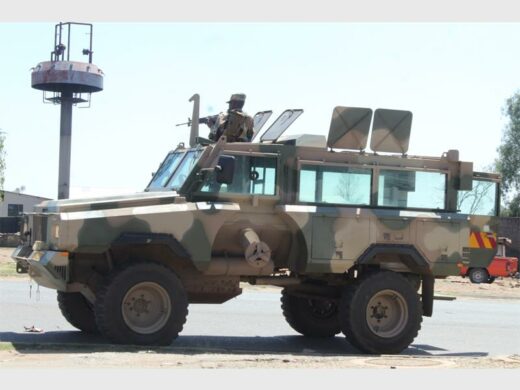
This allows SAPS to focus on investigations, arrests and prosecutions.
Soldiers do not replace detectives or prosecutors
The SANDF can only arrest civilians under very limited circumstances as provided for by law.
However, under certain conditions they may apprehend offenders during such deployments.
ALSO READ: Cleveland illegal mining raid leads to nine arrests
Government and Parliament have stressed that the SANDF deployment is a short-term, time-limited intervention and not a permanent solution to crime. Long-term safety depends on strengthening policing, the courts, intelligence systems, social interventions, and active community involvement in fighting crime.
The president is constitutionally empowered, in terms of Section 201(2)(a) of the Constitution, to deploy the SANDF internally to support SAPS, provided Parliament is informed, objectives are clearly defined, and costs are disclosed.
This process has been followed in line with constitutional requirements.
South Africa has previously deployed the SANDF domestically under operations such as Operation Prosper during the Covid-19 pandemic, particularly to support police during periods of severe unrest or instability.
Experts and Parliament agree that while soldiers can assist SAPS in stabilising volatile areas, they cannot on their own dismantle criminal networks. Sustainable solutions require effective policing, successful prosecutions, anti-corruption measures and community-based prevention programmes.