Elspark residents demand action after six-year battle with pollution and foul stench
Residents of Elspark and surrounding areas have endured years of sulphuric odours, water discolouration, and sewer failures, prompting calls for urgent municipal action, stricter industrial regulation, and improved transparency to protect public health.
In October, the Germiston City News published an article about the six-year-long battle over air pollution in Elspark and the surrounding areas.
Proportional representation councillor for the CoE, Sally Nene and Ward Clr Kade Guerreira meeting with residents at the School of Achievement, as it is also affected by the stench.
For nearly six years, residents of Elspark and the surrounding areas have endured an unbearable stench that fills the air daily, a smell described as “sulphuric” or “like rotten eggs”. Residents at the meeting said they had complained many times, but the city ignored them.
ALSO READ: Two new ActionSA councillors sworn in to serve the City of Ekurhuleni
On November 28, a feedback meeting was convened at the school with a city official. It addressed ongoing concerns about water quality, sewer failures and the persistent stench.
The engagement highlighted long-standing infrastructure challenges, rising environmental health concerns and growing frustration over the slow municipal response.
Community members complained about discoloured tap water, chemical odours, calcification in household pipes, and possible health impacts.
Several recurring illnesses in the area are attributed to pollution from mines and poor air quality. The municipality acknowledged many of the concerns, pointing to aging infrastructure, industrial effluent, and illegal dumping as major contributors.
ALSO READ: City of Ekurhuleni highlights urban planning as key to inclusive development
Aging infrastructure at breaking point
Municipal engineers confirmed that several sewer lines and key water systems in Elspark are outdated and deteriorating. Upgrades are underway, but progress has been slow.
A planned phase 2 upgrade aims to overhaul the main sewer outflow system, which frequently collapses under pressure.
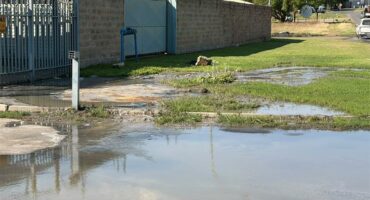
Illegal connections and vandalism continue to worsen blockages and contribute to wastewater overflow into surrounding areas.
Contractors responsible for drain cleaning and repairs were also placed under scrutiny, with residents demanding improved accountability and faster turnaround times.
Industrial pollution and weak penalties
Industries in the surrounding region were flagged as heavy users of municipal water, discharging large volumes of effluent into the sewer system. While there is compliance monitoring, officials admitted that the current fine structure is insufficient to deter repeat violators.
Fines range from R4 000 for a first inspection to R15 000 for a third, with additional penalties based on laboratory results.
However, the officials said many companies simply absorb the costs and continue non-compliant behaviour.
Residents and environmental groups called for stricter enforcement, clearer escalation measures and potential legal action for repeat offenders.
ALSO READ: City of Ekurhuleni leads in air quality management and public health initiatives
Environmental health risks highlighted
Officials reported that monthly sampling of local rivers and reservoirs is done, but community members questioned why recurring water pollution persists despite ongoing testing.
Concerns around acid mine drainage, industrial waste and illegal dumping were raised as threats to natural ecosystems and public health. Residents are concerned about the rising respiratory illnesses and cancers in the area, prompting calls for collaboration with health authorities to investigate potential links.
Community education and reporting gaps
A recurring theme was the lack of community awareness on how to report blockages, vandalism and dumping. The municipality said many cases remain unresolved because they are not reported through official channels.
Residents were encouraged to use the municipal reporting app to ensure faster responses. However, many called for a stronger public awareness campaign to simplify reporting processes.
Calls for transparency and stronger governance
One of the strongest demands from residents was improved transparency. They asked that the municipality publish water quality data, including pH levels and compliance reports, to rebuild trust.
The meeting also highlighted concerns over poor follow-up on previous reports. Community members said many issues are logged but not resolved, and that there is poor communication from officials. Calls were made for political leadership to intervene and prioritise infrastructure investment, monitoring and enforcement.
ALSO READ: Residents urged to save water as City of Ekurhuleni keeps usage low
Proposed solutions and next steps
Municipal departments presented recommendations to address the crisis:
• Increase the frequency of water and effluent testing and publish results publicly;
• Launch community education campaigns to curb illegal dumping and encourage proper reporting;
• Fast-track the phase 2 sewer upgrade and plan long-term pipeline replacement;
• Introduce stronger penalties for repeat industrial offenders, including potential shutdowns and court action;
• Work with environmental and health authorities to assess long-term impacts of pollution;
• Improve contractor oversight and establish a clear follow-up process for all reported issues;
• Explore partnerships with NGOs and the private sector for community-level water filtration and ecosystem restoration.
A follow-up meeting will be scheduled with political representatives and local leaders to track progress. The municipality committed to creating an action-tracking dashboard to ensure transparency and accountability moving forward.