Community safety brings services closer to people
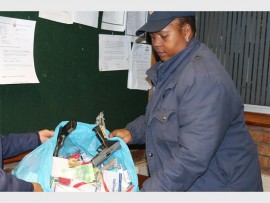
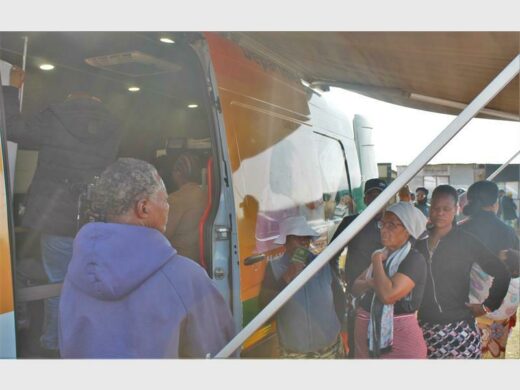
The residents of Mpilisweni informal settlement received help in registering for IDs and birth certificates during the GBV awareness campaign.
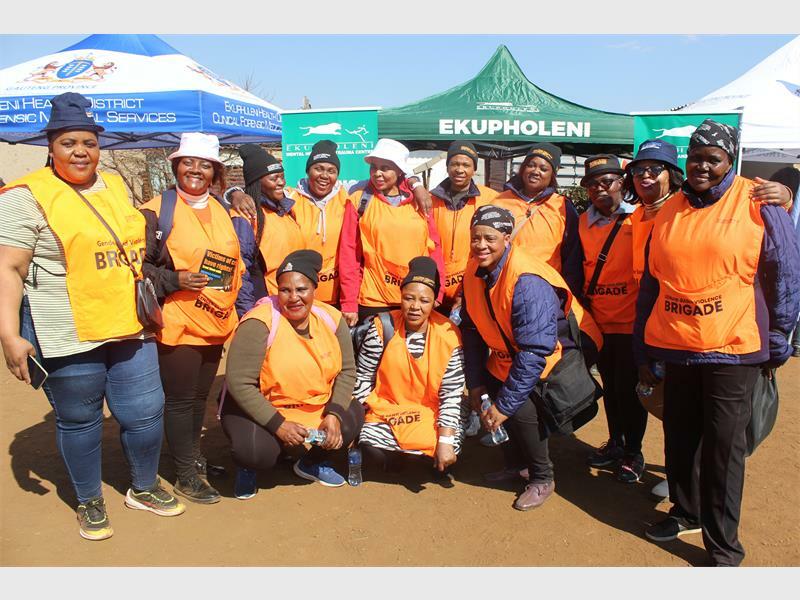
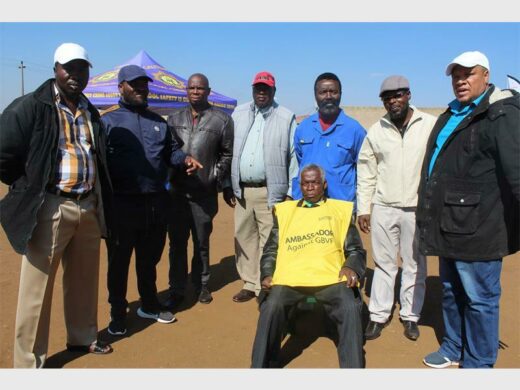
The Gauteng Department of Community Safety (GDCS) held gender-based violence (GBV) awareness campaign at Mpilisweni informal settlement, Thokoza, on July 28.
The GBV brigades also conducted a door-to-door campaign, engaging with the informal settlement dwellers to educate people about GBV and identify victims to offer them support and advice.
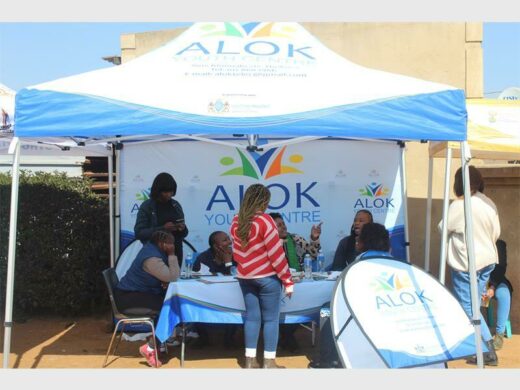
Other stakeholders also present included Thuthuzeka Care Centre (TCC), Ekupholeni Mental Health and Trauma Centre, SANCO Khumalo Mhlali branch and Alok Youth Centre. They were stationed at an open field via Serema Street, where they had set up pavilions for the community to access.
GDCS also invited various government departments to serve the community. These include the Gauteng Department of Home Affairs, Sassa, SAPS, Thokoza CPF and Ekurhuleni Health District Clinical Forensic Medical Services.
However, most people visited Serema Street to get the GDHA services. Many people queued to register identity documents (ID) and birth certificates for their children, while others wanted to replace their old green book IDs with smart ID cards.
Khehla Khambule from the GDCS said it is a known fact that the people living in the informal settlement do not have birth certificates and IDs.
He said they invited the GDHA to render those services to people without having them bear the travel costs to go to their offices.
“Other stakeholders as the Gauteng Department of Health shared health advice and conducted screening, blood pressure and sugar diabetes tests,” said Khambule.
He said the GDCS is assisting people who have complaints against the police, like those ill-treated or have reported cases but never received feedback.
A resident, Dumisani Majozi, said he went to home affairs to register for a smart ID.
“I have an ID, but it is old. It gives me problems when they have to scan it. The process of replacing it was easy. They told me I had to bring my old ID and R140. They assisted me and I cannot complain because the workers are friendly,” said Majozi.
The hostel indunas expressed gratitude to the various stakeholders who joined hands in supporting the community.
Hlulukwenza Zondi said the initiative was much needed for people to register for IDs and birth certificates for children.
“The challenge we face is that of people who want to change their old IDs. Many people wanted to change them and register for smart IDs.
The problem is they do not have the money. I met some of them who said they do not have R140 as they are unemployed,” said Zondi.
He confirmed the challenge of GBV is prevalent at hostels and affects both men and women.
“Various things cause this issue, but the common one is cheating. They report cases to us and we refer those cases beyond our capabilities to the SAPS.”
He said another challenge is prostitution. He emphasized they do not want prostitutes who conduct their business at the hostels.
“We are strongly against it and have reported it to Thokoza SAPS because we have children who can see what is happening,” he said.
The chairperson of Thokoza CPF Moeketsi Motaung said most GBV cases are about assaulting women, including the youth and teenagers.
He said the main challenge with GBV is situations where the perpetrator is the breadwinner.
He explained women report cases but end up withdrawing them when they head to court because the perpetrator is the breadwinner.
“More so for women who have children. Their reason is that should the breadwinner get arrested, the family could not put food on the table,” said Motaung.
“We support this initiative as it partners with other stakeholders to bring services to the people. We go to the community and talk about the challenges we encounter. We advise them to say you cannot allow them to stay when assaulted because they are not safe. You might end up getting killed.”
Rainy Mosima Radaba, operational manager at TCC, said they came to educate victims of GBV on how to report and where to get help.
She said if a person has been assaulted either physically, sexually or domestically, they must report it at a police station or visit the TCC offices at Thelle Mogoerane Regional Hospital at Vosloorus.
“TTC means comfort in one place. They will find the police, the National Prosecuting Authority and social workers in one space,” said Radaba.
“We work 24 hours for the whole year. With nothing required from the victims, you will get medical treatment and psycho-social support,” he said.
For support, residents may contact TCC at 063 251 9018, Ekupholeni at 011 909 2929, Thokoza CPF at 076 887 6334, or GBV brigades at 071 876 6549.