
Safeguarding Youth: Essential tips for a safer South Africa
From navigating school surroundings to handling emergencies, learn how open communication and proactive measures can empower the youth and help them stay safe in an increasingly complex world.
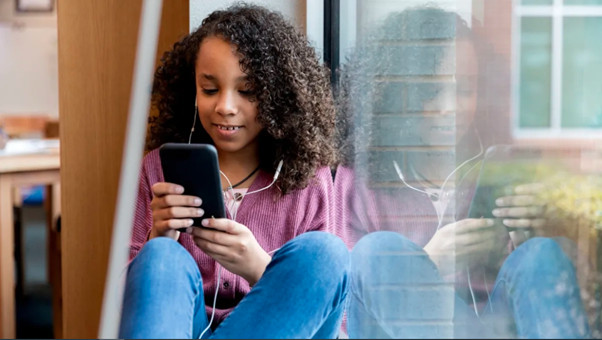
Safety must be a priority for everyone—especially teenagers and young adults, who are particularly vulnerable to crime. Sadly, South Africa continues to experience alarmingly high rates of crime and violence, with young people often among the most targeted.
Youth Month is a timely reminder for parents and caregivers to renew their commitment to protecting our youth.
“A good place to start is by equipping young South Africans with practical safety skills.”
Hattingh explains that there’s much to be done to improve safety around schools and offers key advice for Youth Month.
“Areas near schools can attract opportunistic criminals. Children who walk with their cell phones visible are easy targets. We’ve seen cases where learners are held at knifepoint or tricked into handing their phones to strangers claiming to need help.”
Other common crimes near schools include hijackings of parents waiting to pick up their children, armed robberies, and vehicle theft.
“Criminals count on parents being distracted during school drop-offs and pick-ups. People are often absorbed in their own routines, rarely paying attention to their surroundings. This makes them—and their children—vulnerable.”
If your children are still in school, teach them to never leave the premises with someone they don’t know. Encourage them to wait inside the school grounds until they are picked up. If they usually walk home, they should do so in groups, stick to familiar routes, and avoid isolated areas.
Hattingh adds that parents should talk to their children—regardless of age—about how to handle emergencies and avoid dangerous situations.
“Your children need to know that there are good, trustworthy adults who can help. Do they know how to contact the SAPS or law enforcement? Have you shown them how to identify a security officer in a busy public space if you become separated?”
“Practice these scenarios with your children so you can gauge how prepared they are. We all share the responsibility of creating a safer world, and that starts by empowering children today.”
Finally, foster open communication with your teens. Let them know they can speak freely, report concerns, and seek help when needed. Empowering them starts with listening to them.