
WATCH: Protest marches disrupt Germiston economy as shops close and police monitor key hotspots
Parts of Germiston’s local economy have been disrupted as tuck shops, salons and other small businesses remain closed amid ongoing protest marches, with police deployed at key areas including Golden Walk Mall.
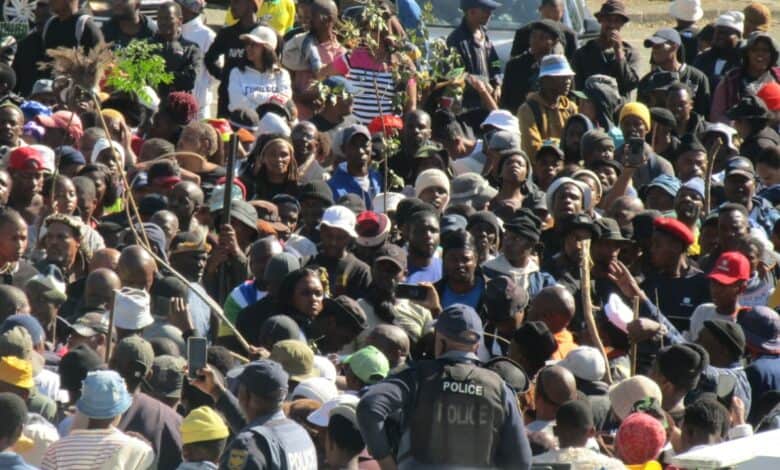
The local economy has been disrupted in parts of Germiston as many tuck shops, salons and other small businesses remain closed amid ongoing protest marches.
Law enforcement officers have been deployed at Golden Walk Mall to monitor the area, while a number of business operators have opted to close their doors as a precaution.
ALSO READ: WATCH: Scores gather near Germiston CBD as march activity begins ahead of planned protest
Although today would ordinarily be a normal business day, activity on the ground tells a different story, with noticeably lighter vehicle traffic and fewer pedestrians in the streets.
Meanwhile, a group of marchers has been seen moving around the Germiston Spar and the Germiston Fire Station, with their numbers gradually increasing.

Authorities continue to monitor the situation, and residents are advised to remain vigilant and avoid areas where marches are taking place.

UPDATE 13:02 Germiston taxi rank activity drops as protests disrupt local trading and commuter flow
Local economic activity around the Germiston Taxi Rank has been noticeably disrupted, consistent with broader Ekurhuleni protest-related mobility slowdowns.
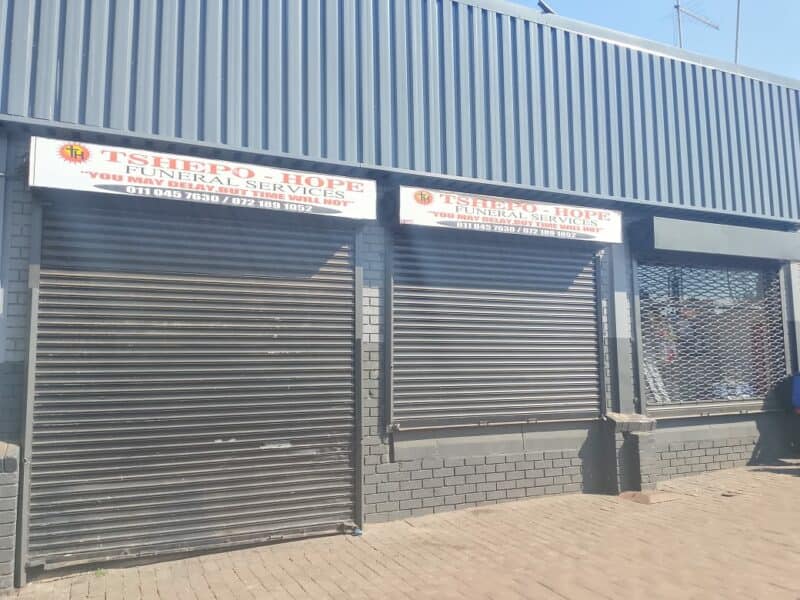
Foot traffic in the CBD corridor is reduced, which directly affects informal and formal traders who depend on commuter flow. Vendors are largely absent, and many usual trading points around the rank appear inactive. This creates a ripple effect: lower customer turnover for spaza shops, food stalls, and street traders.
Transport-linked services are also impacted.
Fewer taxis operating means reduced passenger circulation, which further suppresses demand for surrounding businesses such as retail kiosks and small service providers.
Overall, the taxi rank ecosystem, normally a high-density commercial node, shows reduced activity, with both supply vendors and demand commuters contracting at the same time.