Stroke care must continue beyond the emergency room
The initiative demonstrated how schools can become powerful platforms for health education, prevention and community awareness.
Stroke care must continue beyond the emergency room.
A partnership between FAST Heroes, Netcare, the Angels Initiative and the Stroke Survivors Foundation is highlighting the importance of recognising stroke symptoms early, responding quickly and supporting survivors throughout their recovery.
Stroke remains one of the leading causes of death and long-term disability worldwide. While rapid emergency treatment is critical, healthcare organisations and community initiatives are increasingly focusing on the entire stroke journey – from awareness and prevention to hospital care and long-term recovery.
ALSO READ: Ending the stigma: Why mental health matters
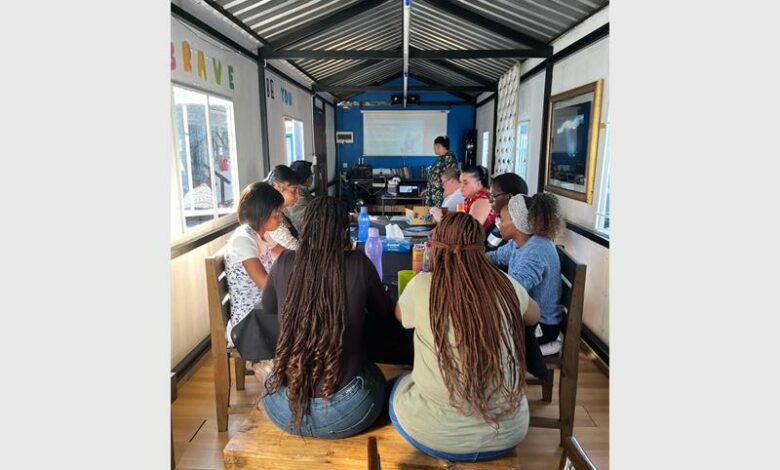
FAST Heroes, Netcare emergency services and the Stroke Survivors Foundation recently visited the School of Affirmation to empower teachers with the knowledge needed to recognise the warning signs of stroke and respond quickly.
FAST Heroes is an educational programme aimed at children aged five to nine and their teachers.
The programme teaches Foundation Phase learners how to identify stroke symptoms and what to do when someone may be experiencing a stroke.
Renatha, the national coordinator of FAST Heroes in South Africa, said the programme is designed to give children practical life skills while encouraging them to share what they learn with their families.
“We are aiming to teach Foundation Phase learners what the signs and symptoms of stroke are and what the emergency numbers in South Africa are,” she said.
ALSO READ: City of Ekurhuleni urges residents to share feedback on healthcare services
The programme also aims to create a ripple effect beyond the classroom.
“The aim is for children and teachers to take that information home and share it with their loved ones so that they can educate their families,” she said.
Bringing stroke awareness into schools
Teachers at the School of Affirmation took part in an interactive session using storytelling, visuals and discussions to learn how to recognise a possible stroke and why immediate action is essential.
The visit also included a health and wellness component, with Netcare healthcare professionals conducting health checks for teachers, including blood pressure and glucose screenings.
The initiative highlighted the role schools can play as platforms for health education, prevention and community awareness.
The BE FAST message provides a simple way of remembering the key warning signs:
B – Balance: Sudden loss of balance or coordination.
E – Eyes: Sudden difficulty seeing in one or both eyes.
F – Face: Ask the person to smile. Is one side of the face drooping?
A – Arms: Ask the person to raise both arms. Is one arm weak or drifting downwards?
S – Speech: Is speech slurred, strange or difficult to understand?
T – Time: Time is critical. Call for emergency medical assistance immediately.
“The message is deliberately simple because stroke recognition needs to happen quickly. Early recognition and rapid medical intervention can make an important difference to a person’s chances of receiving appropriate treatment and reducing the potential impact of stroke,” said Renatha.
Building stroke-ready hospitals
Public awareness must be matched by a healthcare system capable of responding effectively when a patient reaches hospital.
The Angels Initiative works to increase the number of stroke-ready hospitals and improve the quality of care within existing stroke units. Through healthcare professional education, training, quality improvement programmes and collaboration with hospitals, the initiative supports healthcare teams in strengthening stroke-care systems.
ALSO READ: Gauteng Health defends disciplinary action in negligence and misconduct cases
It aims to help ensure stroke patients receive the right treatment, in the right place and at the right time.
“A child may recognise that a grandparent’s face is drooping or that their speech has suddenly become difficult. A family member may then act quickly and call for emergency assistance. The next critical step is ensuring that the healthcare system is prepared to respond,” said Renatha.
Recovery continues after discharge
For stroke survivors, leaving hospital marks the beginning of another journey.
Rehabilitation, communication difficulties, emotional wellbeing, reduced independence, financial pressures and the demands placed on caregivers can continue long after the emergency has passed.
The Stroke Survivors Foundation (SSF), established in South Africa in 2010 by stroke survivors, is a survivor-led non-profit organisation supporting survivors, caregivers and families after discharge.
Its work includes peer support, caregiver education, community programmes and advocacy initiatives aimed at helping survivors rebuild their lives with dignity, confidence and connection.
A key component is Post Discharge Stroke Support (PDSS), which helps bridge the gap between acute hospital treatment and long-term recovery by connecting survivors and caregivers with support groups, educational resources, healthcare guidance and rehabilitation support.
Stroke survivor Hayle Porter said recovery could involve both physical and emotional challenges.
“Families and caregivers also need guidance and support as they adjust to the realities of life after stroke, process their own emotions, and learn how best to support their loved one throughout the recovery journey,” Porter said.
ALSO READ: Silent health risks affecting South African men may go undetected for years
A complete stroke-care pathway
The partnership between FAST Heroes, Netcare, the Angels Initiative and the Stroke Survivors Foundation demonstrates the importance of viewing stroke care as a continuum rather than a single medical event.
The journey begins with awareness and recognition, continues with emergency treatment and stroke-ready hospitals, and extends into rehabilitation, psychosocial support, caregiver education and long-term recovery.
FAST Heroes puts potentially life-saving knowledge into the hands of children, teachers and families. The Angels Initiative supports healthcare professionals and hospitals in strengthening stroke care, while the Stroke Survivors Foundation provides ongoing support to survivors and their families.
For the FAST Heroes team, the goal is to create a ripple effect: a child learns the signs of stroke at school, takes the message home, and helps a family member recognise the symptoms and act quickly when it matters.
“The message is simple: recognise, respond, recover. Recognise the signs. Respond without delay. Support recovery for the long term,” said Porter.
“Saving a life from stroke should not end when the ambulance arrives. It should continue until survivors and their families have the support they need to move forward.”