Ekurhuleni actress steps into Soul City legacy
The actress believes television continues to have an important role to play in educating young people about issues such as HIV, GBV, substance abuse, sexual health and other social challenges.
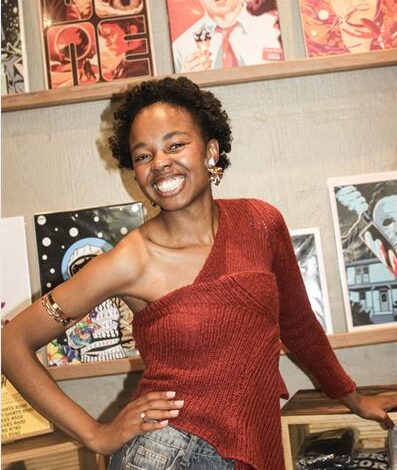
Ekurhuleni rising star Bohlokoa Nkalai (23) is flying the Ekurhuleni flag in her role in Soul City Rise, playing Dineo, a young woman navigating relationships, identity and belonging.
Speaking to Germiston City News, she said the role is more than a career breakthrough; it is an opportunity to become part of a television legacy while using her voice to address the realities facing young South Africans. A recent graduate with a degree in Live Performance, majoring in stage acting, Nkalai describes herself as deeply passionate about her Sesotho heritage, art, culture and fashion. But acting was not always part of her plans.
ALSO READ: Local actors star in a comedy film
Growing up, she was drawn to science and even attended an agricultural high school. After matric, she began her first academic journey at the University of Johannesburg before realising that her true calling lay elsewhere. She made the bold decision to leave that path and pursue acting at AFDA.
“I realised that maybe I had a different calling,” said Nkalai.
Her decision was also shaped by a desire to see more stories that reflected young women like herself. “I felt that there weren’t enough stories out there which represented girls like me,” she said.
Her ambitions have since grown beyond simply becoming an actress. Nkalai wants to use storytelling as a vehicle for social change and hopes to be part of a movement that changes the way people see themselves while helping audiences navigate the challenges they face.
She said that purpose has taken on an even greater meaning through her involvement in Soul City Rise, a series carrying the name and legacy of one of South Africa’s most recognisable socially conscious television productions.
ALSO READ: Savage Beauty star hosts acting masterclass in Ekurhuleni
When she discovered that she had been selected, excitement was quickly accompanied by a sense of responsibility.
“To be quite honest, I felt a lot of pressure because I understood the responsibility that the story and the role come with.
The opportunity is much more than being on television. It’s a platform to represent young women who experience gender-based violence and other social challenges,” she said.
She sees Soul City’s approach to tackling difficult subjects as an extension of her own desire to give back to the community.
“To me it means giving back to the community and championing the change that I want to see towards how young people navigate social ills,” said Nkalai.
The actress believes television continues to have an important role to play in educating young people about issues such as HIV, GBV, substance abuse, sexual health and other social challenges.
According to her, young people are among the most vulnerable members of society, yet they are also the country’s future, and seeing difficult issues represented on screen can make them more tangible and easier for audiences to understand and confront.
Without revealing too much about her storyline, Nkalai said viewers can expect to see growth in her character as she comes to understand that social challenges can affect people regardless of who they are.
Her journey alongside Dineo has also given her lessons that she hopes viewers will take away from the series. “Community is important. One doesn’t have to carry their struggles alone,” she said.
For a young actress stepping into a production with such a powerful history, the question of whether she feels pressure to live up to those who came before her is unavoidable.
She said she does feel the weight of expectation, but also sees it as an opportunity rather than an obstacle.
“I see this as an opportunity to continue the legacy of the first Soul City, with the understanding that the times have changed but the lessons can still be passed on. Education remains at the heart of that legacy,” she said.
Nkalai believes the social challenges facing South Africans cannot be viewed in isolation. “All the social ills deserve attention. There’s none that sits above the other; they are all interrelated. If we leave the others behind, it means that we’re leaving South Africans behind.”