Germiston graduates mark new chapter after rehabilitation programme
For most parents who attend the ceremony they all had stories and scars to share, but the message was clear recovery also means learning that failure does not have to be the end
The Gauteng Department of Social Development celebrated a new beginning for 50 former substance users in Germiston, recently.
For the former substance users who completed a six-week rehabilitation and skills development programme, receiving a certificate may mark the beginning of a new chapter.
But for their families, the journey towards recovery has been much longer, one marked by fear, heartbreak, broken trust and the unwavering hope of getting their children back.
ALSO READ: Gauteng Social Development clarifies food distribution centre operations
The special event was held at the DSD offices in Germiston on September 10, recognising their completion of a programme designed to help them rebuild their lives and reintegrate into their families and communities.
The beneficiaries underwent rehabilitation and skills development, receiving accredited certificates in trades including carpentry, bricklaying, plumbing and electrical work.
The department said the programme is intended to do more than address substance use. It aims to equip beneficiaries with skills that can help them become self-sufficient and access sustainable livelihood opportunities. The involvement of families, social workers, medical experts and other stakeholders is also considered critical in supporting recovery and preventing relapse.
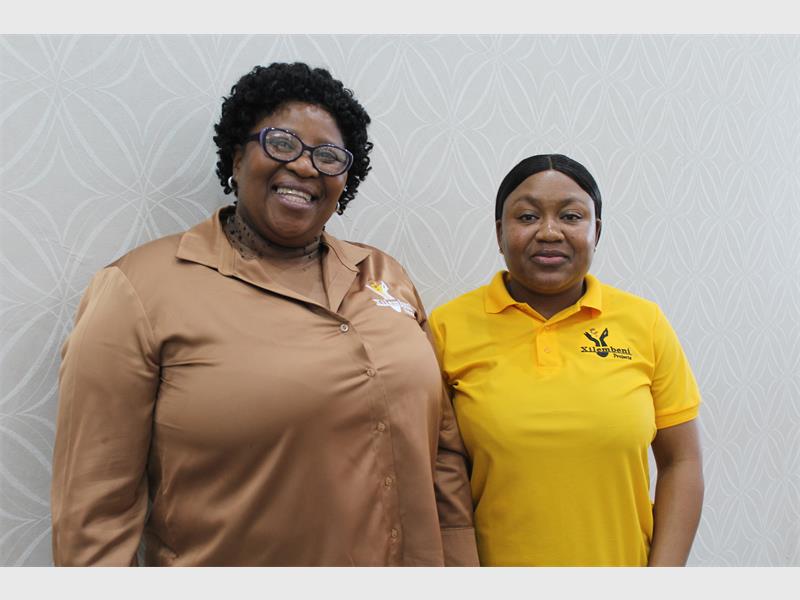
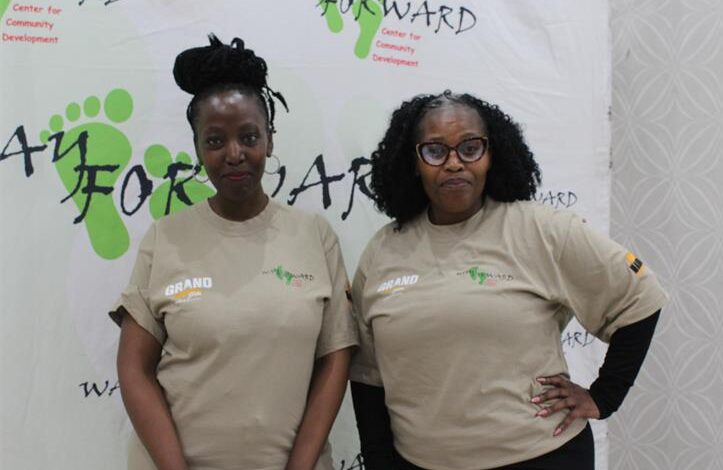
Organisations present included Xilembeni Projects, St Anthony’s Education Centre, Phumelela Sisonke Foundation and Way Forward Centre for Community Development. They shared their services and offered support to the former users, encouraging them to use these services to rebuild their lives.
While the ceremony celebrated new beginnings, for many parents it was also a reminder of the difficult road that brought their families to this point.
For the mother of 19-year-old Mpilo, watching her teenage son struggle with substance use has been one of the most difficult experiences she has faced as a parent.
ALSO READ: Social Development MEC: Protecting children is a community responsibility
“Drugs have taken away life for my son. A once striving young man who excelled in sport, collecting trophies and showing a promising future, just disappeared,” said Mpilo’s mother.
She said she found herself watching helplessly as her son began to change.
She described the mood swings and changes in character that can leave families confused and struggling to understand what is happening to their loved one.
“Family members do not want you around because they fear your son will steal. You end up not even being able to attend family events because of fear of what your child will do. It consumes the whole family and costs you relationships,” said Mpilo’s mother.
ALSO READ: Gauteng Social Development probed for unaccounted funds
Her advice to other parents is to seek help as soon as they begin noticing unexplained changes in their children. “Seek help as soon as possible if you notice changes that you do not understand about your child, before it gets worse or becomes harder to deal with. It can become a lifestyle that he enjoys and cannot let go of,” she said.
She said she can only be patient as a parent, knowing that things are not going to change overnight. She said days like these may seem small, but they are mini victories, though not a battle won.
It is a constant work in progress that requires continuous support.
“Be patient and understand that it is not an easy journey. It is the most challenging experience one will ever go through as a parent,” she said.
Thabo’s mother said her journey with the fight against drugs has been a tough one. Her son, in his 40s with two children, lost everything he worked for.
“My son had a business and was doing well. But it all vanished when he started using drugs,” she said.
She said she noticed something was wrong when he started selling his belongings and the business started struggling.
ALSO READ: Gauteng Social Development approves funding for NPOs
“It is painful to see your son losing himself and losing everything he worked for. As a mother you become defeated and wonder what went wrong,” she said.
She said trust can be damaged when promises are repeatedly broken, money disappears, and relationships become strained.
She said one of the most difficult things she had to do was to send her grandchildren to live with their mothers to prevent them from seeing what their father was struggling with.
“Despite the hurt, we continue to fight for our children to find a way back to us. Being here today, I hope that the person behind the addiction can find their way home, not only physically, but emotionally and mentally,” said Thabo’s mother.
ALSO READ: Gauteng Social Development marks Pride Month with a dialogue
Both mothers wish to see their sons heal on this journey. They want to see them standing on their own and accepting their mistakes rather than blaming everything and everybody for what is happening in the world.
“I want my son to regain the ability to live independently, learn self-love and self-respect, and understand the choices he makes. I want him to know how to choose in life, to understand the good and bad sides of life and to know how to live as a normal person,” said Thabo’s mother.
For Mpilo’s mother, her hope extends beyond simply staying away from substances.
“I want to see my son build a career, become financially independent and take pride in what he achieves,” she said.
For most parents who attended the ceremony, they all had stories and scars to share, but the message was clear: recovery also means learning that failure does not have to be the end.
The certificates they received were a symbol of rebuilding damaged relationships, earning back trust that may have taken years to lose, and creating a home where they can once again feel accepted.
The department said the certificates handed to the former substance users represent more than newly acquired skills.
They represent another chance: a chance to work, to rebuild, to take responsibility and, perhaps most importantly, to reconnect with the families who never stopped hoping for their return.
“For the parents who carried the burden alongside their children, the celebration is not the end of the journey. It is a moment to say there is still a way back,” said the department.