SAPS consultation in Ratanda highlights community concerns over policing and resources
Residents of Ratanda raised concerns over police visibility, response times and resource shortages during a SAPS public consultation aimed at improving service delivery across the Sedibeng District.
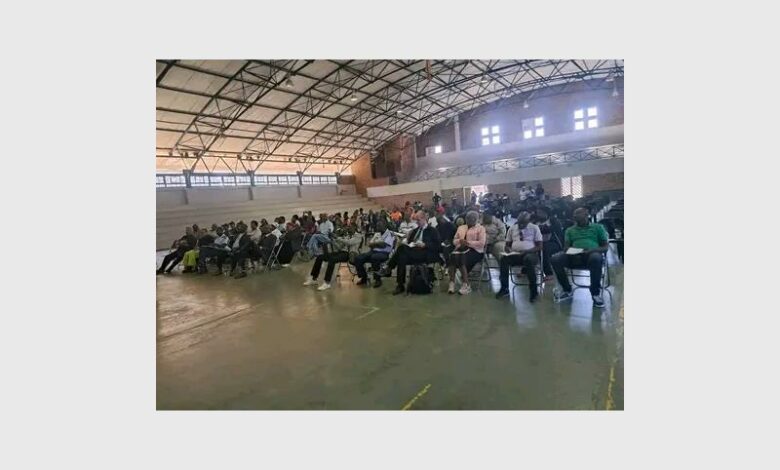
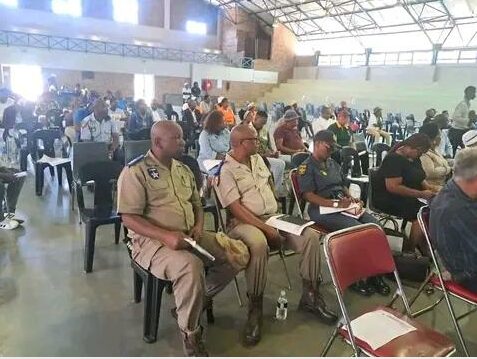
SAPS recently brought its revised Station Post Requirement public consultation process to Ratanda, giving community members an opportunity to directly influence how policing resources are allocated in their area.
The engagement, held at the Ratanda Multipurpose Hall, forms part of a broader consultation drive running from April 8 to June 30 across the Sedibeng District.
The process, now aligned under the public participation, aims to improve fairness, transparency, and service delivery within the police service.
Proceedings were led by Ratanda SAPS station commander, Lieutenant Colonel Mololeki Ramotshabi, with facilitation by Colonel Sambureni Mahundla from the Visible Policing Division, Brigadier Sabelo Mbeki from the Gauteng Provincial Head Office Legal Services, and other senior officials.
The session drew a wide range of stakeholders, including representatives from the Department of Community Safety, the Provincial Secretariat, the Provincial Legislature, the Department of Home Affairs South Africa, the Community Policing Forum (CPF), as well as the Gauteng and Lesedi Traffic departments.
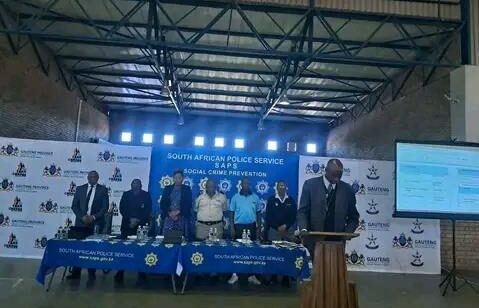
Members of the public also attended in significant numbers, using the platform to voice concerns and propose solutions to ongoing safety challenges.
Community members highlighted persistent issues, including limited police visibility, slow response times, and the need for better resource allocation in high-crime areas.
Local resident Thabiso Mokoena said the consultation provided a much-needed platform for residents to be heard.
“It is encouraging to see police coming to engage with us directly because we are the ones who experience crime on a daily basis. In many cases, we feel that our concerns are not fully understood or prioritised. We need more visible policing, particularly during the night, and faster response times when we report incidents. If resources can be distributed more effectively, it will go a long way in improving safety in our community,” he said.
Nomsa Dladla highlighted the importance of accountability and follow-through.
“This engagement gives us hope that our voices are being taken seriously and that there is a willingness to work together. However, it is important that these discussions lead to real change. We would like to see tangible improvements, whether it is an increased police presence, better communication with residents, or stronger partnerships between police and the community,” she said.
Community Policing Forum representative Sipho Ndlovu emphasised the need for sustained collaboration.
“Effective policing requires a strong partnership between police and the community. When resources are allocated fairly and communication is consistent, it becomes easier to build trust and work together to fight crime. These consultations are an important step, but ongoing engagement will be critical to ensure lasting impact,” he said.