Learners help restore armoured vehicles in Heidelberg Heritage Project
Learners from local schools joined SAWV veterans, SADFA Unit Suikerbos, MOTHS and the Voortrekkers in a hands-on heritage project at the Old Prison in Heidelberg, restoring two historic armoured vehicles while learning about South Africa’s military history.
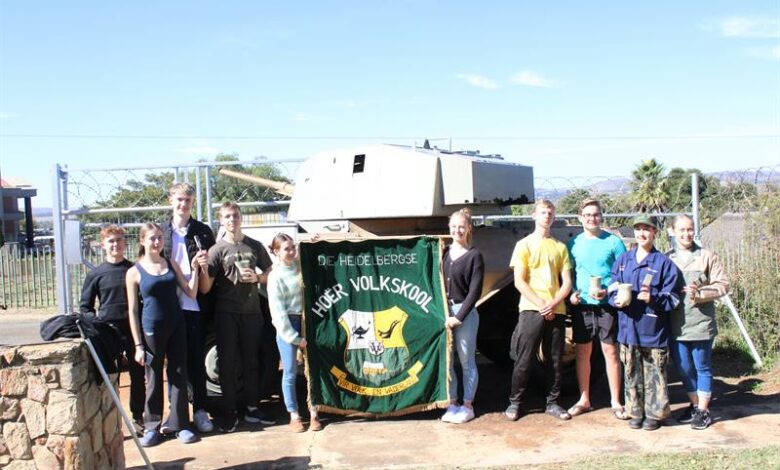
Learners from Laerskool AG Visser, Hoër Volkskool, The Christian School, and Suikerbos Voortrekkers took part in a cultural and historical restoration initiative on May 9 at the Old Prison in Heidelberg, where two armoured vehicles were repainted and restored as part of a heritage preservation project.
The initiative was led by veterans of the Suid-Afrikaanse Weermagte Vereeniging, from the South African Defence Force Association Unit Suikerbos, in collaboration with MOTHS, the Voortrekkers, and participating schools.
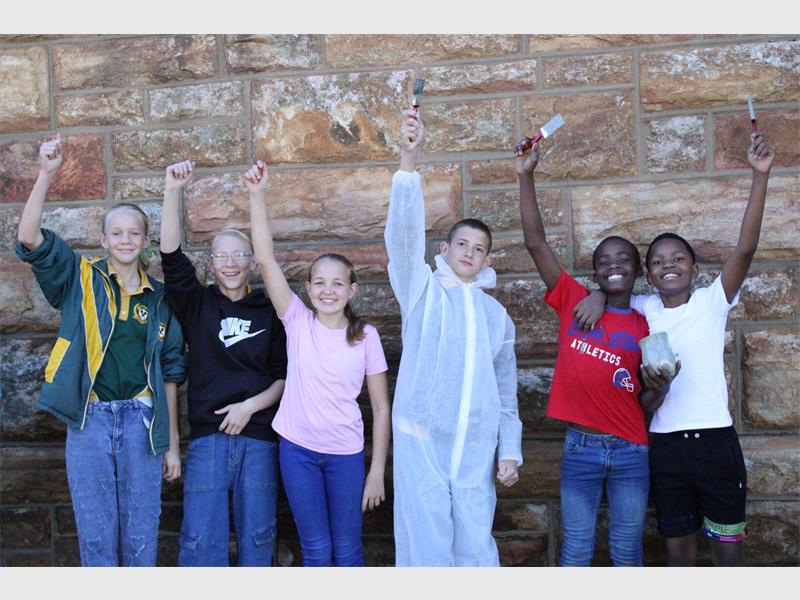
Photo: Esau Dlamini
The programme began with a historical briefing by Tony Burisch, who provided context on the origin, purpose, and significance of the two armoured vehicles before learners and volunteers commenced with the restoration work.
Frik van Niekerk of the South African Defence Force Association said the initiative carried a deeper meaning beyond the physical restoration of the vehicles.
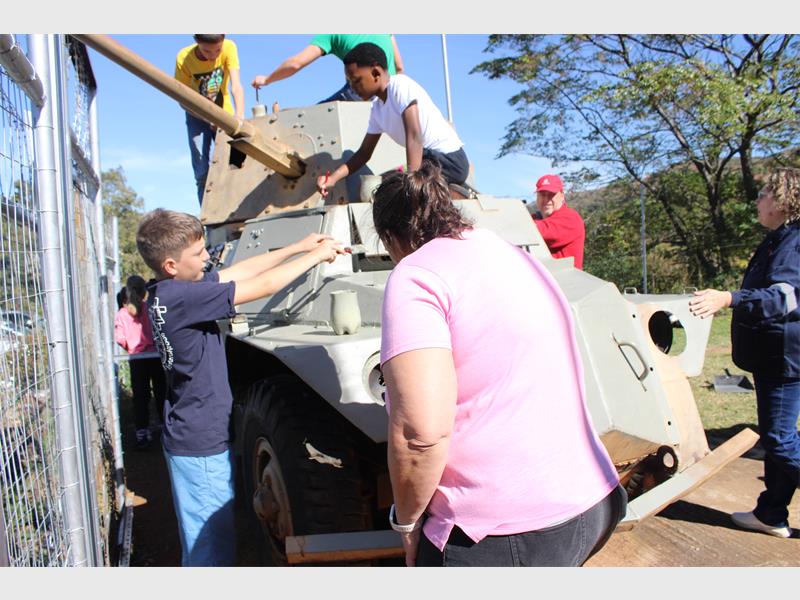
“This project is not only about repainting or restoring old armoured vehicles. It is about preserving a very important part of our history and ensuring that it is not forgotten.
“When young people take part in something like this, they are learning firsthand about the sacrifices, the service, and the stories that form part of our country’s past. It also helps build respect and appreciation for heritage, while strengthening the relationship between veterans and the younger generation,” he said.
Learners worked throughout the day under supervision, assisting in repainting and restoring the vehicles to improve their condition and appearance.
Linda Nel from the Suikerbos Voortrekkers said the project highlighted the importance of instilling historical awareness in young people.
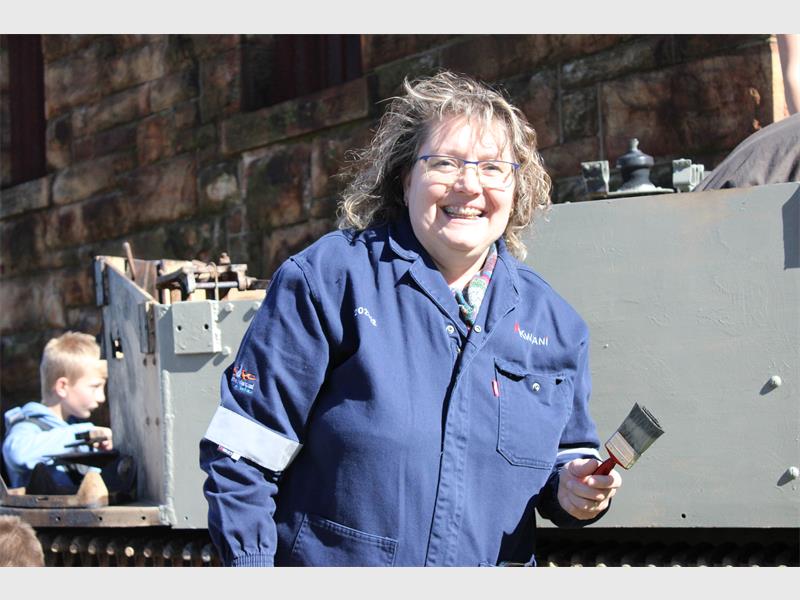
“Our history is something that must be actively preserved, not just remembered through words. When learners are given the opportunity to physically engage with heritage like this, it creates a deeper understanding and appreciation of where we come from as a community. It is important that we continue to encourage our youth to take pride in their town, its stories, and its legacy, because they are the ones who will carry it forward,” she said.
One of the organisers, Willem Pretorius from SAWV, expressed gratitude to all sponsors and community members who made the project possible, particularly those who contributed paint and materials.
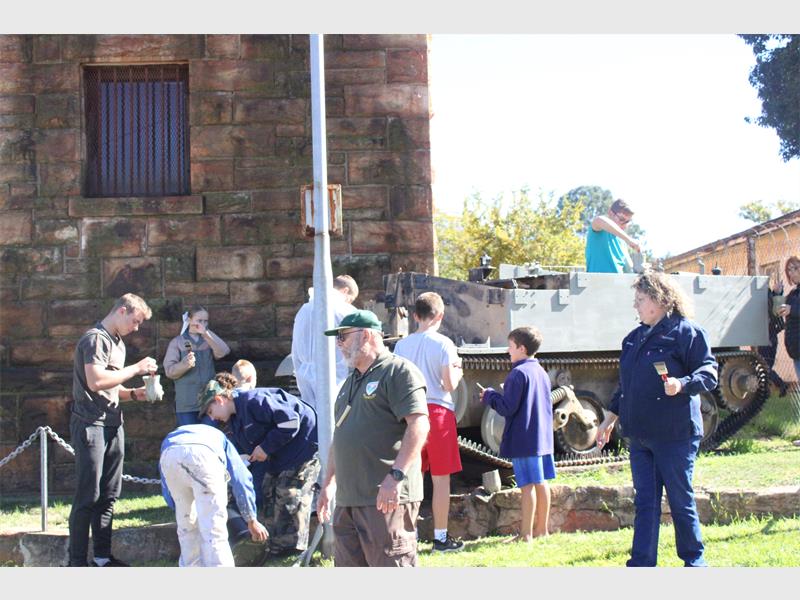
“We are truly grateful to our sponsors for stepping forward and providing the paint and resources needed for this project. Without that support, this restoration would not have been possible. It shows what can be achieved when the community works together.
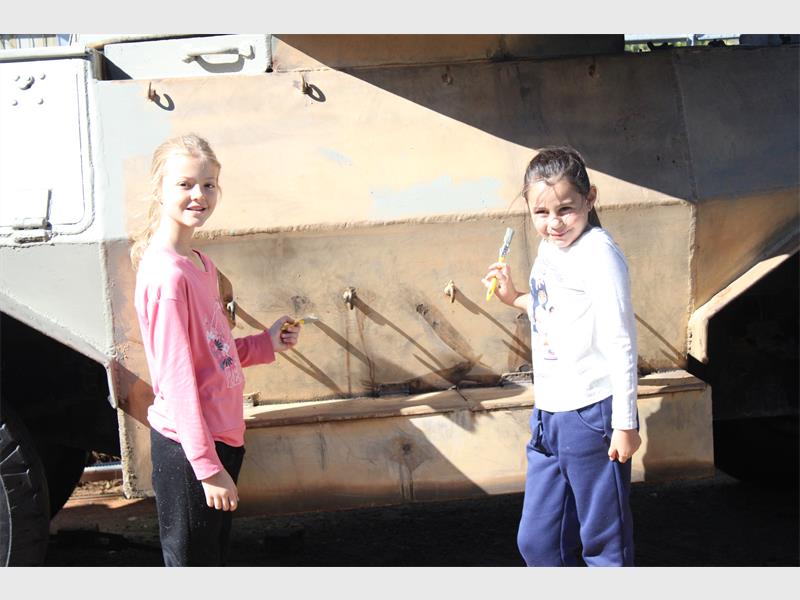
“Let us continue to unite in preserving our heritage, supporting our youth, and building pride in where we come from. This is how we keep our history alive for future generations,” he said.
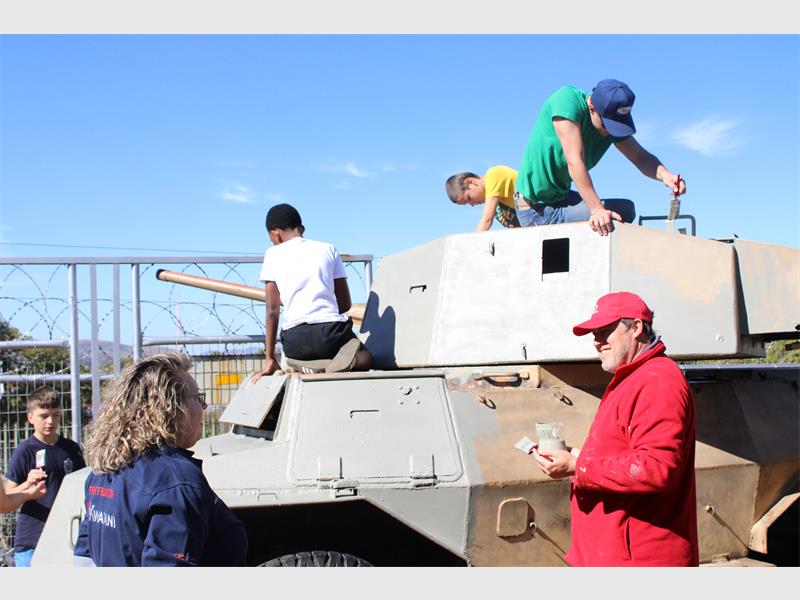
By mid-afternoon, the restoration work had been completed successfully.
Learners were treated to boerewors rolls and cold drinks.