Ratanda residents forced to rely on burst pipe and boreholes
Although Lesedi Local Municipality says water has been restored to the system, many residents in Ratanda's Extension 23 and Obed Nkosi are still without running water. Families say they are relying on a burst pipe and boreholes for their daily needs while raising concerns about sanitation, hygiene and potential health risks.
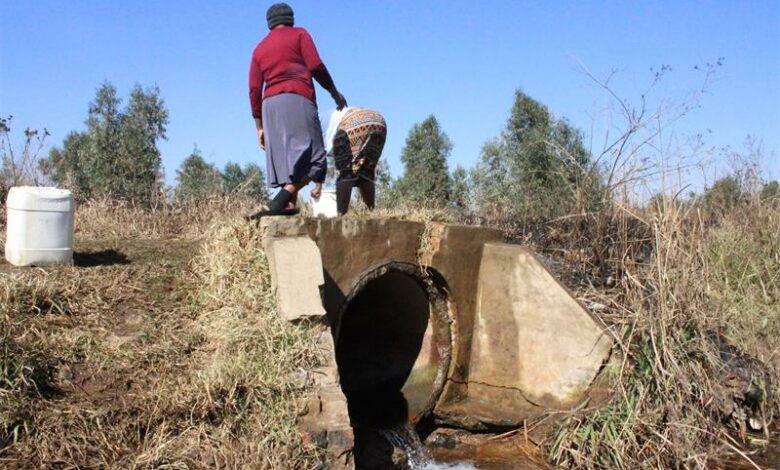
Despite assurances that water supply has been restored to the Lesedi Local Municipality system, some residents in Ext 23 and Obed Nkosi, Ratanda, say they are still without running water.
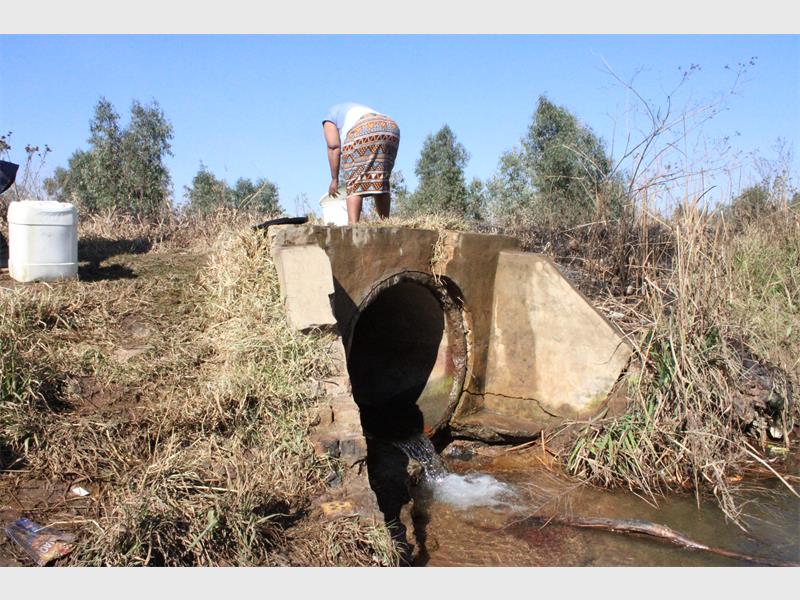
They are relying on a burst pipe and nearby boreholes to meet their daily needs.
The Heidelberg Nigel Heraut visited the affected areas on July 6, where residents were seen collecting water in buckets and containers while waiting for taps to run again.
The latest development follows days of unrest in Ratanda over the prolonged water crisis.
Violent protests erupted during which the home of Lesedi Local Municipality Executive Mayor Mluleki Nkosi was allegedly set alight.
Gauteng Premier Panyaza Lesufi visited Ratanda on July 5, where he condemned the violence, met with community leaders and announced that Rand Water had granted the municipality a two-week grace period to settle its outstanding debt.
Nkosi also confirmed that water had been restored to the system following engagements involving the Minister of Water and Sanitation, the Gauteng Premier, the Gauteng MEC and Rand Water.
However, he cautioned that it could take several days for reservoirs to refill before water reaches every household and said water tankers would continue servicing affected communities in the meantime.
For many residents, however, the wait continues.
Noxolo Sibiya “We have gone for days without water, and life has become extremely difficult. We cannot flush our toilets, wash our clothes or even clean our homes properly. Some of us have young children and elderly family members, and living like this is becoming a serious health risk,” she said.
Zakhele Dlala said the lack of water has forced families to rely on unsafe sources.
“We are collecting water from a burst pipe and boreholes because we have no other option. We don’t even know if the water is safe to use every day, but we need it for cooking, washing and bathing. We are worried that people, especially children, could become sick if this situation continues,” he said.
Thoko Tshabalala said overflowing toilets and poor sanitation were becoming a growing concern.
“Without water, our toilets cannot be flushed, and maintaining proper hygiene is almost impossible. This is not just an inconvenience; it is a public health concern. We need water so that we can live with dignity and protect our families from disease,” he said.
Dudu Mbele urged the municipality to ensure that all areas receive water as soon as possible.
“We understand that reservoirs need time to fill, but we ask the municipality to keep communicating with residents and make sure water tankers reach every affected community. We simply want our water supply restored so that life can return to normal,” she said.
ALSO READ: Ratanda family demands answers after 23-year-old dies during service delivery protest