Sedibeng Volleyball Association launches second league with exciting matches
The Sedibeng Volleyball Association’s second league has kicked off at Khanya Lesedi Secondary School, showcasing young talent, competitive matches and a growing passion for the sport
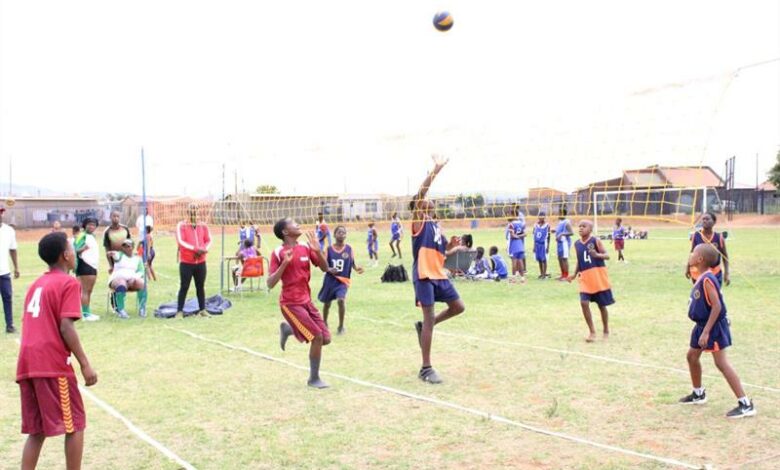
The Sedibeng Volleyball Association has recently launched its second league at Khanya Lesedi Secondary School, drawing teams from across the region in a bid to develop and promote local talent.
More than 7 teams are participating in the league, which aims to nurture young players and prepare them to compete at the provincial and national levels.
According to media liaison officer Zenzile Joseph Manzi, the initiative plays a vital role in building the future of the sport.
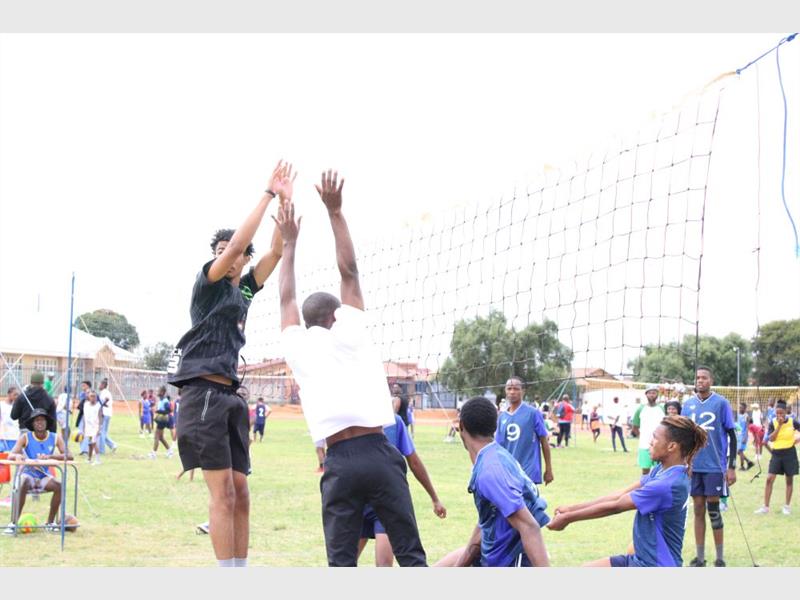
“The main purpose of the league is to encourage and inspire young players to compete at provincial and national levels. We want to create opportunities for them to grow, gain confidence and eventually represent the region at higher levels of competition. We host games every third week of the month to ensure consistency and development. This also helps players stay active, improve their performance and build strong team dynamics over time,” he said.
The opening fixtures delivered a series of competitive encounters in both the U15 boys and senior men’s divisions. In the U15 division, Diarora emerged as one of the standout teams, securing multiple victories, including wins over Siyanqoba, Setlabotjha, Bertha Gcowa and Evaton Brilliant Stars. Bertha Gcowa also put in a strong performance, recording wins against Sakhile, Evaton Brilliant Stars and Phamehlo.
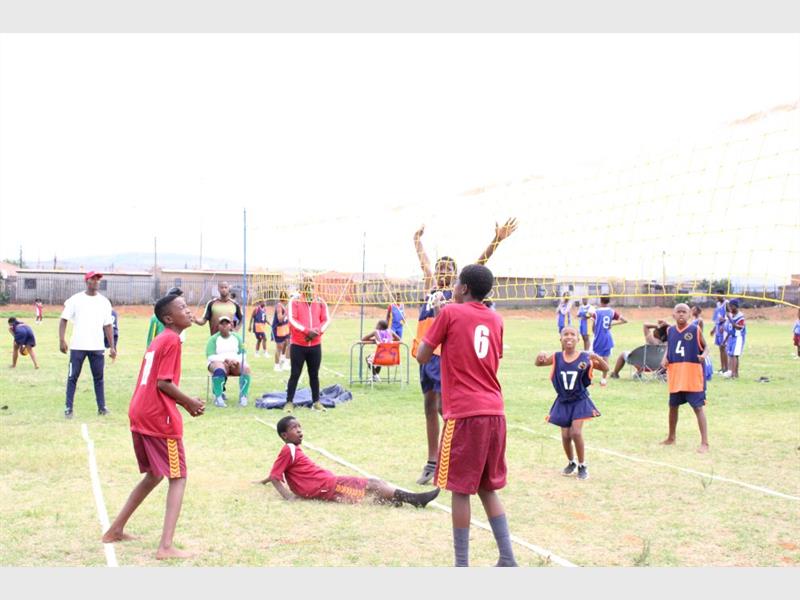
Other notable results saw Phamehlo defeat Sakhile, while Lethabo edged Phamehlo in a closely contested match. In the senior men’s division, VUT 1 dominated their fixtures, beating Valencia 2–0 before overcoming Meyerton 2–1 in a tightly fought encounter. Meyerton also secured a win against South Giants, while Valencia bounced back to defeat South Giants 2–0.
Manzi added that the association continues to face several challenges that could hinder the league’s growth.
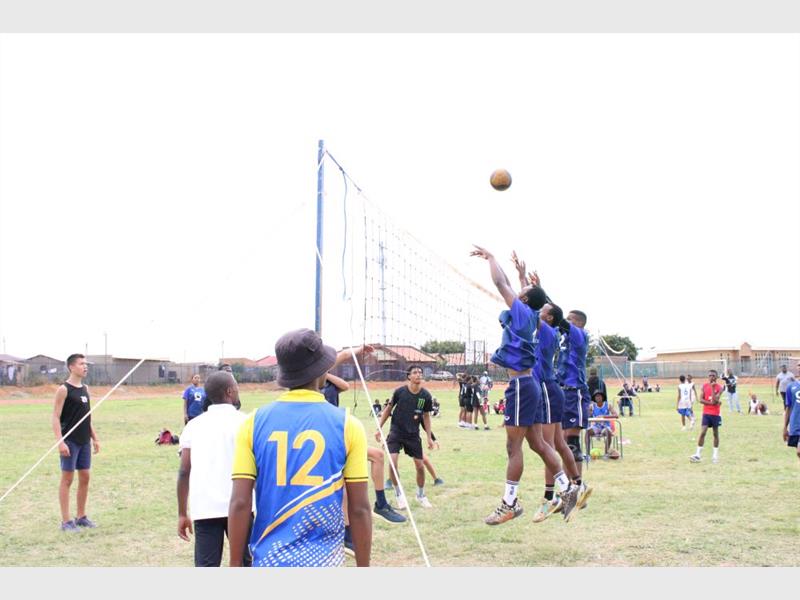
“One of our biggest challenges is the need for qualified referees, as this affects the quality and fairness of the games. In addition, some of our teams still do not have proper kits and enough balls, which makes it difficult for them to compete at their best. We also require support in securing proper facilities. Having access to suitable venues will not only improve the standard of the matches but also attract more teams and sponsors, which will help the league grow and become more sustainable in the long term,” he said.