Ekurhuleni quadriplegic conquers Robben Island open-water swim
“Life is what you make of it. Don’t let disability hold you back. You’ll regret it if you do,” - Mark Whittington.
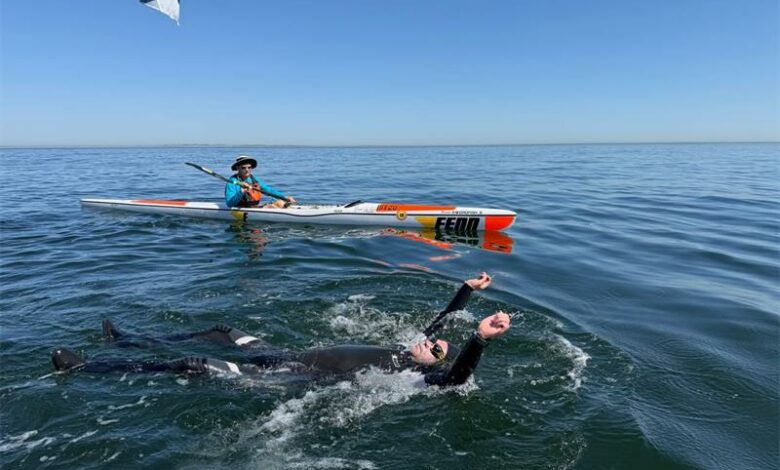
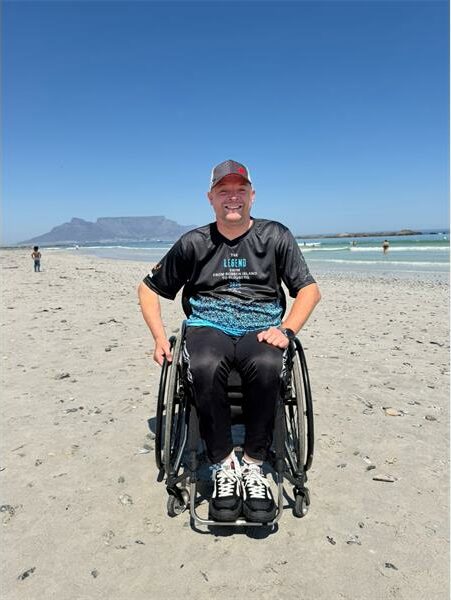
Ekurhuleni Quadriplegic athlete Mark Whittington, turned what many would see as impossible into a moment of triumph, completing the gruelling 7.4km Robben Island Crossing from the famous island to Cape Town in a display of resilience, courage and sheer determination.
For Whittington, a C6 quadriplegic, the achievement was about far more than just distance. It was a deeply emotional journey.
“It’s been an amazing experience, so many different emotions – fear, excitement, even disbelief. At times, it all felt surreal,” he said.
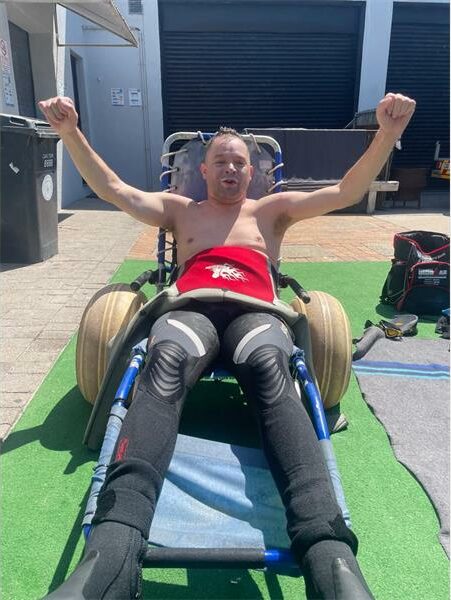
To conquer one of South Africa’s most iconic open-water swims, Whittington committed to 18 months of intense preparation, combining early morning gym sessions with long-distance dam swims on weekends.
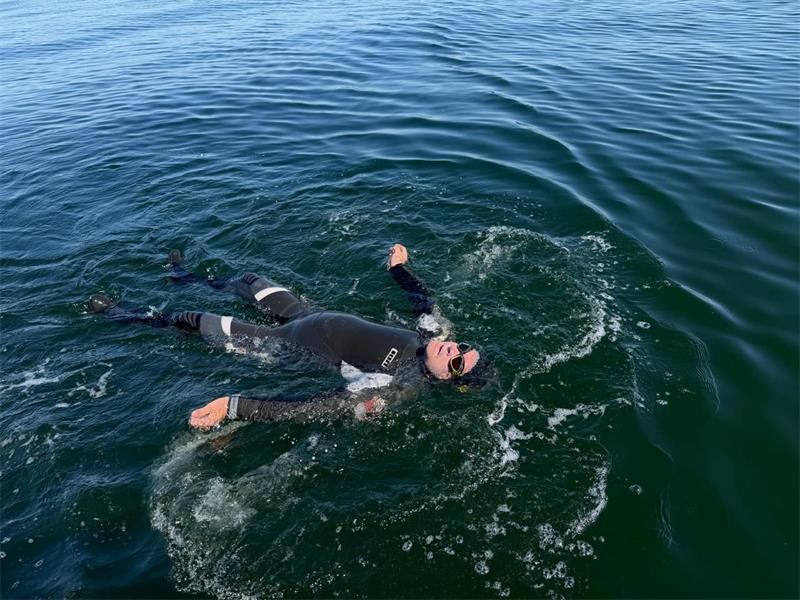
Though the swim presented unique challenges for the local, the limited use of his arms and paralysed biceps meant he couldn’t swim in a conventional position, he still forged ahead.
“Being a quadriplegic makes things very difficult, especially in the water. I have to swim on my back because I can’t lift my head if I’m on my stomach. I only have the use of my arms, and even then it’s about 50%, my biceps work, but my triceps are paralysed.”
The crossing is the latest chapter in a story of defiance following his life-changing accident. A former Ironman athlete, Whittington refused to let his circumstances define him.
“Not long after my accident, I entered the New York Marathon on a hand cycle. I needed to prove to myself that I could still do the things I used to do,” he explained.
He has since completed two New York Marathons, but says the hunger for new challenges remains.
“I’m always thinking about what the next goal is. I have a few ideas, but I’m not 100% sure yet.”
The Robben Island Crossing itself required patience and precision, with months of monitoring weather and sea conditions before a narrow window finally opened.
“We had been tracking the conditions for months. Every time there was a chance, something would change – the wind, the temperature. Then the Saturday before the swim, I got the call that everything had aligned.”
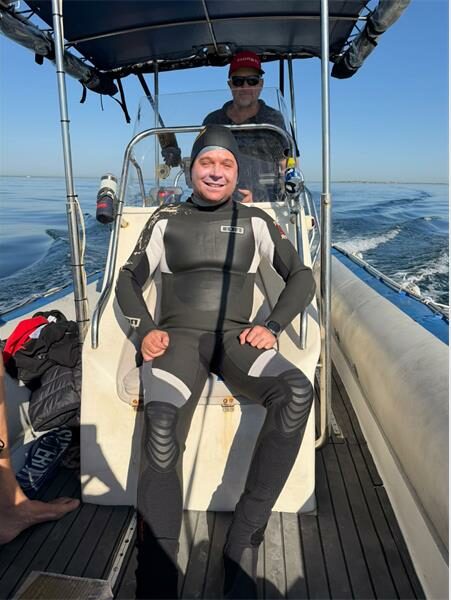
With water temperatures at 17°C and unusually calm seas, conditions were near perfect, but the risk of hypothermia loomed.
“My biggest concern wasn’t sharks or rough water, it was the cold. I can’t regulate my body temperature, so hypothermia was a real risk,” he said.
A carefully managed support plan, including hot soup, warm tea and maintaining a steady pace, ensured he stayed safe throughout the crossing.
Beyond the physical feat, Whittington hopes his journey inspires others to rethink limitations.
“Life is what you make of it. Don’t let disability hold you back. You’ll regret it if you do,” he said.
Whittington, husband to ultra-distance runner Lezette, concluded with a perspective that has stayed with him since his accident.
“People wonder how I stay positive even though I’ve lost the use of my legs. I wonder how they can be so negative when they still have the use of theirs.”