Mayor, MMC or councillor: Understanding who does what in Msukaligwa
Understanding the different roles in local government can help residents know where responsibility lies when municipal issues arise.
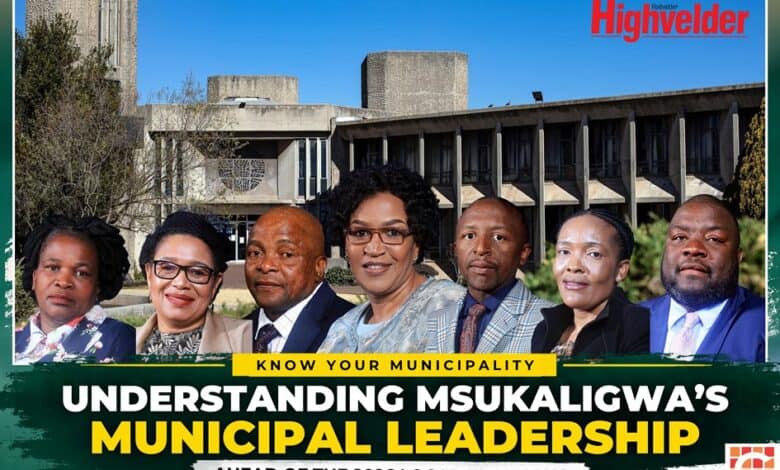
ERMELO – You may know which ward you live in and who represents it, but do you know the difference between the executive mayor, an MMC, the speaker and your ward councillor?
Following Highvelder’s recent guide to Msukaligwa’s 19 wards, the next instalment of our Know your municipality series looks at the people and structures responsible for political leadership and representation in the municipality – and what their respective roles actually entail.
Municipal government is not run by the mayor alone.
Responsibilities are divided between the municipal council, executive political structures and the municipal administration.
What does Msukaligwa’s executive mayor do?
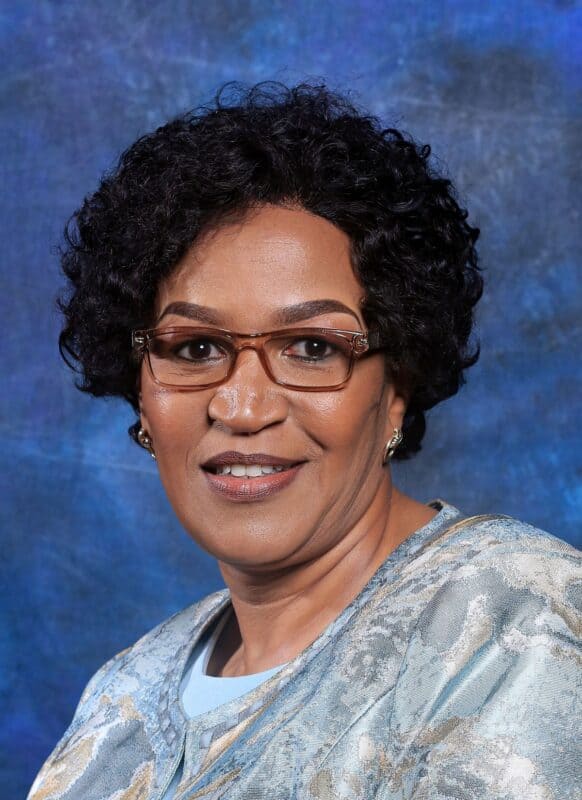
Msukaligwa Local Municipality’s executive mayor is Alderwoman Mapulane Precious Nkosi.
The executive mayor chairs the Mayoral Committee and provides political executive leadership in the municipality.
The executive mayor’s responsibilities include monitoring the management of the municipal administration, overseeing the sustainable provision of services and evaluating the municipality’s performance.
The mayor also identifies and prioritises municipal needs and makes recommendations to council on strategies, programmes and services to address them through processes such as the Integrated Development Plan (IDP).
This does not mean the mayor personally makes every municipal decision or runs municipal departments.
The Mayoral Committee assists with decisions, proposals and plans, while matters requiring approval by the full municipal council ultimately go before council.
Who are Msukaligwa’s MMCs?
Members of the Mayoral Committee, commonly referred to as MMCs, assist the executive mayor and are assigned particular portfolios.
These portfolios represent different areas of political responsibility within the municipality.
An MMC provides political oversight of a portfolio rather than personally carrying out the day-to-day work of the relevant municipal department.
Msukaligwa currently lists five Mayoral Committee portfolios:
Planning and Economic Development: Cllr Bongani Gladwell Motha
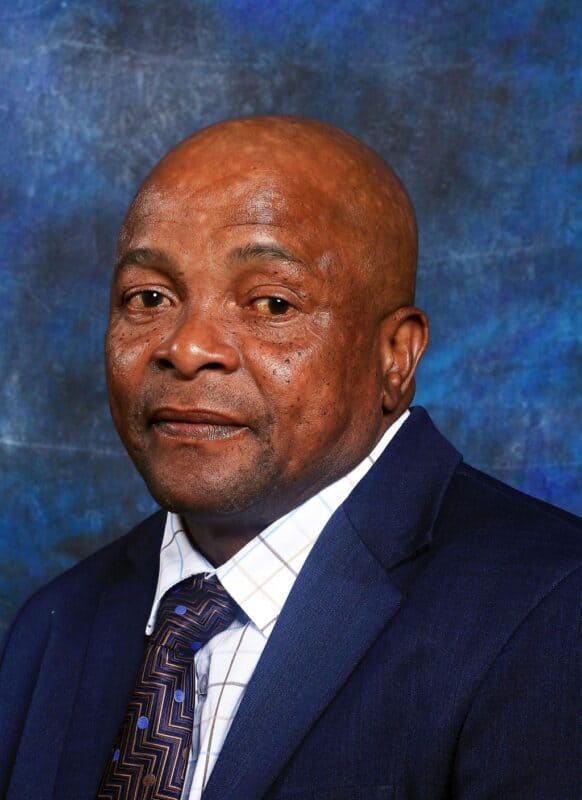
Finance: Alderwoman Cynthia Elizabeth Msezane
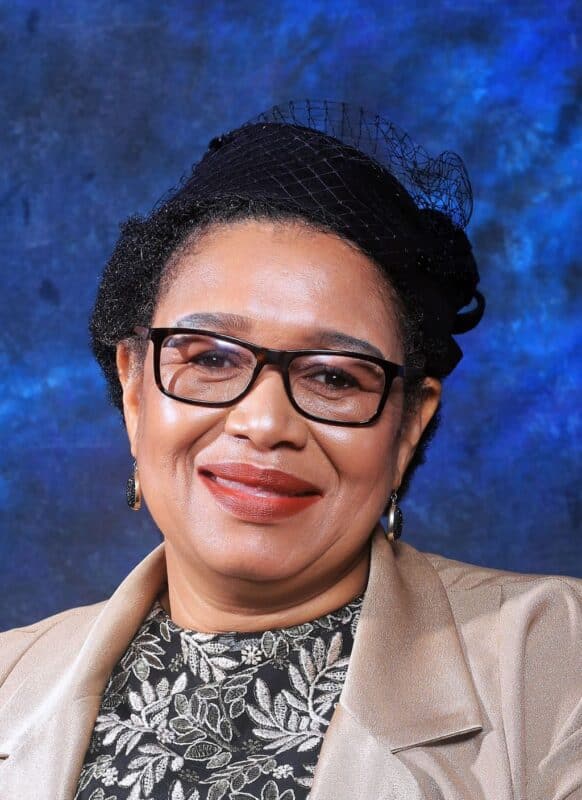
Community and Social Services: Cllr Sphiwe Ernest Ngovene
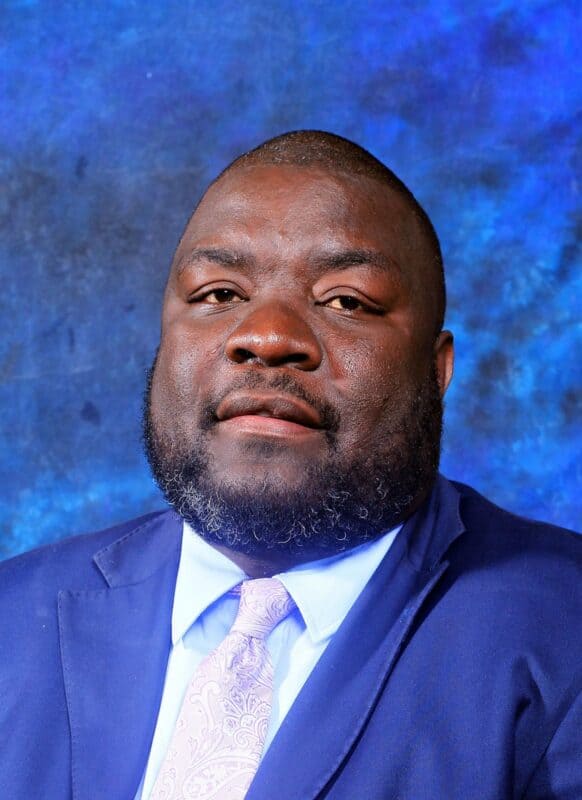
Corporate Services: Cllr Thulani Joshua Madlala
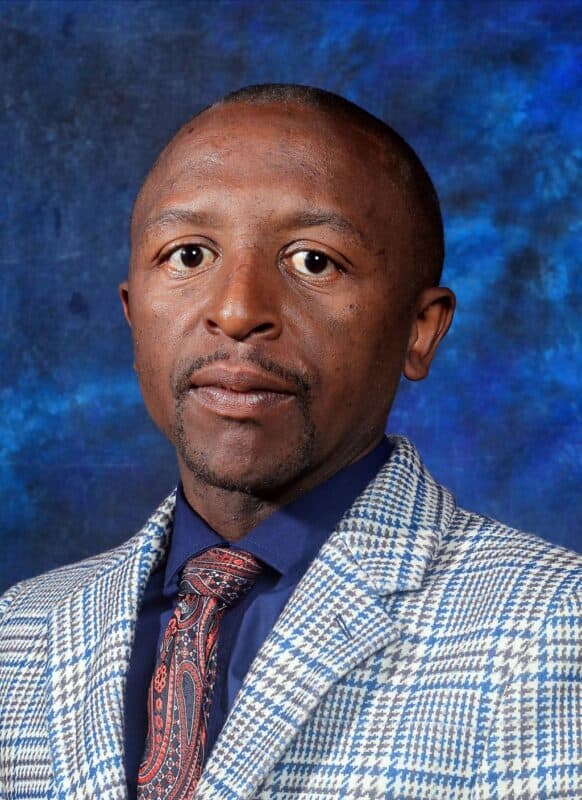
Technical Services: Cllr Thenjiwe Cathrine Motha
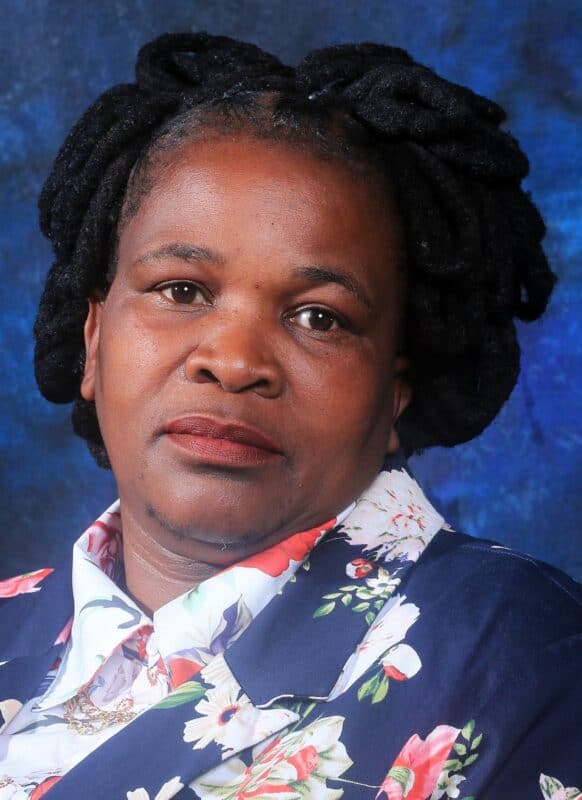
The division of portfolios is important because municipal matters do not all fall under the same area of political oversight.
A matter relating to Technical Services, for example, is different from one concerning municipal finances or community services.
What do the Speaker of Council do?
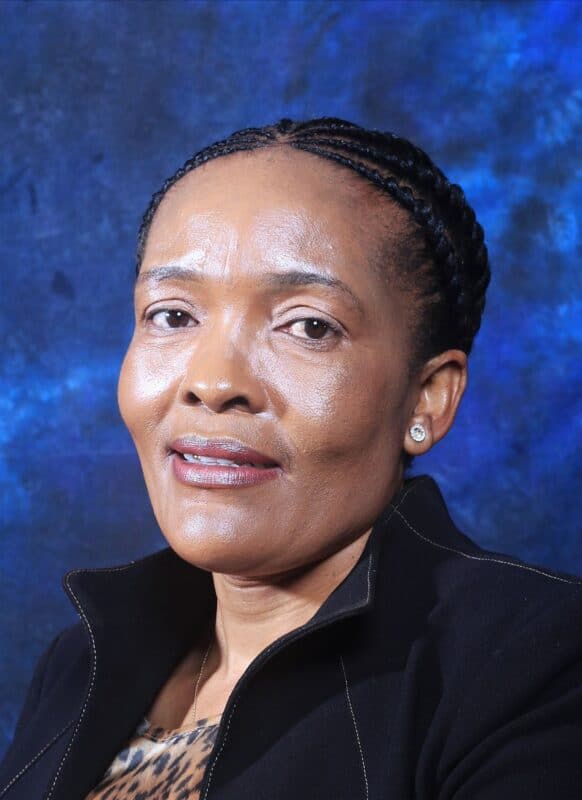
The Speaker of Msukaligwa Municipal Council is Cllr Ntombifuthi Sarah Xaba.
While the executive mayor heads the municipality’s political executive, the speaker presides over meetings of the municipal council.
The speaker is responsible for maintaining order during council meetings, ensuring meetings comply with council rules, overseeing compliance with the councillor Code of Conduct and ensuring that council meets at least quarterly.
The Speaker also has an oversight role in ensuring the municipality’s legislative authority functions effectively.
The executive mayor and speaker therefore perform distinct roles within the municipality.
What does the Whip of Council do?
Msukaligwa identifies Cllr Pretty Thabile Sibeko as the Whip of Council.
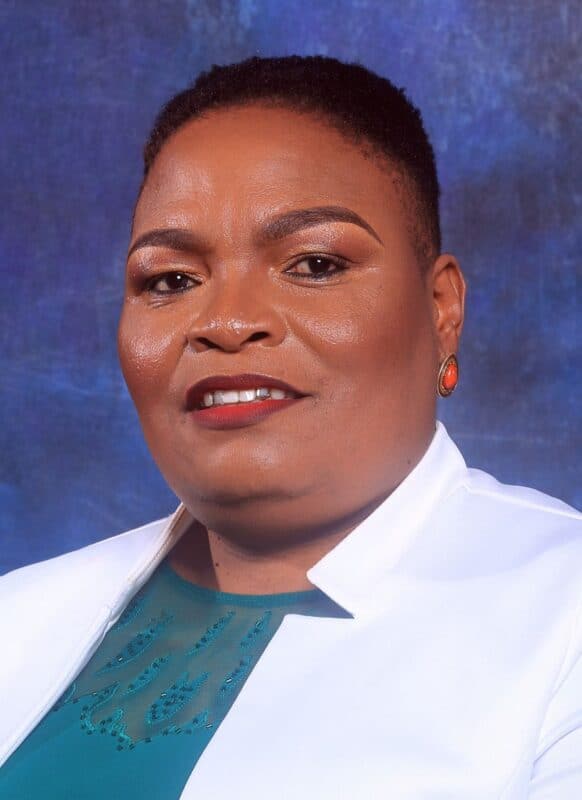
The whip’s responsibilities include liaising with political parties to ensure representation on council and its committees, maintaining relations among the different parties and informing party whips about important matters appearing on the council agenda.
The whip also assists the speaker with counting votes during council meetings and helps facilitate interaction between the municipality’s executive and legislative oversight structures.
Ward councillors and PR councillors explained
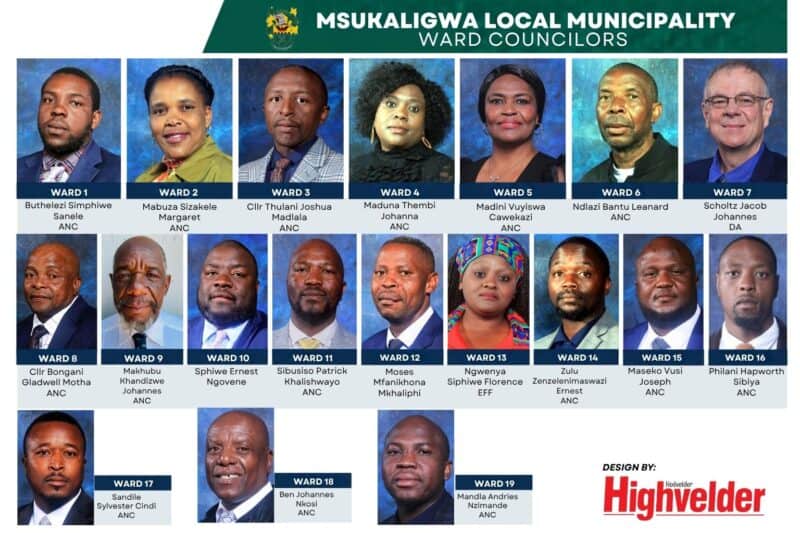
Msukaligwa is divided into 19 wards, with each ward represented by a ward councillor.
Unlike an MMC portfolio, which deals with a particular area of municipal government, a ward councillor represents residents within a defined geographical area.
Ward councillors also chair their respective ward committees.
Ward committees provide a channel through which communities can raise matters affecting their areas and participate in municipal processes.
They can make recommendations on matters affecting a ward through the ward councillor and municipal structures.
They also play a role in community participation in processes such as the IDP and municipal budget.
Ward committees are, however, advisory structures.
They do not run municipal departments or have the authority themselves to order municipal work to be carried out.
Not every councillor represents one of Msukaligwa’s 19 geographical wards.
The municipal council also includes proportional representation (PR) councillors.
PR councillors enter council through the proportional representation component of local government elections rather than being elected to represent one particular geographical ward.
They are nevertheless members of the municipal council and participate in its governance and decision-making processes.
Councillors and municipal officials have different jobs
One of the most important distinctions for residents is the difference between political office-bearers and municipal employees.
The executive mayor, MMCs and councillors form part of the municipality’s political governance structure.
Their functions include political leadership, representation, decision-making and oversight within their respective responsibilities.
Municipal officials form the administrative side of local government and are responsible for carrying out the municipality’s administrative and operational functions.
This means reporting a problem to a ward councillor does not mean the councillor personally dispatches a municipal team or carries out repairs.
The councillor’s role centres on representation, communication and political oversight, while municipal officials and departments carry out operational municipal functions.
Understanding this distinction can help residents direct their concerns to the appropriate structures and better understand where responsibility lies.
A matter affecting a particular neighbourhood can be raised through the ward councillor and ward committee, while broader questions concerning a municipal portfolio may involve the relevant MMC.
The speaker, meanwhile, has a different role relating to council proceedings, oversight and councillor conduct.
Understanding who does what is also an important part of holding local government accountable: residents first need to know who is responsible for what.
Highvelder’s Know your municipality series aims to help residents better understand the structures, responsibilities and processes of local government ahead of the 2026 municipal elections.