Puff Adder: Upper Highway hikers beware
They have a potent cytotoxic venom, which causes excruciating pain, massive swelling, and terrible tissue damage and necrosis.
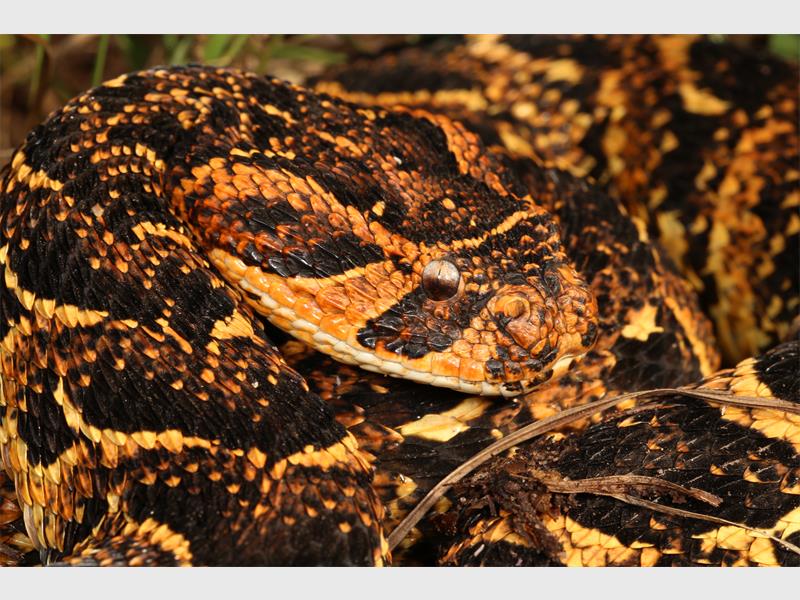
PUFF Adders are heavily-built, stocky snakes and adults can grow to almost a metre long. They’re often referred to as being short and fat, and yes they can look short and stubby, but they aren’t actually fat. They’re actually quite muscular and powerful.
What does it look like?
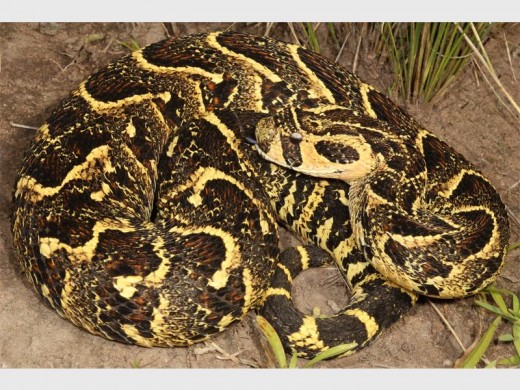
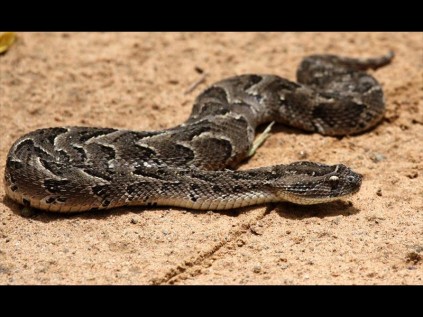
They’re usually yellow and black in colour, although their colour varies across the country. They have chevron/arrow patterns going down the length of their body.
These colours and patterns allow them to blend into dry grass perfectly. They also have a large, rounded head. So they do look quite different to the more commonly seen Night Adder.
Night Adders are usually grey or brown in colour, with dark diamond/pentagon-shaped markings running down the body, and a much smaller, slender head.
Puff Adders can move in a caterpillar like motion, which looks fascinating and they can move surprisingly quickly, contrary to popular belief.
Are they widespread in the Highway area?
No. Their preferred habitat, grasslands and savannas, have mostly been wiped out. They are more often found and seen in the Upper Highway area (Summerveld, Assagay, Crestholme etc), where the habitat is more suitable.
How bad is the bite?
It is a well-known fact that Puff Adders are highly venomous. They have a potent cytotoxic venom, which causes excruciating pain, massive swelling, and terrible tissue damage and necrosis.
Not a pleasant experience, or thought. Fatalities are rare, but permanent damage isn’t. Should someone be bitten, prompt hospitalisation will be required.
A hiker’s nightmare
The Puff Adder is every hiker’s worst nightmare, especially in the Drakensberg (where they are common), as these snakes are thought to strike without hesitating, which isn’t exactly true.
Puff Adders often lie on or next to pathways and bask. By doing so, they’re in the perfect ambush position, and they wait for rodents to run past on the pathway. Because of this behaviour, bites do unfortunately happen. It is mostly, an unavoidable accident. These snakes do not lie in wait for us, and they do not want to bite us.
In fact, research has shown that more often than not, a Puff Adder will remain motionless if trodden on, rather than striking every time something/someone stands next to them. So they’re not quite as vicious as they are made out to be. And also, the chances of being bitten while out walking are slim. How many of your friends have been bitten by a Puff Adder (or any snake) while out hiking?
To be safe, always wear proper hiking boots when out in the bush, to protect your ankles. Long pants would also be beneficial (although I myself don’t wear long pants when in the bush, and don’t even own one pair of longs).
If you happen to hear a loud hissing/puffing sound, it could well be a Puff Adder. This defensive sound is where they get their name from. Should this sound be coming from near your feet, try to keep still, and then make very slow movements.
If it feels threatened, and that you’re too close for comfort, it will probably move off, hopefully without striking in defence.
What do they eat?
Mainly rats and toads, but they will also take lizards and even birds.
Live-bearers
Puff Adders give birth to live young (ovoviviparous). Most adders do, as do some other species, but generally snakes lay soft, leathery eggs.
Female Puff Adders can give birth to 20-40 young, but outstandingly, the record is 156. That’s a lot of venomous babies.
Do you want to receive news alerts via WhatsApp? Send us a WhatsApp message (not an sms) with your name and surname (ONLY) to 060 532 5409.
You can also join the conversation on Facebook, Twitter and Instagram.