Cowies Hill resident has a solution for soil erosion
Graeme Dicks has planted vetiver grass after his bank was washed away during the July floods.
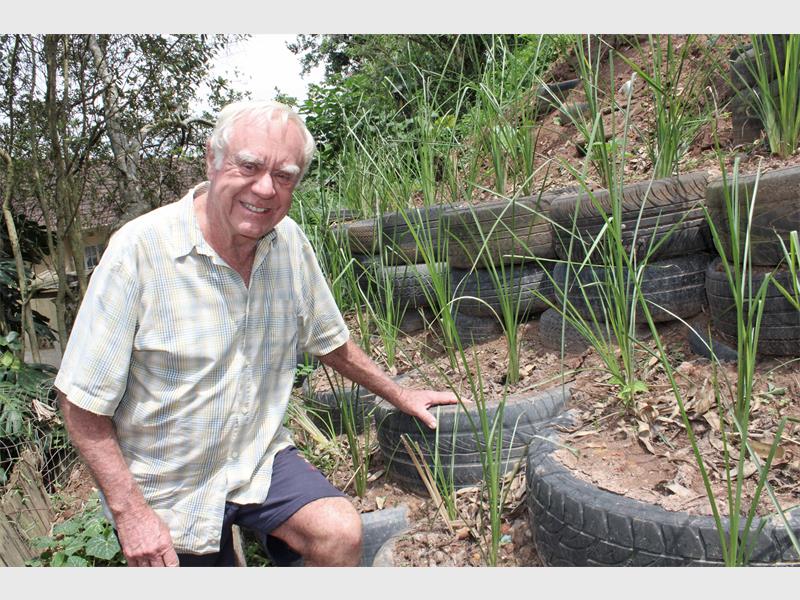
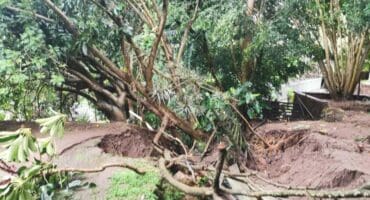
A COWIES Hill resident has advised people to plant vetiver grass to reduce soil erosion. This comes after he witnessed 200 tons of his bank being washed away during the horrific July floods, which claimed hundreds of lives and left thousands of people homeless.
According to Graeme Dicks, the grass is used in more than a 100 countries, and it is a natural erosion-control solution.
ALSO READ: Damage to KZN companies estimated at R7bn after floods
When their bank was washed away, Dicks said they lost many trees, including avocado trees, which they’d had for years, as they have resided in the same house for the past 50 years.
“Many homeowners have not fixed their yards due to financial constraints. This grass is affordable and does not need any special techniques to plant or look after; home owners can plant it themselves,” he said.
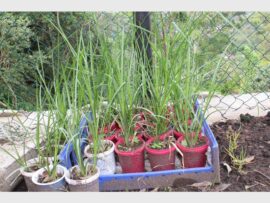
According to Dicks, vetiver is a native of India, mostly planted along the rivers to avoid flooding.
He said he was informed of this grass by his family in the Midlands who planted it many years ago.
“It has worked wonders for them, and it is much more cost-effective. I just thought by sharing this information, many people will get assistance, and this is the best time to plant as there is heat and rain,” said Dicks.
ALSO READ: Field’s Hill erosion raises safety concerns
He also mentioned that this tough grass only grows a metre high.
The Highway Mail spoke to Ayanda Goba from the Department of Agriculture, Land Reform and Rural Development who said vetiver grass is widely used as a low-cost technology for soil and water conservation when compared with other soil-conservation technologies. It is useful on and off farmland, for water-sources stabilisation and remediation of polluted soils, as well as for enhancing water quality for irrigation purposes.
Regarding invasive status, Goba said, according to his knowledge, vetiver is not listed as an invader with the Conservation of Agricultural Resources Act (CARA), Act 43 of 1983.
For more from the Highway Mail, follow us on Facebook or Twitter. You can also follow us on Instagram.