
SPCA urges responsible pet adoption, not impulse decisions
The SPCA is urging would-be pet owners to adopt responsibly, highlighting that commitment matters as much as compassion.
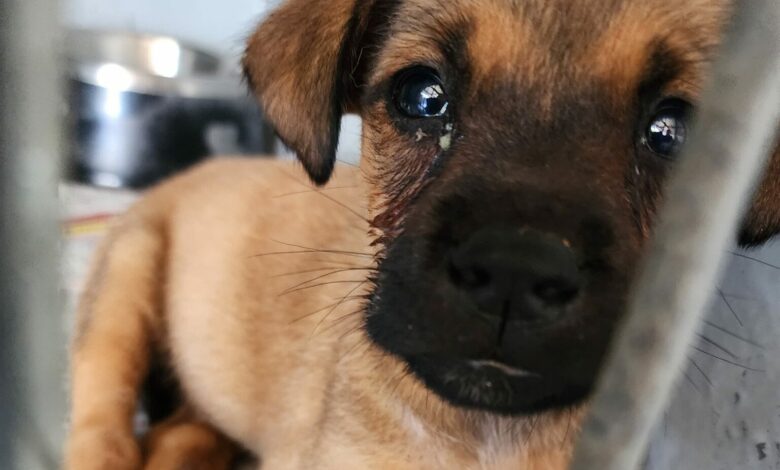
THE Kloof and Highway SPCA has emphasised that while adoption is an act of compassion, responsible adoption is an act of love.
Kloof SPCA manager Barbara Patrick said every animal in a shelter or rescue has already experienced loss.
“Many have lost homes, families, trust, and a sense of safety. Adoption does not simply save a life; it begins a new chapter in that animal’s story, one that must be built on preparation, honesty, patience, and understanding.”
Also read: Love, law and the promise of forever
Responsible adoption starts with understanding why an animal is in a rescue organisation.
What happened?
What challenges do they carry?
What support do they need?
Patrick explained that adopting a pet is a long-term commitment and should never be rushed or treated as an impulse decision.
Asking the right questions
The animal rescue shelter encouraged adopters to ask about an animal’s history, even when the answers are difficult.
“Understanding how a pet copes with children, other animals, strangers, loud noises, or being left alone is essential. Equally important is learning what triggers fear or anxiety, and what helps the animal feel safe.
“Prospective adopters are also advised to engage fully in the adoption process, including pre-home checks, meet-and-greets, gradual introductions to family members and existing pets, and structured transitions into the home,” advised Patrick.
She added that these steps are not obstacles.
“They are safeguards designed to protect everyone involved especially the animal.
A home is more than love
Patrick explained that providing a home means more than affection.
“It requires secure fencing, time, consistency, and patience. Trauma does not disappear simply because an animal enters a new home. Responsible ownership also includes adopting pets that are sterilised, vaccinated, and microchipped; being financially prepared for future veterinary care; and committing to ongoing health needs such as annual vaccinations, parasite control, and follow-up checks.”
When these steps are skipped, Patrick emphasised that it is the animals that pay the price.
When adoptions fail, she mentioned that organisations such as theirs are often left supporting both traumatised animals and overwhelmed owners.
Also read: Local author’s book tells journey of healing and forgiveness
“Returned pets frequently experience confusion, grief, and increased emotional damage, making them harder to rehome in the future. Well-intentioned but unprepared adoptions can unintentionally cause further heartbreak for animals that have already endured too much,” said Patrick.
She emphasised that behavioural issues in animals rarely develop without cause.
“Aggression, fear, or anxiety often stem from confinement, lack of training or socialisation, neglect, cruelty, or owners being unable to meet the animal’s physical and emotional needs.
“Anyone rehoming or adopting an animal has a moral obligation to ensure the safety of the pet, the adopting family, existing pets, the wider community, and the staff and volunteers who work closely with animals.”
Protecting the animals
Patrick said rescue organisations do not aim to make adoption difficult; they aim to make it successful.
“They ask adopters to slow down, ask questions, welcome checks, and be honest about lifestyle, finances, and home environments. The right match does more than save a life. It offers peace, stability, and the chance at a true forever home.
“Adopt with your heart but also with responsibility, humility, and respect. Animals in shelters, rescues, and SPCAs have already survived so much. Thoughtful, responsible adoption ensures that the next home they enter will truly be their last.”
For more from the Highway Mail, follow us on Facebook , X and Instagram. You can also check out our videos on our YouTube channel or follow us on TikTok.
Click to subscribe to our newsletter here