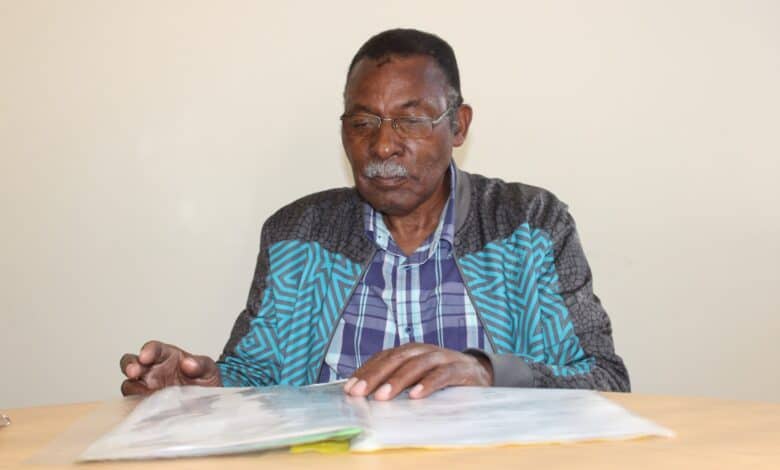
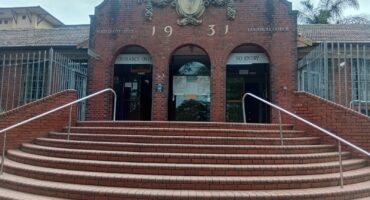
Former teacher, Samuel Louw reflects on his role in the 1976 student uprisings.
AS South Africans commemorated Youth Day yesterday, June 16, former teacher Samuel Louw looked back on a chapter of his life that he believes contributed to the struggle for freedom.
Louw, now a resident of Mariannridge and originally from Cape Town, was just 26 years old when he was teaching woodwork at Hanover Park High School in 1976.
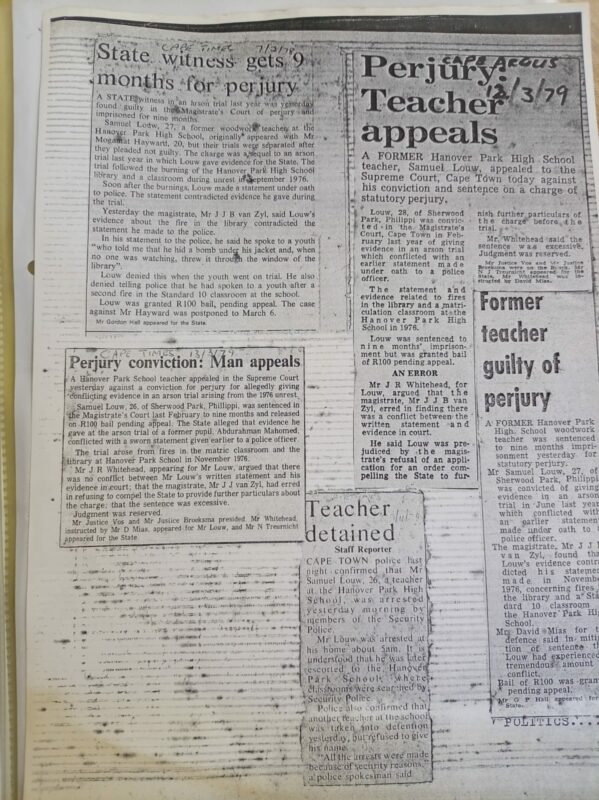
Louw was arrested and charged after a school’s library and classroom were burnt. He was sentenced to nine months’ imprisonment for statutory perjury after a magistrate found that his testimony regarding the fire contradicted a statement he had previously made to police.
As South Africa marked Youth Day on June 16, former teacher Samuel Louw reflected on his role in the 1976 student uprisings, a decision that led to imprisonment but one he believes helped challenge the injustices of apartheid. #youthday#1976#sowetouprising
Louw’s journey into education began after an attempt to follow in his brother’s footsteps as a carpenter.
“In those years, coloured people mostly worked as tradesmen. My brother was a carpenter and I joined him as an apprentice, but I left after three months. I couldn’t handle it. I wanted to become a teacher,” he recalled.
Samuel Louw was convicted of perjury.
After speaking to his high school principal, Louw received assistance in applying for teacher training. He qualified in 1974 and went on to teach woodwork practicals, technical drawing, geography and mathematics.
Looking back, Louw openly admits that he was among the teachers who influenced learners to burn parts of the school during the unrest.
Asked why he encouraged such action, he said it was a desperate response to an unjust system.
“Damaging government property was the only way to get attention,” he explained.
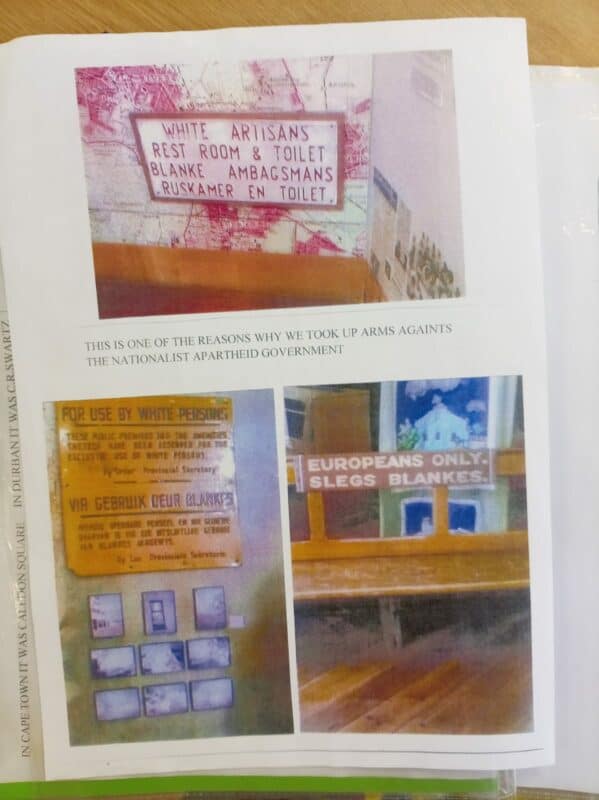
“It was unfair for people to be limited in what they could do and where they could go. We couldn’t even use certain public toilets because they were reserved for a particular group.”
While South Africa has changed dramatically since the end of apartheid, Louw believes many of the ideals fought for during that era have not been fully realised.
“Things did change and opportunities opened up, but I am not happy with the system today. Some leaders do not put the needs of the people first. They have become greedy,” he said.
Despite the personal cost of his involvement in the protests, Louw continued teaching for many years. However, he believes his conviction may have prevented him from advancing professionally.
“The only thing I regret is that I never became a principal,” he said.
“I continued teaching because I loved it. My passion was always to educate young people, and that never changed.”
My name is Sanelisiwe Tsinde, and I'm a mother of two boys and very family-oriented. Being a community journalist for years, I can proudly say I love writing about positive community news articles and giving a voice to the voiceless. Seeing people getting assistance warms my heart. Every day is a different challenge and a new learning opportunity. I supply news for our trusted publication weekly, and a few years ago, Caxton ventured into online publication, so I contribute daily to the websites. I could say I am a multimedia journalist, and working in a community newspaper is beneficial as we do not focus on one thing but we do a bit of everything.