
Kempton Park and Thembisa gardeners shine at Checkers Market Day
“This year's Market Day provided almost 60 local gardeners and co-operatives across the country with the opportunity to sell their fresh produce directly to the public, gain retail experience and strengthen the roots of small businesses that feed their communities.”
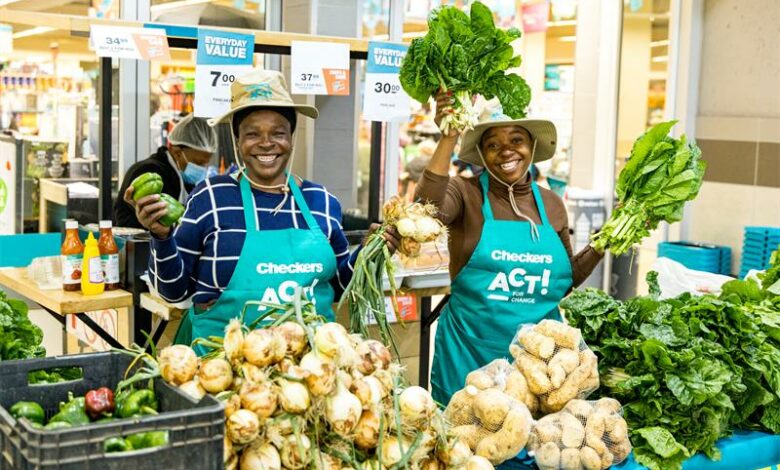
Community gardeners from across Gauteng, including Kempton Park and Thembisa, took centre stage at Checkers Market Day on Thursday, May 28, showcasing and selling fresh produce grown in local gardens as part of a nationwide initiative supporting food security and small-scale farming.
Beetroot, carrots, chillies, herbs and a variety of vegetables were displayed and sold at selected Checkers stores, giving growers a valuable opportunity to connect directly with customers.
This year’s event coincided with World Hunger Day, a global awareness campaign focused on food insecurity and sustainable solutions.
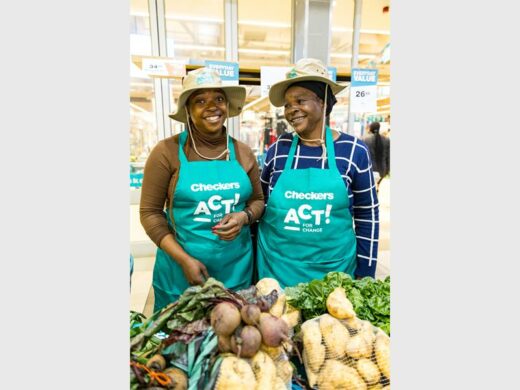
Photo: Supplied.
ALSO READ: Kempton Park Market Day promises food, music and family fun
The initiative forms part of the Shoprite Group’s ongoing support of more than 300 community gardens across southern Africa, aimed at strengthening food security and providing market access to small-scale growers.
In Gauteng, 11 growers participated at various Checkers stores across the province, including the Umthambeka Drop-in Centre garden at Checkers Hyper FX Kempton Park and projects serving communities in Thembisa and surrounding areas.
Participating gardens included a wide range of community-based organisations such as the Vukasechaba Massive Fresh Produce Primary Co-op in Suideroord, Mmakgomo Agricultural Cooperative in Pretoria North, Khula Zonke Urban in Roodepoort, Winnie Mabaso Foundation in Ennerdale, The Hope Park Children’s Health Campus Garden in Noordheuwel, Ubuntu Bee Keepers at The Grove Mall, Light for Revelation Ministries Care Centre in Vereeniging, Basheshebahleka Community Project in Northriding and Plenty Green Africa at Mall of Carnival in Brakpan.
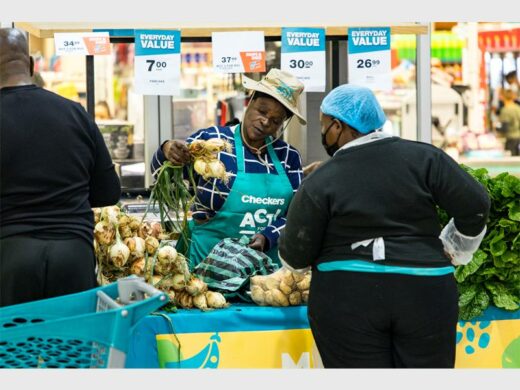
Photo: Supplied.
According to Sanjeev Raghubir, chief sustainability officer at the Shoprite Group, the Market Day initiative provided nearly 60 local gardeners and cooperatives across the country with a platform to sell their produce directly to the public, gain retail experience and strengthen small businesses rooted in their communities.
“Customers stocked up on local peppers, spinach, parsley and many other vegetables and fruits, met the small-scale farmers and learned about their sustainable growing methods and in some instances even purchased seedlings for their own home gardens,” said Raghubir.
ALSO READ: Golden Classics Senior Citizens to Host Ninth Market Day in Norkem Park on March 7
He added that Market Day is about more than sales, but also about building pathways to sustainable food systems.
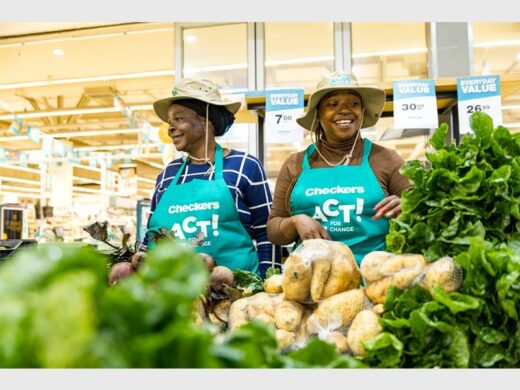
Photo: Supplied.
In Thembisa, the Umthambeka Drop-In Centre food garden, established by a former school principal at Umthambeka Primary School, was created to supplement the school feeding scheme, with surplus produce sold to generate income.
The garden currently benefits more than 140 children and over 60 underprivileged households, with learners also actively involved in its upkeep.
“Market Day shows us that big retail and small-scale farmers don’t have to be separated,” said Witness Tshamano.
“Checkers gave us a platform to market our products and we didn’t just sell vegetables… we built relationships and earned trust.”
The Winnie Mabaso Foundation, a safe house in Finetown, Ennerdale, also took part, using its garden to support a feeding scheme and to distribute food hampers to more than 1 000 elderly women in the community.
ALSO READ: Glen Balad hosts Heritage “Paws in the Mall” Market Day for pet lovers
“It’s a real privilege to sell our crops within such a large business, which has always been our ultimate goal,” said Candise Lenders.
“Connecting with the larger community in this way has been a dream come true and it has helped us to understand what types of produce the market requires.”
Beyond Market Day, the Shoprite Group continues to support community food gardens through its Act For Change programme, which has assisted hundreds of gardens with training, seedlings and infrastructure.
The group has also reached a milestone of supporting more than 300 community gardens across the region.
Raghubir said the initiative continues to highlight the importance of investing in local growers who nourish their communities through dedication and hard work.