
Measles makes a comeback: Worrying surge in new cases in US and SA
Measles is one of the most dangerous of all childhood diseases
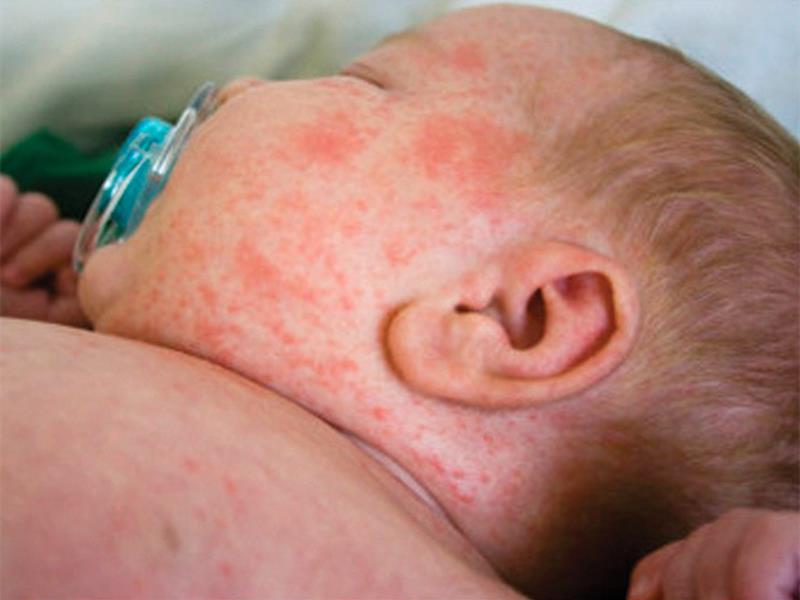
Six hundred and forty-four cases of measles were reported in the United States (US) last year and already 141 cases in 17 states in 2015.
Considering the fact that the US was measles-free for 14 years, these numbers are of great concern.
In South Africa the increase has been less alarming. However, the 66 cases of measles reported in 2014 and in the first month of 2015 are nevertheless a worrying trend, especially when one considers there were only six cases reported in SA in 2013.
The National Institute for Communicable Diseases consequently issued an alert in mid-December last year, which warned clinicians to be on the lookout for measles. South Africa’s last measles outbreak occurred from 2009 to 2011, where 18 000 cases were reported in the three-year period.
Dr Pete Vincent of Netcare Travel Clinics and Medicross Family Medical and Dental Centre, says measles starts with a fever, runny nose, cough, red eyes and a sore throat, followed by a rash that spreads over the body.
“The measles virus is highly contagious and can remain alive outside of the human body for a few hours. It spreads through the air when an infected person coughs or sneezes. The virus is so contagious that if one person has it, 90% of the people around him will also become infected if they have not been protected by a vaccination.”
“Measles is one of the most dangerous of all childhood diseases, as it can lead to encephalitis, pneumonia, croup, lifelong brain damage, deafness and death,” says Vincent. “Babies younger than one year of age, malnourished individuals or people whose immune systems are compromised, are particularly at risk of developing severe complications.”
The only protection against the disease, aside from natural immunity, is the MMR (measles, mumps and rubella) vaccine, which is almost 100% effective in preventing measles.
It is especially important that infants who are six months of age and older and will be travelling internationally should be protected against measles by receiving one dose of the MMR vaccine. Infants who get one dose of the MMR vaccine before their first birthday should get two more doses – one dose at 12 through 15 months of age and another at least 28 days later.
Children 12 months of age and older should receive two doses of MMR vaccine, separated by at least 28 days. Teenagers and adults who have not yet had the measles should get two doses of the MMR vaccine, separated by at least 28 days.
“Vaccines cause the occasional mild adverse reaction in some individuals but they are safe. They also provide protection against some very dangerous diseases – measles being but one.