Buttermoths in the conservation spotlight
Most of our threatened butterflies occur in the grassland and fynbos biomes
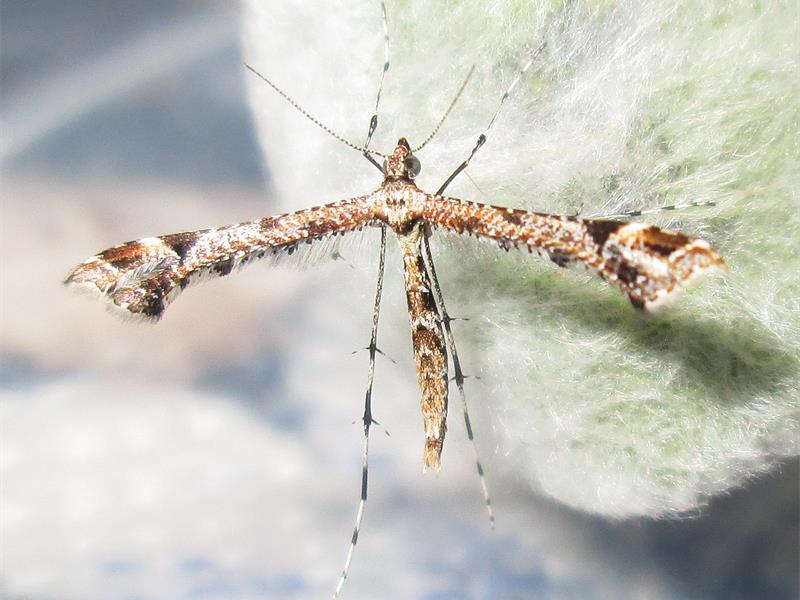
A conservation project aimed at evaluating the conservation priorities of our butterflies and moths (buttermoths) in the southern African region has been launched. Due to the lack of real differences between butterflies and moths, the Lepidopterists’ Society of Africa (LepSoc) has coined the term ‘buttermoths’ to encompass all Lepidoptera.
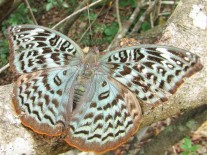
Buttermoths belong to one of the most diverse order of insects, Lepidoptera, with butterflies being the most popular of all insect groups. South Africa has a high diversity of buttermoth species with about 8 500 described for the region.
Of these just about 660 are butterflies. Although moths form over 90% of the Lepidoptera fauna, they have been largely over-looked in conservation studies.
Buttermoths have highly specialised larval host requirements, which therefore impacts on a significant proportion of plant species. Buttermoths are important pollinators, especially for fruit trees, and they are also meaningful indicators of ecosystem health.
It is therefore imperative that they are monitored and conserved.
The Southern African Lepidoptera Conservation Assessment (SALCA) is a two-year project of the Brenton Blue Trust (BBT) and LepSoc. LepSoc has already been involved in the proclamation of at least four conservation areas for specific butterfly species, including the critically endangered Brenton Blue butterfly.
The BBT focuses on ensuring the conservation of the Brenton Blue and works on conserving other endangered butterflies.
Results of the SALCA project will feed into the next national biodiversity assessment conducted by the South African National Biodiversity Institute, mandated by government to regularly report on the status of South Africa’s biodiversity.
SALCA follows on the Southern African Butterfly Conservation Assessment project which was completed a few years ago. This project found that three of our butterflies are extinct and a further 60 species and subspecies are threatened with extinction. Also, half of our butterflies are endemic to the region, i.e. they occur nowhere else in the world.
Most of our threatened butterflies occur in the grassland and fynbos biomes. The main threats to our butterflies are habitat degradation (e.g. invasive alien vegetation) and habitat loss (e.g. urbanisation and agriculture).
SALCA aims to re-evaluate the conservation priorities of all threatened and rare butterfly species in the southern African region, by including new and current data. It will also, for the first time, include new conservation assessments for the region’s moths.
The conservation assessments, based on international standards, will provide baseline information that is needed for conservation planning. This information will help determine the current risk of extinction to our buttermoths. It will identify no-go areas for development, the main threats to our buttermoths, and what conservation actions are urgently required to protect our threatened species.
For more information on SALCA and on how to participate, contact LepSoc (www.lepsoc.org.za).